






The Science of Feeling Full
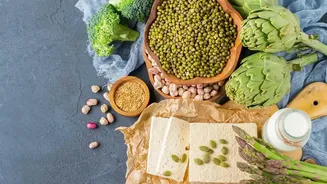
The feeling of fullness, or satiety, is your body's natural way of saying 'I've had enough'. Protein and fibre are macronutrients that excel at promoting this feeling. Protein works by influencing the hormones that control appetite. It helps to increase
the levels of satiety hormones like PYY and GLP-1, which signal to your brain that you are full. Simultaneously, it helps to suppress ghrelin, often called the 'hunger hormone'. Fibre, on the other hand, works more mechanically. Soluble fibre dissolves in water to form a gel-like substance in your digestive tract, which slows down how quickly your stomach empties. This process not only keeps you feeling satisfied for longer but also helps regulate blood sugar levels, preventing the sharp spikes and crashes that can lead to cravings.
Harnessing Protein Power on Your Plate
Integrating more protein into your festive meals doesn't mean you have to skip your favourite dishes. It's about making smart, simple additions. Indian cuisine is rich with excellent protein sources. Think of paneer, which is incredibly versatile, or the wide variety of dals and legumes like chickpeas (chana) and kidney beans (rajma). Even snacks can be protein-packed. A serving of chana chaat, ghugni chaat, or a handful of peanuts can be a satisfying and nutritious choice. When building your plate, make it a point to include a portion of a protein-rich dish first. This could be a serving of dal, a chicken or fish preparation, or a paneer tikka. Starting with protein can help you feel fuller faster, making you less likely to overindulge in other, less-nutritious options.
The Underrated Fibre Factor
Fibre is the unsung hero of digestive health and appetite control. Like protein, it's abundant in traditional Indian diets. Whole grains such as jowar, bajra, and whole wheat are excellent sources of insoluble fibre, which adds bulk and aids digestion. Vegetables are another fantastic source. Dishes made with carrots, peas, beans, and leafy greens like spinach (palak) and fenugreek (methi) are packed with fibre. A simple strategy is to start your festive meal with a colourful salad or a vegetable-based soup. This not only adds a significant amount of fibre but also helps fill you up before you move on to the main course. Swapping refined-flour breads like naan for whole-wheat rotis is another easy way to boost your fibre intake without feeling deprived.
A Kinder Alternative to Crash Dieting
The common approach of 'saving up' calories for a big festive meal often backfires. Arriving at a celebration feeling starved can lead to overeating and feelings of guilt. Restrictive dieting can also slow down your metabolism, as your body enters a 'starvation mode' to conserve energy, which can lead to weight gain once you return to normal eating patterns. Focusing on adding protein and fibre is a more sustainable and mentally healthier approach. It's a strategy of abundance, not deprivation. By prioritising these nutrients, you work with your body's natural hunger cues rather than against them. This allows you to enjoy the special foods of the season mindfully, in moderation, and without the psychological burden of a strict diet.