


Beyond the Goldilocks Zone
For decades, the concept of the habitable zone has been our primary guide in the search for life-sustaining worlds. It’s a simple, elegant idea: a planet needs to be at a distance from its star where liquid water can exist on its surface. Too close, and
water boils away; too far, and it freezes into a permanent icy shell. This concept has been incredibly useful, helping astronomers narrow down which of the thousands of confirmed exoplanets are worthy of a closer look. However, scientists now understand that a planet’s address is only one piece of a very large puzzle. A world can be perfectly placed in this zone and still be a barren, lifeless rock. The true recipe for habitability is far more complex, involving a delicate interplay of factors from the planet’s star to its own core.
The Right Kind of Star
The star a planet orbits plays a huge role. Not all stars are as stable and well-behaved as our Sun. Many common stars, like red dwarfs, are prone to violent flares, blasting their nearby planets with intense radiation. A planet in the habitable zone of such a star could have its atmosphere stripped away, making it impossible to sustain liquid water or protect potential life. The star's mass and age also matter. More massive stars have shorter lifespans, which may not provide the billions of years needed for complex life to evolve. Conversely, smaller, cooler stars have habitable zones that are much closer, which can lead to other complications like tidal locking, where one side of the planet perpetually faces the star.
A Protective Atmosphere
An atmosphere is non-negotiable for habitability as we know it. It acts as a crucial thermal blanket, trapping heat through the greenhouse effect to keep surface temperatures stable and liquid water flowing. Without its atmosphere, Earth's average temperature would plummet to well below freezing. But an atmosphere does much more; it shields the surface from harmful solar and cosmic radiation and can distribute heat from the day side to the night side, preventing extreme temperature swings. The composition is key. A runaway greenhouse effect, like on Venus with its incredibly thick atmosphere, shows that you can have too much of a good thing, leading to surface temperatures hot enough to melt lead.
A Crucial Magnetic Shield
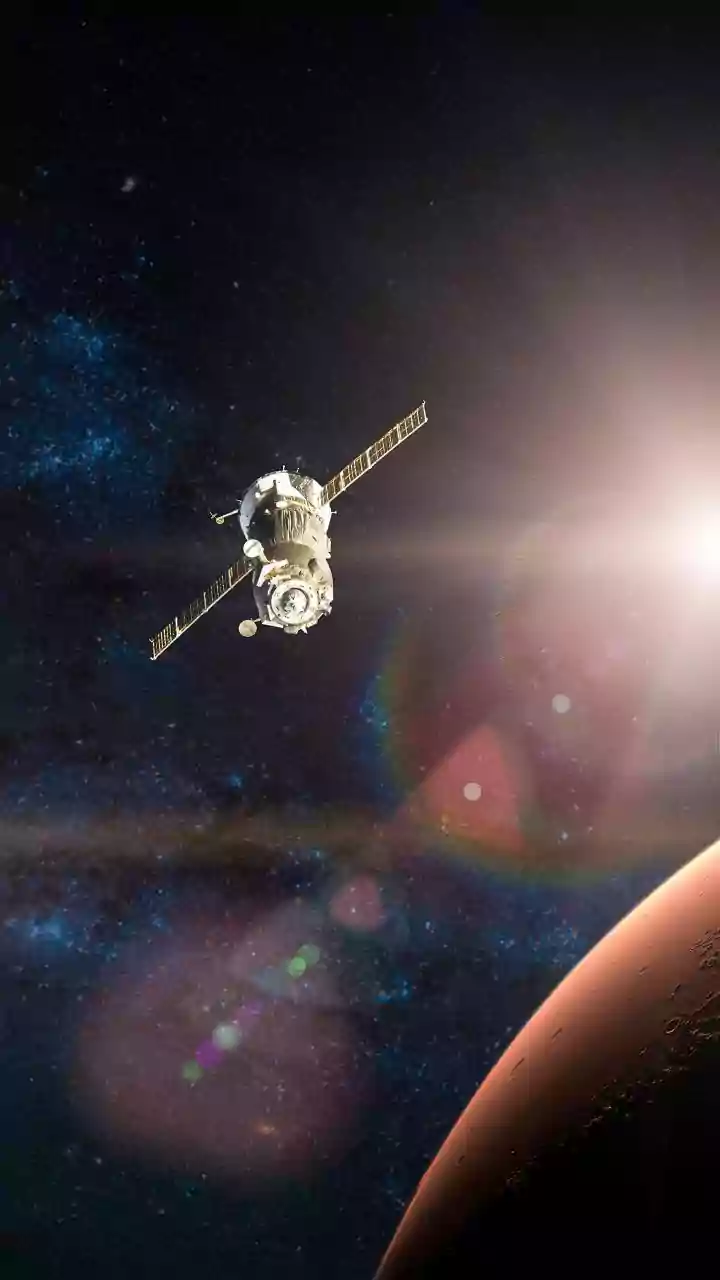
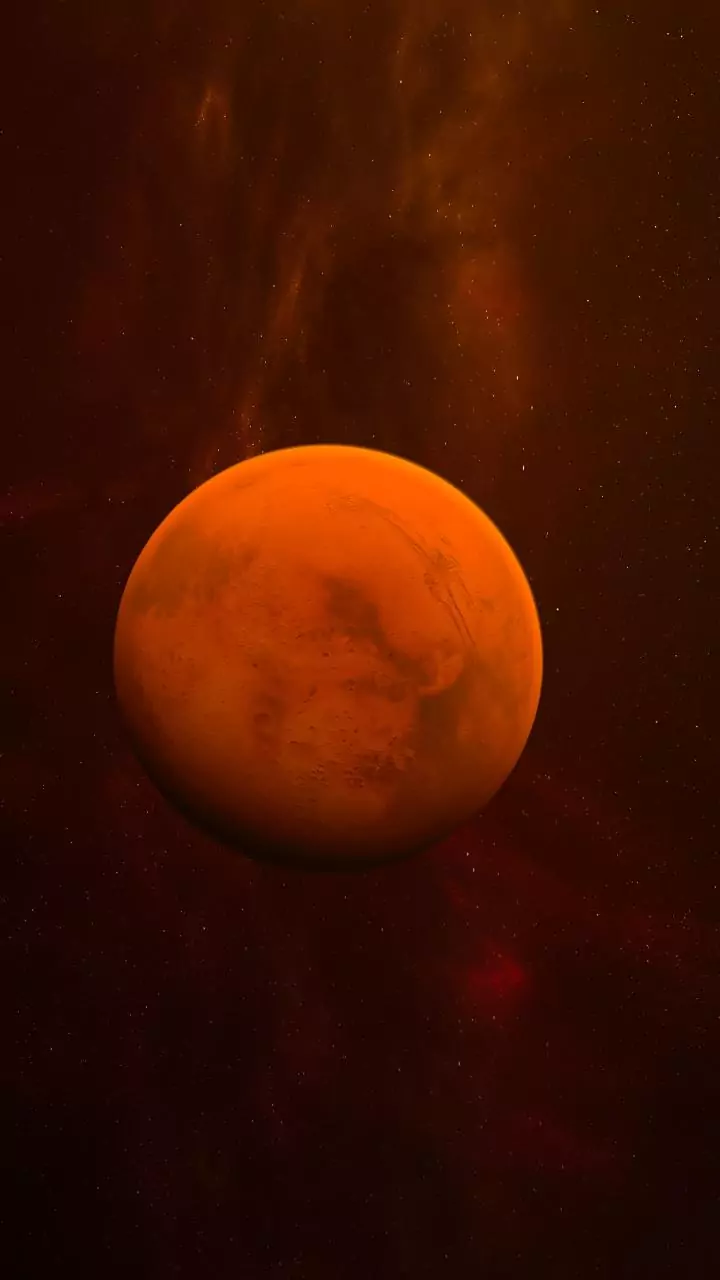
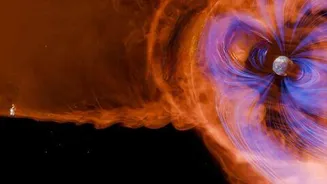
Even with the perfect atmosphere, a planet needs another layer of defence: a global magnetic field. Generated by the movement of a molten iron core, this invisible shield deflects the stellar wind—a constant stream of charged particles from the host star that would otherwise erode the atmosphere over time. Mars is a cautionary tale. It is believed to have once had a thicker atmosphere and liquid water, but after its core cooled and its magnetic field died, the solar wind stripped most of its atmosphere away, leaving it the cold, dry world we see today. A strong magnetic field is therefore considered a vital component for maintaining a habitable environment over geological timescales.
The Importance of What's Inside
What a planet is made of and what happens beneath its surface are just as important as what happens above. A planet’s interior dynamics, such as plate tectonics, play a surprisingly vital role. On Earth, this process is essential for recycling minerals and regulating the climate by cycling carbon between the atmosphere, oceans, and the planet's crust. Volcanic activity, driven by internal heat, releases gases that replenish the atmosphere and delivers essential nutrients to the surface. The planet's overall composition—the ratio of elements like iron, magnesium, and silicon—can determine everything from the size of its core (affecting the magnetic field) to whether plate tectonics can even occur.