




The Direct Hit of Heat Stress
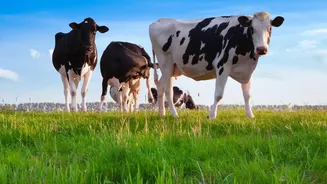
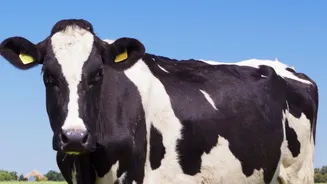
The most immediate impact of rising temperatures is on the animals themselves. Cattle and buffaloes have a comfort zone, and when the Temperature-Humidity Index (THI) climbs, they experience heat stress. This isn't just a matter of discomfort; it directly
affects their biology. Stressed animals eat less, which reduces the nutrients available for milk production. Studies show that extreme temperature variations can cause milk production to drop by 10-30%. This heat also impacts milk quality, lowering the fat and protein content that determines the price farmers receive. Furthermore, prolonged exposure to heat can disrupt reproductive cycles, leading to lower conception rates and affecting the long-term productivity of herds.
A Growing Crisis of Fodder and Water
Climate change also attacks the dairy industry's foundations: feed and water. Erratic rainfall, marked by long droughts and intense floods, disrupts the cultivation of fodder crops. This has led to a significant national deficit in both green and dry fodder, with some reports noting shortfalls as high as 35.6% for green fodder. When local crops fail, farmers are forced to buy feed at inflated prices, sometimes double or triple the usual cost, gutting their profits. At the same time, the water needed to sustain dairy farming—for animals to drink, for cleaning, and to grow feed—is becoming scarcer. Buffaloes, which are particularly vulnerable to heat due to their thick, dark skin and fewer sweat glands, especially suffer from the disappearance of traditional wallowing ponds.
The Economic Toll on Small Farmers
The Indian dairy sector is not built on large corporate farms but on the backs of 80 million smallholder farmers, most of whom own just a handful of animals. These farmers are the most vulnerable to climate-induced shocks. They operate with limited resources and often lack the capital to invest in adaptive technologies like cooling fans or climate-controlled housing. When milk yields drop and fodder costs rise, their already thin profit margins vanish. One study estimated that heat-related stress already causes an annual loss of 3.2 million tonnes of milk, valued at over ₹2,600 crore. Projections warn this could worsen significantly, threatening to push millions of families out of dairying and into deeper financial distress.
The Path Towards Resilience
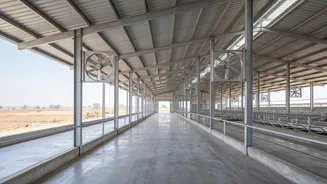
The challenge is immense, but not insurmountable. Across India, efforts are underway to build a more climate-resilient dairy sector. This includes promoting the breeding of thermo-tolerant indigenous cattle breeds, which are better adapted to heat than many high-yielding crossbreds. Experts are also pushing for the adoption of climate-smart fodder solutions, such as hydroponics and cultivating drought-tolerant varieties, to ensure a stable feed supply. On the farm, low-cost cooling methods like shade, sprinklers, and ventilation systems are being encouraged. To scale these solutions, initiatives like the Resilient Dairy Alliance are bringing together industry and climate experts to create market-based models that make adaptation affordable and accessible for small farmers.