

The Spiritual Heart of Fasting
Observing a fast on Janmashtami is more than just abstaining from food; it's a practice of discipline and devotion. The core idea is to shift focus from mundane distractions and physical needs towards prayer, meditation, and remembrance of Lord Krishna's
teachings. By maintaining a 'sattvic' or pure state, both internally and externally, devotees aim to feel closer to the divine. The fast typically begins at sunrise on Janmashtami and concludes either at midnight, marking Krishna's birth hour, or the following morning, depending on family and regional traditions.
Nirjala vs. Phalahari: Choosing Your Vrat
Not all fasts are the same, and tradition allows for different levels of observance based on one's health, age, and personal resolve. The strictest form is the 'Nirjala' vrat, where devotees abstain from both food and water for the entire duration. This is a demanding fast and is generally recommended only for those who are in good health and have prior experience. The more common and widely practised form is the 'Phalahari' vrat. In this fast, devotees consume a specific diet of fruits, milk products, and certain non-grain foods, making it a more manageable option for most people.
What You Can Eat During a Phalahari Vrat
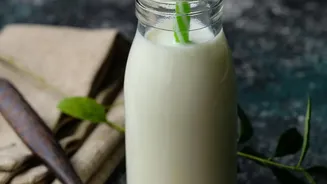
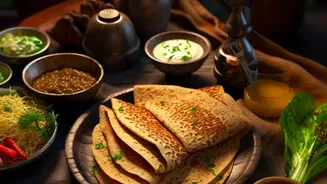
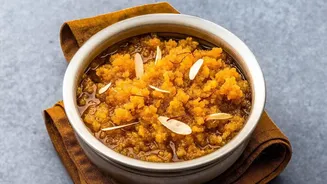
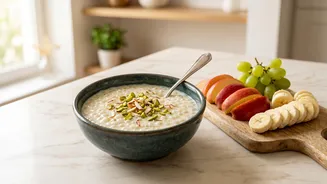
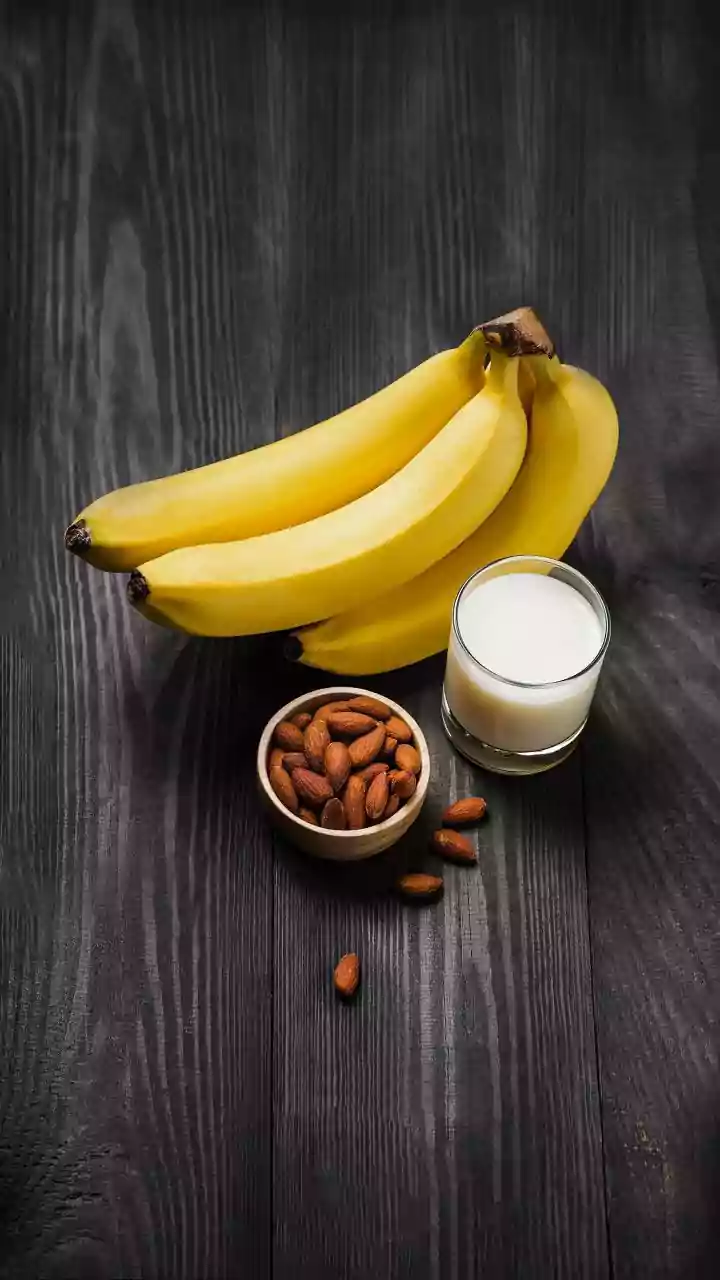
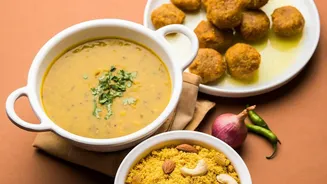
During a Phalahari fast, the diet is light, simple, and sattvic. The list of permitted foods is quite generous, allowing for a variety of dishes. Key items include all types of fresh fruits and milk and its derivatives like curd, paneer, buttermilk, ghee, and butter. Instead of regular grains, special flours such as Kuttu (buckwheat), Singhara (water chestnut), and Rajgira (amaranth) are used to make puris and rotis. Sabudana (tapioca pearls) and Samak ke chawal (barnyard millet) are also staples, often used to prepare khichdi and kheer. For vegetables, potatoes, sweet potatoes, raw banana, pumpkin, and colocasia (arbi) are allowed. Nuts, dry fruits, and makhana (fox nuts) are perfect for light snacking. The only salt permitted is Sendha Namak (rock salt).
Foods to Strictly Avoid
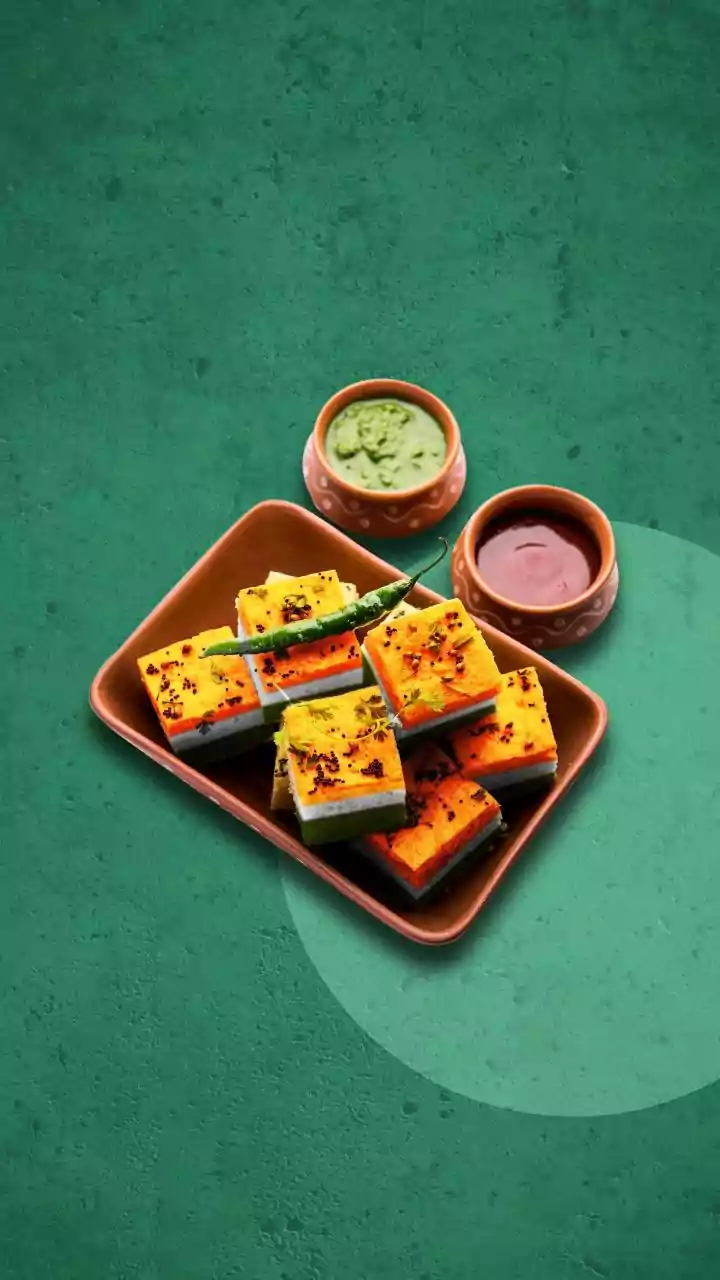
The list of forbidden foods is just as important. All regular grains like wheat and rice, as well as all lentils and pulses, are to be avoided. Onions and garlic are considered 'tamasic'—foods that are believed to cause mental dullness or restlessness—and are strictly excluded from the vrat diet. Regular table salt is replaced by rock salt. Additionally, all non-vegetarian food, eggs, and alcohol are completely forbidden. Many devotees also avoid processed or packaged foods to adhere to the principle of eating pure, unprocessed meals.
Prasad: Offerings for Lord Krishna
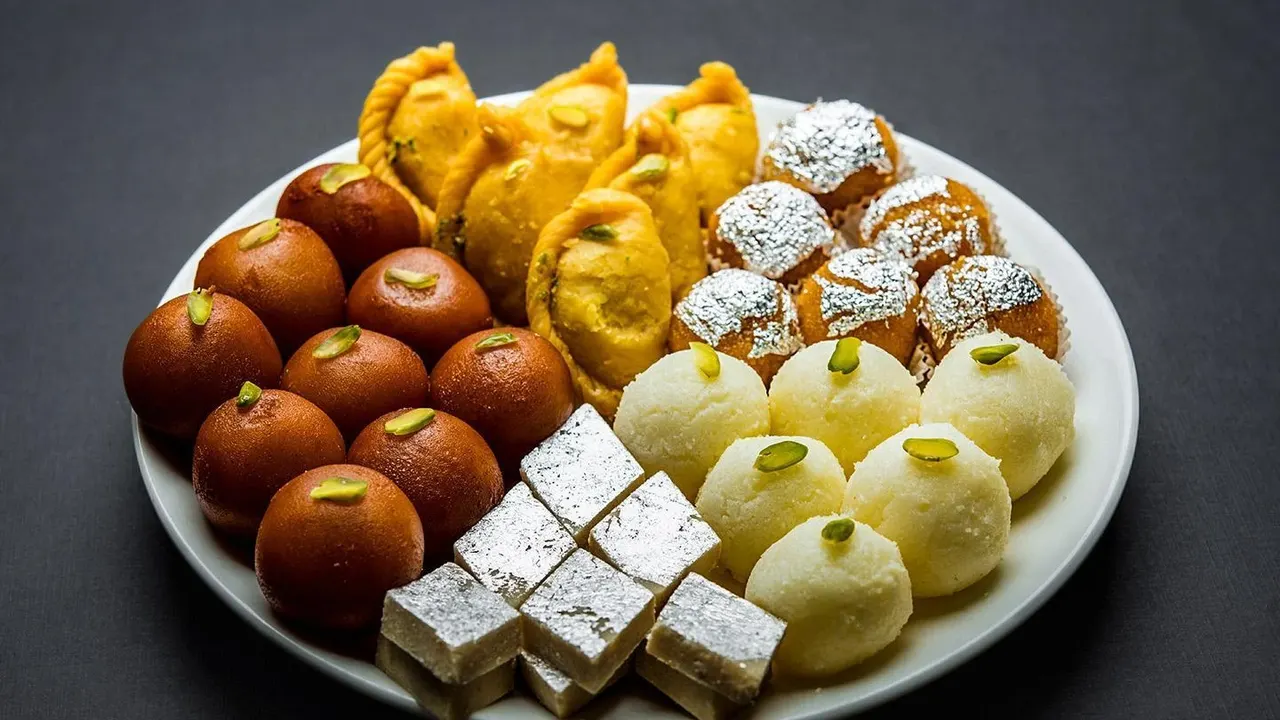
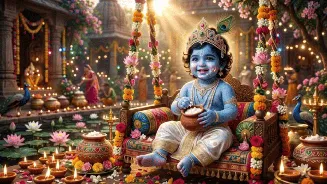
Special food preparations, or 'bhog', are made to be offered to Lord Krishna during the midnight puja. One of the most essential offerings is Makhan Mishri, a simple mix of fresh white butter and rock sugar, which is believed to be Krishna's favourite. Another key prasad is Panchamrit, a sacred concoction of five ingredients: milk, curd, ghee, honey, and sugar. Dhaniya Panjiri is a unique sweet made from roasted coriander seed powder, ghee, powdered sugar, and dry fruits, prepared specially for this occasion. These offerings are first presented to the deity and then distributed among family and friends.
Breaking the Fast: The Parana Ritual
The ritual of breaking the fast is known as 'Parana'. For many, the fast concludes right after the midnight puja ceremonies are complete. Devotees often break their fast by consuming the prasad that was offered to Lord Krishna, particularly the Panchamrit. However, some traditions, particularly those followed by Vaishnava communities and ISKCON, prescribe breaking the fast the next morning after sunrise, once the Ashtami tithi (eighth day) and Rohini Nakshatra (birth star) have passed. Whichever tradition is followed, the first meal is typically light, often consisting of fruits or a milk-based dish.