




Turmeric (Haldi): The Golden Healer
This vibrant yellow spice is a cornerstone of Indian cooking and traditional medicine for good reason. Turmeric's power comes from its active compound, curcumin, which has potent anti-inflammatory, antibacterial, and antiviral properties. During the monsoon,
when the body is more susceptible to infections, a daily dose of turmeric can help bolster your immune defences. It helps fight off germs that cause colds, coughs, and sore throats, which are common during this season. A simple glass of warm 'haldi doodh' (turmeric milk) before bed can soothe a scratchy throat, reduce inflammation, and promote a stronger immune system to help you navigate the season feeling your best.
Ginger (Adrak): The Digestive Fire-Starter
According to Ayurveda, the digestive fire, or 'Agni', tends to be weaker during the rainy season, leading to issues like bloating and indigestion. This is where ginger shines. Known for its warming properties, ginger is an excellent digestive aid that helps stimulate a sluggish metabolism. It effectively combats nausea and provides relief from gas and stomach discomfort. Beyond digestion, ginger is a well-known remedy for the common cold and flu. Its anti-inflammatory and antiviral compounds help clear respiratory congestion and soothe sore throats. Starting your day with a warm cup of ginger tea, perhaps with a dash of honey and lemon, can keep your digestive system happy and ward off seasonal sniffles.
Garlic (Lehsun): The Immunity Guard
While its potent aroma might not be for everyone, garlic's health benefits are undeniable, especially during the monsoon. Garlic is packed with a compound called allicin, which is released when it's crushed or chopped and has powerful antibiotic and antiviral effects. Regular consumption can stimulate white blood cells, which are crucial for fighting off infections like the common cold and flu. Several sources suggest that including garlic in your diet can help reduce the frequency and severity of seasonal illnesses. Adding freshly chopped garlic to your dals, subzis, and chutneys is an easy way to harness its immunity-boosting power and add a protective layer against the germs that thrive in the damp monsoon weather.
Amla (Indian Gooseberry): The Vitamin C Powerhouse
When it comes to boosting immunity, Vitamin C is a critical nutrient, and Amla is one of its richest natural sources. This humble, sour fruit contains significantly more Vitamin C than many citrus fruits, making it a formidable weapon against seasonal infections. This potent antioxidant helps strengthen the immune system, enabling your body to better fight off the bacteria and viruses that are prevalent during the rains. Amla also supports liver function and aids digestion, both of which are important for overall wellness during this season. You can consume it as fresh fruit, juice, or in its preserved forms like murabba or powder to get a daily dose of this protective superfood.
Moong Dal: The Gentle Nourisher
During the monsoon, it's wise to favour foods that are light and easy to digest, and moong dal fits the bill perfectly. Unlike heavier lentils, moong dal is gentle on the stomach, preventing the feeling of heaviness or bloating that can occur when the digestive system is weak. Despite being light, it is a fantastic source of protein, zinc, and antioxidants, which help nourish the body and support immune function. The classic Indian comfort food, Khichdi, made from moong dal and rice with a pinch of turmeric and ginger, is considered an ideal meal for the rainy season. It provides balanced nutrition, supports digestion, and helps keep the body warm and healthy.
Seasonal Fruits and Vegetables: Nature’s Bounty
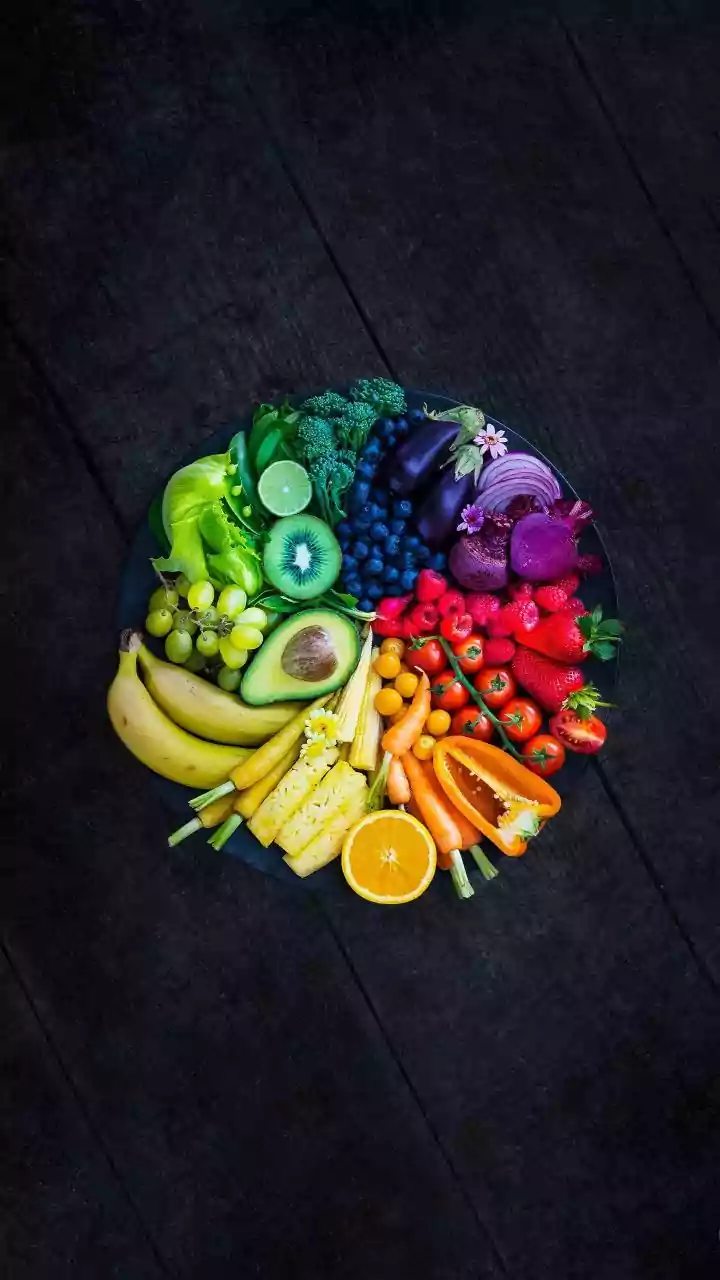
While many superfoods are available year-round, the monsoon also brings its own special produce. Fruits like pomegranates, apples, pears, and jamun are excellent choices. They are packed with vitamins and antioxidants that help fight infection and support gut health. Similarly, vegetables like bottle gourd (lauki) and ridge gourd (turai) are light and easy to digest. A key tip for the season is to avoid raw vegetables in salads, as the high humidity increases the risk of contamination. Instead, opt for steamed or well-cooked preparations to ensure your food is safe and to make the nutrients more accessible for your body.