


Understanding the Monsoon Menace
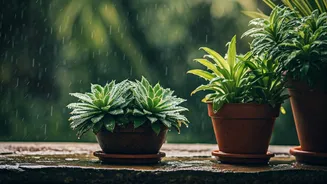
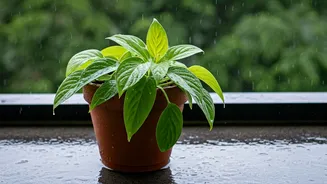
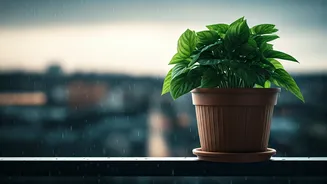
Root rot is a disease caused by fungi that thrive in waterlogged soil. During the monsoon, frequent rains and high humidity mean pots stay wet for longer, and reduced sunlight slows down evaporation. This suffocates the plant's roots, which need air to
function. Without oxygen, the roots begin to decay, unable to absorb water and nutrients, leading to a plant that looks wilted even when the soil is damp. A foul, swampy smell from the soil is another classic sign of trouble brewing beneath the surface.
Build a Foundation for Drainage
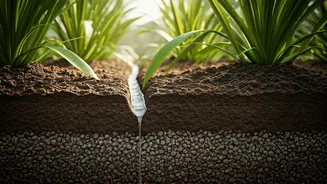
Prevention starts with what’s inside your pot. Standard garden soil is often too dense for containers, compacting easily and trapping water. The ideal potting mix for the monsoon is light and airy. Create a blend using 50% cocopeat, 20-30% compost (like vermicompost), and 20-30% perlite or coarse river sand. Cocopeat retains moisture without becoming heavy, while perlite or sand creates essential air pockets and drainage channels, allowing excess water to escape quickly. This simple change can be the single most effective step in preventing root rot.
Choose Your Pots Wisely
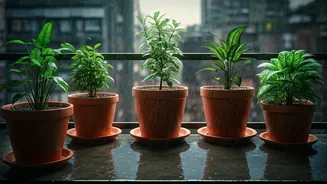
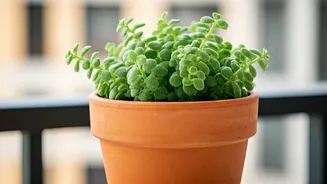
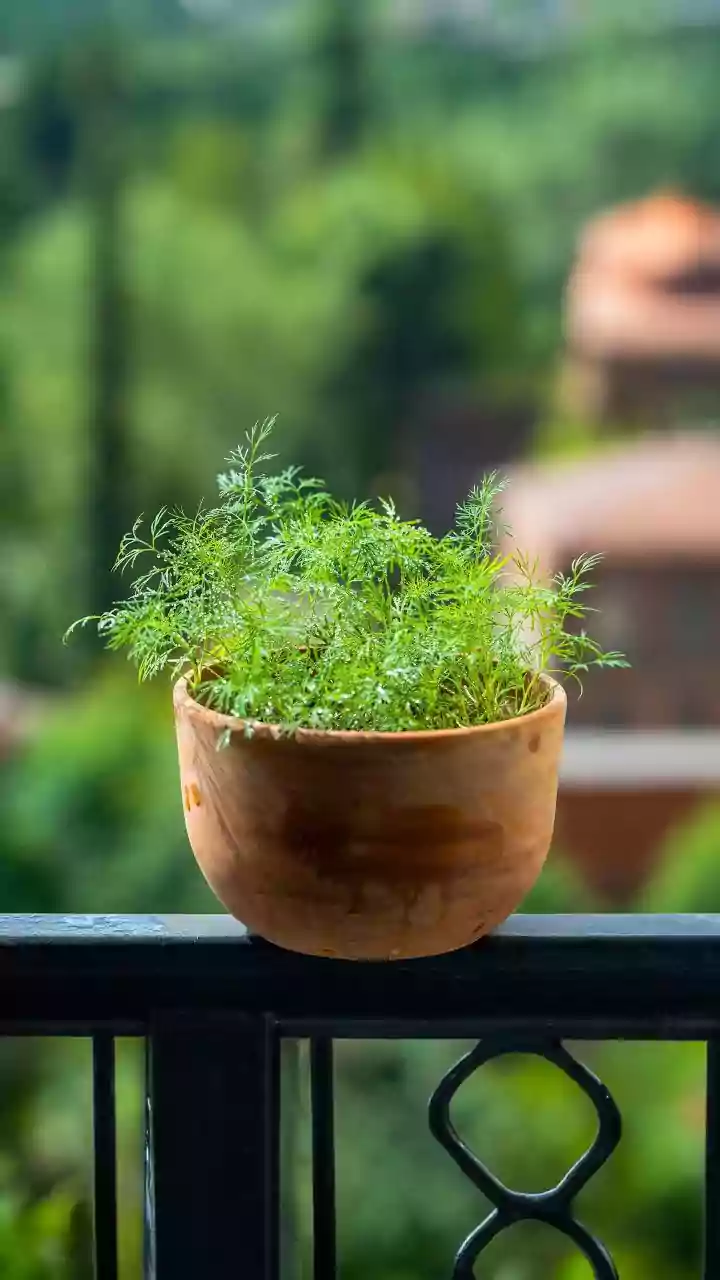
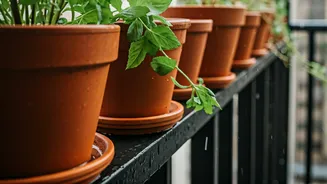
The right container is non-negotiable. Ensure every pot has multiple drainage holes at the bottom to let water exit freely. During the rainy season, terracotta or unglazed clay pots are often a better choice than plastic ones because their porous walls allow moisture to evaporate, helping the soil to dry out faster. It’s also crucial to elevate your pots. Placing them on pot feet, bricks, or a simple stand prevents them from sitting in a puddle of drained water, which can be reabsorbed and lead to waterlogging. If you use saucers, be sure to empty them within 30 minutes of watering or a downpour.
Mastering Monsoon Watering
During the monsoon, abandon your regular watering schedule. The rain and high humidity often provide all the moisture your plants need. Before you even think about watering, use the 'finger test'. Stick your finger about two inches into the soil. If it feels moist, do not water. Wait until the top layer feels mostly dry. Overwatering is the primary cause of root rot, and during this season, it’s far better to err on the side of caution. If possible, move sensitive plants to a spot on your balcony that receives less direct rainfall, such as under an overhang.
Spotting the Early Warning Signs
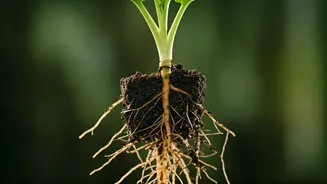
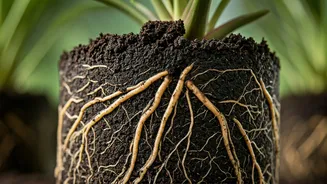
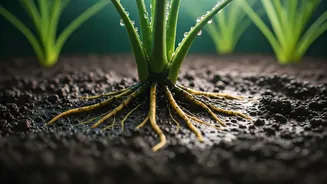
Catching root rot early can save your plant. Be on the lookout for yellowing leaves, especially older ones near the base of the plant. Another key symptom is wilting or drooping leaves, even when the soil is wet—this indicates the roots are no longer functioning properly. Stunted or slow growth during what should be a lush growing season is another red flag. To confirm your suspicions, you'll need to gently slide the plant out of its pot. Healthy roots are typically firm and white or light tan. Rotted roots will be brown or black, feel soft and mushy, and may fall apart when you touch them.
Emergency Rescue for a Rotted Plant
If you've confirmed root rot, act fast. Carefully remove the plant from its pot and gently wash away all the old soil from the roots. Using a pair of clean, sterilized scissors, trim away every black, brown, or mushy root. Be thorough, as leaving any diseased tissue behind can allow the rot to spread again. If you’ve removed a significant portion of the roots, it's a good idea to prune back about one-third of the plant's leaves. This reduces the stress on the remaining roots, as there's less foliage for them to support. Finally, repot the plant in a clean pot with fresh, well-draining soil. Water it lightly and place it in a spot with bright, indirect light to recover.