



The Great Annual Migration
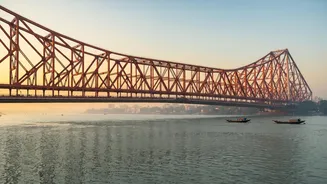
Come September and October, the nation is gripped by festive fervour. For those with roots in the east, the call of Durga Puja in Kolkata is irresistible. This is followed closely by the glittering lights of Diwali and the profound rituals of Chhath Puja,
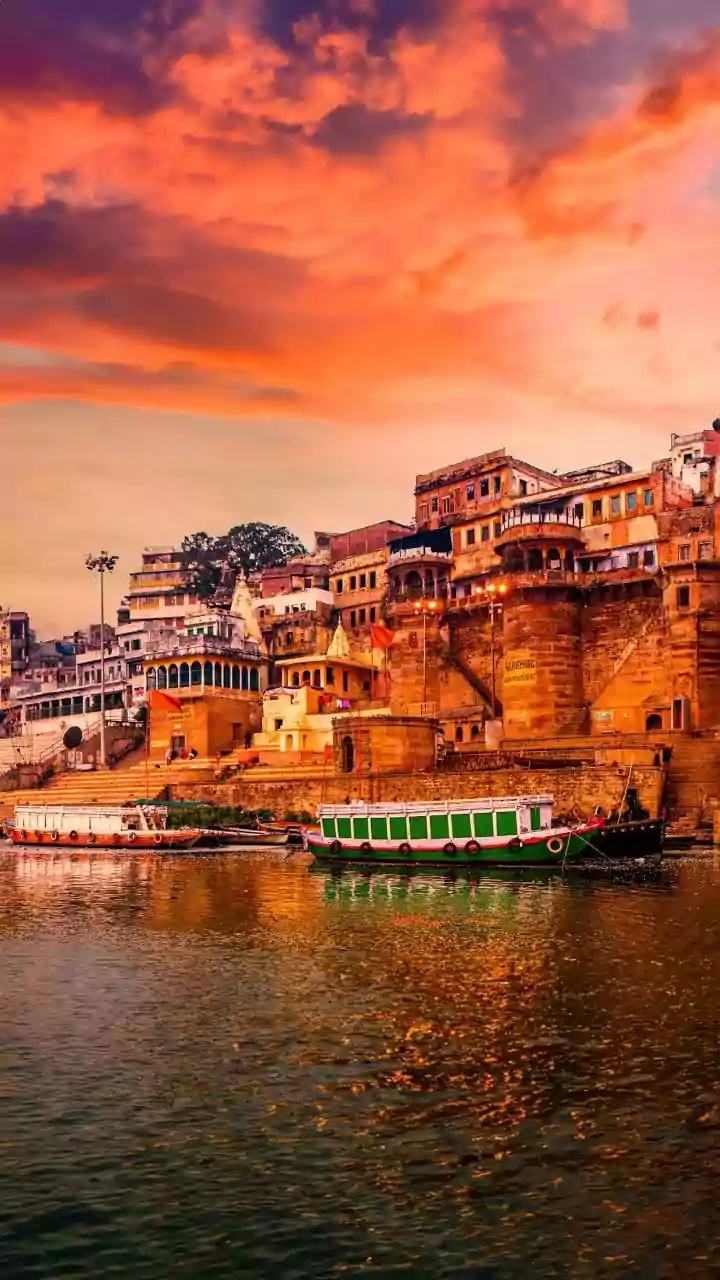
which see countless people travel to and from cities like Varanasi. This period triggers one of the country's largest annual surges in travel. The result is a predictable, yet always challenging, rush where booking a ticket can feel like winning a lottery. Understanding this seasonal rhythm is the first step toward a stress-free journey.
Conquering the Railways
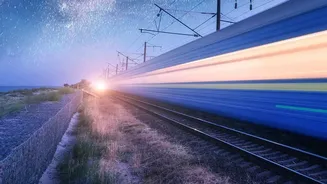
For many, the quintessential festival journey happens on a train. The key to securing a berth is preparation. Indian Railways opens bookings 120 days in advance for most trains. For festival travel, you must be ready to book the very morning this window opens. Have your IRCTC account logged in, passenger details saved in the master list, and payment options ready. If you miss the initial wave, don't despair. Keep an eye out for 'Festival Special' trains, which are announced closer to the dates to manage the extra rush. Another option is the Tatkal quota, which opens one day before departure, though it requires speed and a bit of luck. Checking your PNR status frequently in the days leading up to the journey can also be fruitful, as many waitlisted tickets get confirmed due to last-minute cancellations.
Navigating the Skies
If you're opting for air travel, the golden rule is to book early. For domestic festival travel like the route between Varanasi and Kolkata, booking 10 to 14 weeks in advance is often recommended to avoid steep price hikes. Prices surge dramatically in the last five to six weeks before major festivals like Diwali. Using price alert tools on travel portals can help you track fares and book when a dip occurs. Flexibility is your friend; flying on the main festival day itself can sometimes be cheaper than the days immediately preceding it, as most people want to arrive before the celebrations begin. Similarly, choosing mid-week flights on a Tuesday or Wednesday often yields better prices than travelling on weekends.
Hitting the Road: Car and Bus
For those who prefer the flexibility of a road trip, the journey from Varanasi to Kolkata primarily uses National Highway 19 (NH19), also part of the historic Grand Trunk Road. The drive spans approximately 700 kilometres and can take anywhere from 12 to 15 hours, depending on traffic and road conditions. While stretches in West Bengal and Jharkhand are generally smooth, ongoing six-lane expansion work in parts of Bihar can lead to diversions and congestion. Starting early, around 4 or 5 AM, is highly advised to avoid city traffic at both ends. Be prepared for toll payments and heavy truck traffic in certain sections. While the drive is manageable in a single day, carrying food and water is a good idea, as is planning for an overnight halt if you prefer a more relaxed pace.
Essential Packing and Safety
Regardless of how you travel, some tips are universal. Pack light but smart. A portable power bank is a lifesaver, as are a basic first-aid kit and any personal medications. Given the crowds, keeping your valuables secure in an anti-theft bag is wise. Always carry digital and physical copies of your tickets and ID. During festival season, transport hubs and vehicles are incredibly crowded. Be mindful of your belongings and personal space. Stay hydrated and try to eat at clean, reputable places to avoid getting sick. While the journey can be hectic, a little planning ensures your focus remains on the joy of the destination.