





From Concrete Jungle to Green Oasis
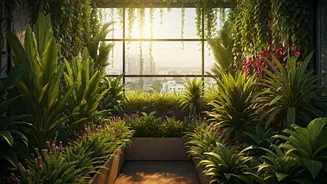
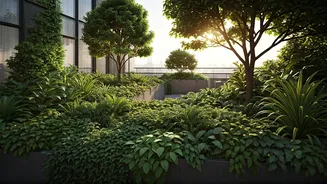
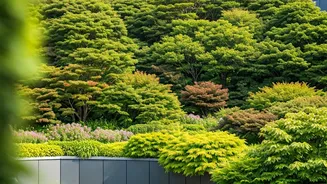
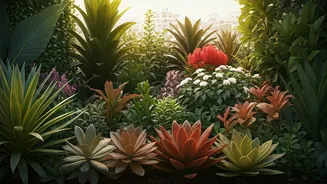
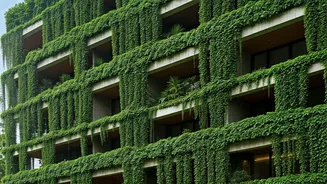
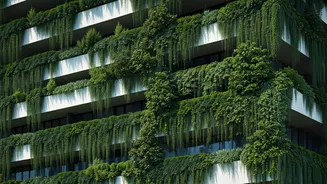
Across India's metropolises, a new trend is taking root. More than just a few pots of flowers, 'terrace forests' are dense, biodiverse ecosystems being cultivated on the rooftops of homes and apartment buildings. This movement sees city residents transforming
unused spaces into lush green havens that mimic natural forests. The idea is to create a self-sustaining system, not just a collection of individual plants. For instance, mechanical engineer Venkataraman in Bengaluru has cultivated a 600-square-foot forest on his terrace with over 100 plant varieties that has withstood heavy monsoon storms, demonstrating the resilience of a well-designed ecosystem. This approach is a response to rapid urbanisation, which has often come at the cost of green spaces.
The Power of Native Plants
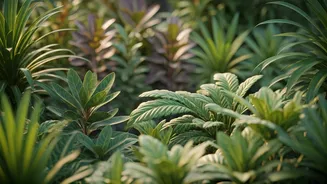
A key element of this trend is the deliberate shift towards growing native plants. Unlike exotic or ornamental species, native plants are perfectly adapted to the local climate, soil, and wildlife. This means they require less water, are naturally resistant to local pests, and thrive with minimal maintenance once established. Species like Neem, Peepal, Jamun, and various local grasses and shrubs provide essential food and shelter for native birds, butterflies, and insects, helping to restore local biodiversity that is often lost in cities. By choosing native species, these terrace gardeners are not just beautifying their homes but actively rebuilding small pockets of their region's natural heritage.
Benefits Beyond the Balcony
The advantages of these rooftop ecosystems extend far beyond aesthetics. They play a crucial role in combating the 'urban heat island' effect by providing shade and cooling the surrounding air temperature by several degrees. A dense planting of trees and shrubs acts as a natural air filter, absorbing pollutants and improving air quality. These mini-forests also attract a stunning variety of wildlife. In Delhi, 23-year-old Aman Sharma turned his terrace into a sanctuary with over 500 native plants, which now attracts over 100 bird species and 25 types of butterflies. Furthermore, engaging in gardening has proven therapeutic benefits, reducing stress and promoting mental well-being.
Inspired by Nature: The Miyawaki Method
Many of these terrace forests draw inspiration from the Miyawaki method, a technique developed by Japanese botanist Akira Miyawaki. This method involves planting a wide variety of native species very close together, which encourages rapid vertical growth as plants compete for sunlight. The result is a forest that can become dense and self-sustaining in just a few years, growing up to 10 times faster than a conventional plantation. This approach is perfectly suited for space-constrained urban environments, allowing a rich, multi-layered forest to be created in a small area. It’s a powerful tool for quickly boosting urban green cover and biodiversity.
How to Start Your Own Mini-Forest
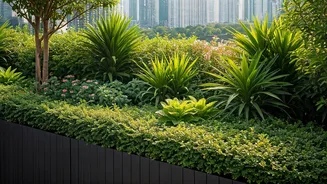
Creating your own terrace forest might seem daunting, but it can be started small. First, assess your rooftop's structural capacity to handle the weight of soil and plants. Begin with lightweight containers and a nutrient-rich potting mix. The most crucial step is selecting the right plants. Research native species that are specific to your region—local nurseries or online gardening communities can be great resources. Start with hardy, easy-to-grow native herbs, shrubs, and small trees. Ensure proper drainage in your containers and consider watering early in the morning or late in the evening to minimise evaporation. The goal is to create a layered ecosystem, with taller trees, medium shrubs, and low-growing groundcover, just as you would find in a natural forest.