



Know Your Spice: Green vs. Black
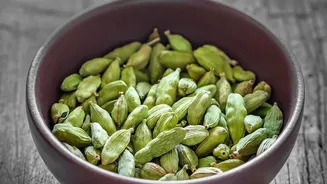
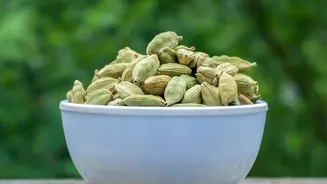
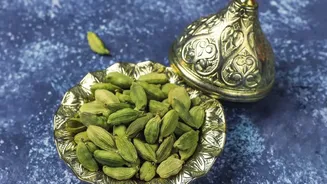
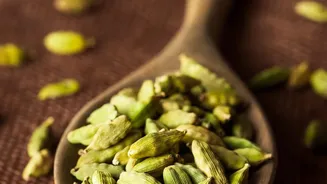
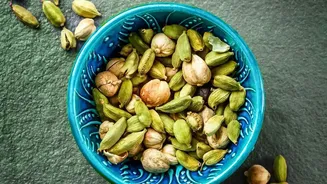
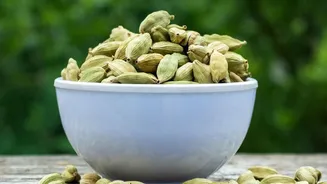
Before you can master cardamom, it helps to know what you're working with. Most recipes that simply call for 'cardamom' are referring to green cardamom. It possesses a sweet, floral, and slightly citrusy profile, making it versatile for both desserts
and savoury meals. Black cardamom is an entirely different spice; its pods are larger and dried over a fire, which imparts a strong, smoky flavour ideal for hearty, savoury dishes like stews and curries. Using black cardamom in a recipe intended for green will create a smoky, resinous taste that can be jarring in sweets or lighter fare. For achieving subtlety, green cardamom is almost always the right choice.
The Whole Pod Advantage
The simplest way to impart a gentle, controlled flavour is to use whole green cardamom pods. The papery husk acts as a natural slow-release mechanism for the flavourful seeds inside. To use them, lightly crush or bruise the pods with the flat side of a knife. This cracks the pod open just enough to allow the essential oils to escape during cooking. You can then add the bruised pods to simmering liquids like milk for puddings, water for cooking rice, or even your morning coffee pot. The key is to let the pods infuse their aroma and flavour slowly, then remove them before serving, much like you would a bay leaf. This technique gives you all the aromatic benefits without the risk of an unsuspecting guest biting into a whole pod.
Infuse with Fat or Syrup
Fat is an excellent carrier of flavour, and blooming whole spices in hot oil or ghee is a foundational technique in many cuisines. Gently heat a few bruised cardamom pods in your cooking fat at the beginning of a recipe for a biryani, pilaf, or curry. The heat will cause the pods to release their aromatic oils, infusing the entire dish with a deep, integrated warmth that feels like part of the dish rather than something sprinkled on top. Another elegant method is creating a cardamom-infused simple syrup. By simmering water and sugar with crushed cardamom pods, you create a versatile sweetener perfect for drinks, drizzling over cakes, or flavouring fruit salads. In both cases, the spice itself is strained out, leaving only its pleasant essence behind.
Using Ground Cardamom Sparingly
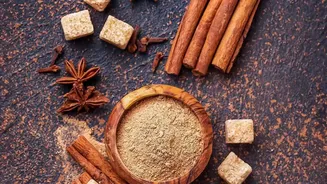
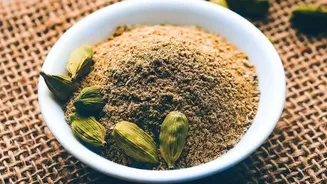
Ground cardamom is made from the tiny seeds inside the pod and has a much more intense and immediate flavour. Because it loses its volatile oils quickly after being ground, it's always best to buy whole pods and grind the seeds yourself right before use. When using ground cardamom, a little goes a long way. It's often best used in concert with other warm spices like cinnamon, nutmeg, or coriander, which can help balance its potency. In baking, try replacing a portion of the cinnamon in a recipe with cardamom for a subtle, sophisticated twist. For a delicate touch, you can also stir a tiny pinch into a finished dish, like oatmeal or a fruit compote, allowing its aroma to be present without a long cooking time that might intensify it too much.
Perfect Pairings for a Hint of Flavour
The true joy of using cardamom subtly is discovering how it complements other ingredients. It has a natural affinity for fruits like apples, plums, and citrus, adding a warm note to jams, pies, and muffins. A pod or two in the water used to cook basmati rice lends an authentic, fragrant aroma. In beverages, it's a classic partner for coffee and tea, where a single pod can transform a simple cup into a special treat. It also pairs beautifully with dairy, making it a perfect addition to creamy desserts like kheer (rice pudding) or even just a simple bowl of yoghurt with honey. Experimenting with these pairings will help you appreciate the spice not for its power, but for its finesse.