





Nature's First Line of Defence
India’s eastern seaboard, encompassing states like West Bengal, Odisha, and Andhra Pradesh, lives under the constant threat of cyclones barrelling in from the Bay of Bengal. For generations, coastal villages have relied on concrete embankments, but climate
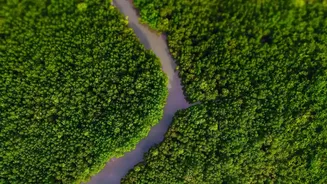
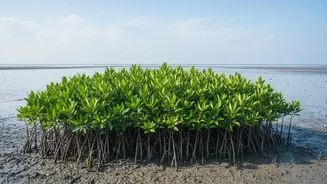
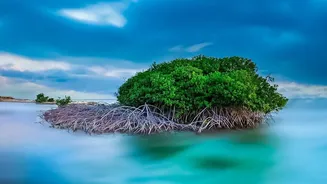
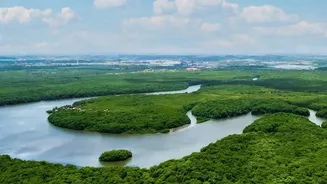
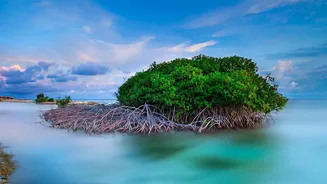
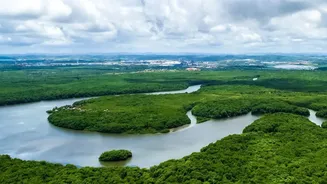
change is testing these man-made defences. In response, communities are investing in a more resilient solution: bio-shields. Mangrove forests, with their tangled, dense root systems, are uniquely equipped to act as natural barriers. They dissipate wave energy, reduce wind speeds, and trap sediment, significantly lessening the impact of storm surges on homes and agricultural lands. Studies following major cyclones have repeatedly shown that villages sheltered by healthy mangrove forests suffer significantly less damage and loss of life.
Grassroots Restoration, Led by Women
The driving force behind this green resurgence is often the local communities themselves, particularly women’s self-help groups (SHGs). In villages across the Sundarbans in West Bengal and coastal Odisha, women are establishing and managing mangrove nurseries, collecting seeds, and raising saplings. Initiatives like the 'Women for Mangroves' program in Odisha have empowered thousands of women to become ecological leaders. They are not just planting trees; they are meticulously managing the entire restoration process, from preparing the land to monitoring the growth of the young forests. This hands-on approach ensures that the conservation efforts are deeply embedded within the community, fostering a sense of collective ownership and long-term stewardship.
Planting with Scientific Precision
Modern mangrove restoration is far more than just planting saplings along the coast. Success hinges on a scientific approach. Community groups, often supported by government bodies, NGOs, and partners like the UNDP, are trained to understand the local ecology. This includes analysing soil and water salinity, understanding tidal flows, and selecting the right mangrove species for specific locations. Planting a single, fast-growing species is no longer the standard; instead, the focus is on restoring the natural diversity of the mangrove ecosystem. This ensures higher survival rates for the saplings and creates a more robust, functional forest capable of withstanding environmental pressures and providing a richer habitat for biodiversity.
Beyond Protection: Economic and Social Uplift
The benefits of mangrove restoration extend far beyond coastal protection. These projects are transforming local economies. By providing wage employment for nursery and plantation work, they offer crucial income streams, particularly for women. Furthermore, healthy mangrove ecosystems act as vital nurseries for fish, crabs, and prawns, which boosts the catches of local fishing communities. Some communities have even developed innovative livelihood programs linked to the mangroves, such as sustainable crab farming and eco-tourism. These ventures create a powerful economic incentive for conservation, proving that protecting the environment and improving livelihoods can go hand in hand.
The Challenges Ahead
Despite these successes, the path to restoring the eastern coast's mangrove shield is not without obstacles. Coastal development, encroachment for aquaculture, industrial pollution, and plastic waste continue to threaten existing and newly planted forests. Rising sea levels and increasing water salinity due to climate change pose another significant challenge, sometimes leading to high mortality rates among young saplings. Sustained funding, continued policy support from initiatives like the national MISHTI scheme, and vigilant community-led protection are all essential to overcome these hurdles and ensure the long-term survival of these critical ecosystems.