





The Humidity and Sebum Paradox
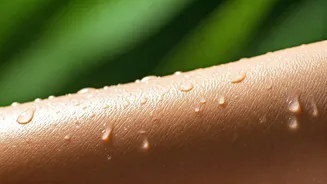
The core challenge of monsoon skincare lies in humidity. When the air is saturated with moisture, your sweat doesn't evaporate as quickly. This process traps sweat, oil, and environmental pollutants on your skin's surface. In response to the damp conditions,
your skin's sebaceous glands can go into overdrive, producing even more oil, or sebum. This creates a greasy film that becomes a perfect breeding ground for bacteria, leading to clogged pores, blackheads, and whiteheads. What feels like a dewy glow on the surface is often a precursor to congestion and breakouts.
A Breeding Ground for Infections
The warm, damp environment of the monsoon season is an ideal habitat for fungi and bacteria to thrive. This leads to a higher incidence of skin infections that are less common in other seasons. Fungal infections like ringworm, characterized by itchy, circular red patches, and athlete's foot are particularly prevalent. Another common issue is folliculitis, an inflammation of hair follicles caused by bacteria or fungi, which appears as small, red, and sometimes itchy pimples on the body. Keeping skin dry, especially in folds like underarms and between toes, is crucial to prevent these unwelcome guests.
Acne Flare-Ups and Irritation
For those with acne-prone or sensitive skin, the monsoon can trigger significant flare-ups. The combination of excess oil, clogged pores from dead skin cells, and bacteria is a recipe for inflammatory acne. Even people who don't normally have acne can find themselves breaking out on their face, back, and chest. Furthermore, existing conditions like eczema can be aggravated, as the constant dampness and temperature fluctuations can disrupt the skin's natural protective barrier, leading to dryness, itching, and inflammation. Polluted rainwater can also act as an irritant, causing contact dermatitis for sensitive skin types.
Your Monsoon Skincare Action Plan
Adapting your routine is key to navigating the season. First, switch to a gentle, non-comedogenic cleanser to wash your face twice daily. This helps remove the daily buildup of grime without stripping your skin's natural moisture. Next, don't skip the moisturizer. The humidity isn't a substitute for hydration. Opt for a lightweight, water-based, or gel-based moisturizer that hydrates without clogging pores. Look for ingredients like hyaluronic acid to retain moisture effectively. Finally, even on cloudy days, UV rays penetrate and can cause damage. A broad-spectrum sunscreen with at least SPF 30 is a non-negotiable step to protect your skin.
The Importance of Exfoliation and Good Habits
Regular exfoliation becomes extra important during the monsoon to slough away the dead skin cells that contribute to clogged pores. A gentle chemical exfoliant with AHAs or BHAs, used once or twice a week, can help keep your skin clear and bright. Avoid harsh physical scrubs that might irritate the skin. Beyond products, simple habits make a big difference. Avoid touching your face to prevent transferring bacteria. If you get caught in the rain, change out of damp clothes as soon as possible to prevent body acne and fungal infections. Incorporating antifungal powders can also be a preventative measure for infection-prone areas.