


What is This ‘Vegetarian Mutton’?
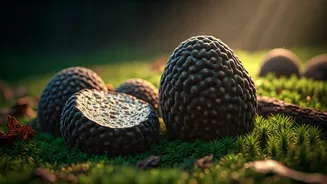
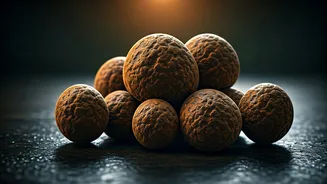
At first glance, Rugda doesn't look like a typical mushroom. It resembles a small, lumpy, earth-caked potato, with a firm, white exterior. Found in the markets of Ranchi and other towns across Jharkhand, these little globes are a seasonal delicacy that
appears only for a few weeks during the peak of the rains. But it's the texture and flavour that truly set it apart. When cooked, Rugda has a surprisingly firm and chewy bite, earning it the popular nickname ‘vegetarian mutton’. Unlike the soft, yielding texture of most mushrooms, Rugda holds its own, absorbing spices while providing a substantial, satisfying mouthfeel. This unique characteristic is what makes it more than just a vegetable; it’s an experience. Botanically, Rugda is a type of ectomycorrhizal fungus, belonging to genera like Lycoperdon and Geastrum. This means it grows in a symbiotic relationship with the roots of specific trees, a detail that is key to its prized status.
A Treasure of the Sal Forests
Rugda cannot be cultivated. Its existence is entirely dependent on a natural, undisturbed ecosystem, specifically the sprawling Sal forests of the Chota Nagpur Plateau. After the first heavy monsoon showers, when lightning strikes the ground, local wisdom says that Rugda begins to sprout underground, nurtured by the roots of the mighty Sal trees. This untamable, wild nature makes it incredibly special. It’s a true product of its terroir—a taste of the Jharkhand soil, rain, and forest. The mushroom’s life cycle is fleeting. It appears suddenly and must be foraged quickly, making it a precious and often expensive commodity in local markets. Its reliance on a healthy forest ecosystem also makes it a powerful bio-indicator; where Rugda thrives, the forest is alive and well. This connection to the wild is a huge part of its appeal in a world increasingly dominated by mass-produced foods.
Harvested by Hand, Steeped in Tradition
The story of Rugda is inextricably linked with Jharkhand’s indigenous tribal communities, particularly the Munda, Oraon, and Santhal. For generations, these communities have been the custodians of the forests and the keepers of the knowledge required to find this subterranean treasure. Foraging for Rugda is a delicate art. Families venture into the forests, scanning the ground for subtle cracks in the soil that indicate the presence of the mushrooms growing beneath. They are then carefully dug out by hand. For these communities, Rugda is more than just food; it’s a vital source of nutrition and income during the monsoon months when other agricultural activities may be limited. It’s a tradition passed down through generations, a ritual that connects them directly to their land and ancestors. Every handful of Rugda sold in the market represents deep ecological knowledge and a tradition of sustainable harvesting.
The Authentic Taste of the Monsoon
So, what does it taste like? On its own, Rugda has a subtle, earthy flavour. But its true genius lies in its ability to act as a canvas for spices. The classic preparation is a simple but flavourful curry known as ‘Rugda ki Sabzi’. The mushrooms are typically sautéed with onions, garlic, ginger, and a blend of aromatic spices like turmeric, cumin, and coriander. Simmered in a tomato-based gravy, they soak up all the flavours, resulting in a rich, complex dish that is both rustic and deeply comforting. The firm, meaty texture remains the star, providing a delightful contrast to the smooth gravy. It’s most often enjoyed with hot rice or fresh rotis. This simple preparation honours the ingredient, allowing its unique texture and the essence of the forest to shine through.
From Forest Floor to Foodie Plates
For years, Rugda remained a well-kept secret, cherished within Jharkhand. But that is changing. A growing movement in Indian gastronomy towards celebrating hyperlocal, indigenous, and forgotten ingredients has put a spotlight on treasures like Rugda. Chefs dedicated to sustainable and regional Indian cuisine are exploring ways to incorporate it into modern menus, while food writers and bloggers are sharing its story with a wider audience. This newfound attention does more than just create a trend; it validates the culinary wisdom of tribal communities and brings economic benefits back to them. As foodies across the country become more adventurous, they are looking beyond a handful of commercial ingredients and seeking authentic, story-rich foods. Rugda, with its wild origins, unique texture, and deep cultural roots, is exactly the kind of hero ingredient this new food landscape is celebrating.