




The Daily Grind: What Sitting Does to Your Body
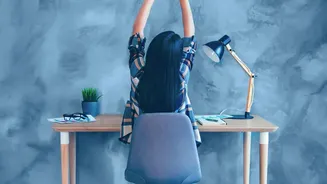
The human body was built to move, but modern work often forces us into a sedentary state for eight or more hours a day. This prolonged sitting has a cascading effect on our health. Our hip flexor muscles, located at the front of the hips, become short
and tight, while our glute muscles weaken from inactivity. This imbalance can lead to poor posture, where the upper back rounds forward and the lower back flattens, increasing the risk of chronic pain. Beyond just muscle aches, sitting for long periods can reduce blood circulation, particularly in the legs, and can even impact our metabolism by affecting how the body processes fats and sugars. Research shows that this sedentary behaviour is a risk factor for a host of issues, including musculoskeletal disorders in the neck, shoulders, and lower back.
Active Recovery: A Gentle Solution
The idea of "undoing" this damage may sound complex, but the solution is surprisingly simple: active recovery. Unlike intense exercise, active recovery involves low-intensity movements designed to promote blood flow and help muscles repair themselves. It's not about pushing your limits but about gently coaxing your body out of the stiff, static posture it's been holding all day. A 10-minute session of targeted stretches does more than just relieve tension. It helps re-engage underused muscles, improve flexibility, and restore proper alignment. By consistently interrupting long periods of sitting with these gentle movements, you can mitigate many of the negative health risks associated with a desk job. Think of it as a reset button for your muscles and joints.
Your 10-Minute Desk Reset Routine
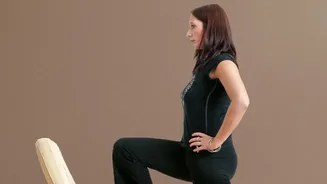
Consistency is more important than intensity. Performing a few key stretches daily can make a significant difference. Here is a simple, effective routine that targets the areas most affected by sitting: 1. Kneeling Hip Flexor Stretch: From a kneeling position, step one foot forward so your knee is at a 90-degree angle. Gently push your hips forward until you feel a stretch in the front of the back leg’s hip. Hold for 30 seconds per side. 2. Cat-Cow Stretch: On your hands and knees, inhale as you drop your belly and look up (Cow). Exhale as you round your spine and tuck your chin to your chest (Cat). Repeat for 60 seconds to improve spinal mobility. 3. Cobra Pose: Lying on your stomach, place your hands under your shoulders and gently lift your chest off the floor, keeping your hips down. This reverses the forward slump of sitting. Hold for 30 seconds. 4. Standing Chest Opener: Stand up and clasp your hands behind your back. Straighten your arms and pull your shoulder blades together to open up the chest muscles that tighten from hunching over a screen. Hold for 30 seconds. 5. Seated Glute Stretch (Piriformis Stretch): While sitting, cross one ankle over the opposite knee. Gently lean forward until you feel a stretch in your glute and hip. Hold for 30 seconds per side.
Making the Habit Stick
Knowing what to do is only half the battle; integrating it into your workday is the real challenge. The key is to make it effortless. Set a recurring alarm on your phone or calendar for a specific time each day—perhaps mid-afternoon when you typically feel a slump. You don't need a yoga mat or special equipment; these stretches can be done right by your desk. Another strategy is to link the new habit to an existing one. For example, commit to doing your 10-minute routine immediately after your lunch break or before you shut down your computer for the day. By anchoring the stretches to an established part of your schedule, you remove the guesswork and make it an automatic part of your day. The goal is to build a sustainable ritual that feels like a non-negotiable part of your self-care.