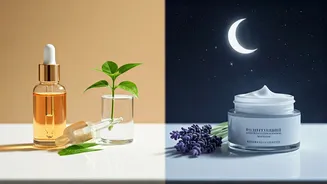









The Skin's Internal Clock
Just like your body has an internal clock that makes you feel sleepy or alert, your skin operates on a similar 24-hour cycle known as a circadian rhythm. During the day, your skin's primary job is to protect itself from environmental aggressors like UV
radiation, pollution, and other stressors. But when night falls, its focus shifts dramatically from protection to regeneration. This nightly repair cycle is fundamental for maintaining healthy, resilient skin. If this rhythm is disrupted, it can lead to premature aging and a greater predisposition to skin issues.
Cell Regeneration and Damage Repair
The most intensive repair work happens while you are in a deep sleep. One of the key processes is cell turnover, where new skin cells are produced to replace old, damaged ones. This process, also known as mitosis, peaks at night, with some studies suggesting cell production can double between 11 p.m. and 4 a.m. This is when the skin works to repair DNA damage caused by UV exposure during the day. Simultaneously, increased blood flow delivers a fresh supply of oxygen and essential nutrients to your skin cells, which is vital for these restorative functions and gives you a healthier-looking complexion in the morning.
The Hormonal Helper Team
Hormones play a starring role in this nightly revitalisation. As you fall asleep, your body releases human growth hormone (hGH), which is crucial for stimulating collagen production. Collagen is the protein that gives skin its firmness and elasticity, helping to prevent wrinkles and sagging. At the same time, levels of the stress hormone cortisol drop. This is beneficial because high cortisol levels can trigger inflammation and the breakdown of collagen. Meanwhile, the sleep hormone melatonin, a powerful antioxidant, gets to work neutralizing free radicals and repairing oxidative damage from the day.
Maximising Your Nightly Renewal
Since your skin is in peak repair mode and more permeable at night, it's the perfect time to use targeted skincare products. A good routine starts with thoroughly cleansing your face to remove makeup, dirt, and pollution. This clean slate allows active ingredients to penetrate more effectively. Look for products with ingredients that support the skin's natural overnight processes. Retinol, a derivative of Vitamin A, is a gold-standard ingredient for boosting collagen production and accelerating cell turnover. Peptides and ceramides help to firm the skin and strengthen its barrier. For hydration, hyaluronic acid is a powerhouse, as it draws and locks in moisture, leaving skin looking plump and refreshed. Antioxidants like Vitamin C and E can further help neutralise free radicals and support repair.