




A Weekend of Paws and Applause
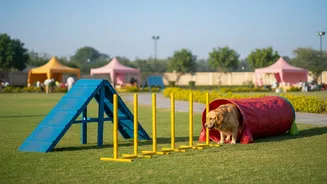
Organised by the Jaipur Municipal Corporation (JMC), the carnival held on August 2nd was a vibrant spectacle of the city's growing pet culture. The event, which took place at IDB, Durgapura, offered a comprehensive platform for pet parents, featuring
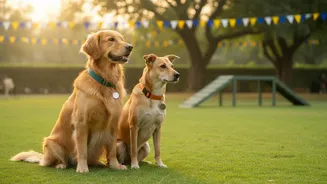
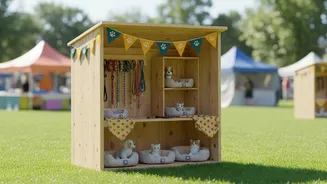
on-the-spot registrations, free anti-rabies vaccinations, veterinary health check-ups, and adoption drives for stray animals. With over 2,000 pets registered and more than 1,000 vaccinated during the event, the turnout was immense. Activities like a special pizza for dogs and the distribution of personalised collar tags created a festive atmosphere, but the core purpose was civic engagement. The JMC's initiative was strategically timed, coming just after the announcement of mandatory pet registration by September 30, with hefty fines for non-compliance. The carnival aimed to soften this regulatory push with a community-centric event, encouraging responsible ownership through participation rather than punishment.
Beyond the Funfair: A Growing Urban Need
The massive attendance at the carnival threw a spotlight on a significant, and often overlooked, urban demographic: pet owners. As more Indians in cities like Jaipur welcome pets into their families, the gap in public infrastructure becomes increasingly apparent. For many, daily life with a pet is a series of negotiations—struggles to find pet-friendly housing, conflicts in societies over the use of common areas, and a glaring lack of safe, open spaces for animals to exercise. The challenges extend beyond housing. Pet parents navigate a landscape with few dedicated pet parks, inadequate waste disposal systems, and a need for more accessible and affordable veterinary services. This deficit in civic amenities means that for all the love owners pour into their animal companions, the city itself often treats them as an afterthought.
The Civic Disconnect: Rules vs. Reality
The JMC's new push for mandatory registration is a step towards creating a comprehensive database for better disease control and promoting accountability. JMC Commissioner Om Kasera stated the goal is to make Jaipur rabies-free and ensure the welfare of pets and residents. This follows a significant number of animal bite cases reported in the city, underscoring the public health imperative. However, regulation alone is not a solution. The city's infrastructure for animals, particularly strays, is already under strain. Jaipur has only one major dog facility at Jaisinghpura Khor, which is designed for sterilisation and short-term care, not long-term rehabilitation. While officials have noted that preparations for new shelters are underway, the reality on the ground highlights a disconnect. The new rules for registration and vaccination are crucial, but they must be supported by the development of physical infrastructure that accommodates the city's animal population.
A Blueprint for a Pet-Friendly City
The success of the pet carnival serves as compelling evidence for city planners. It demonstrates a clear demand for a more integrated approach to urban living that includes animals. A truly pet-friendly city is not just one with rules, but one designed with empathy. This involves creating designated, well-maintained pet parks where animals can run freely without causing inconvenience. It means installing pet waste stations in residential areas and public spaces to encourage cleanliness. It also requires clear, fair, and uniformly enforced society by-laws that protect the rights of pet owners while addressing the concerns of other residents. Furthermore, the civic body can play a larger role in promoting adoption, supporting animal welfare NGOs, and running public awareness campaigns about responsible pet ownership. As JMC Commissioner Om Kasera noted, encouraging the adoption of Indie dogs over buying breeds is also part of the broader vision.