



An Invitation to a Deeper Puzzle
The appeal of a 'mind-bending' sci-fi film goes beyond spaceships and alien encounters. It’s an active invitation to participate in a complex intellectual exercise. Movies like Christopher Nolan’s ‘Tenet’ or the low-budget cult classic ‘Primer’ present
viewers with tangled timelines and paradoxical rules. They don't just want you to watch; they want you to think, to debate, and to re-watch, hunting for clues you missed the first time. This turns a passive viewing experience into an active, engaging puzzle. For fans, solving the plot is part of the thrill. The narrative isn't just a story; it’s a problem to be solved, a cerebral Rubik's Cube that offers immense satisfaction once the pieces click into place. This demand for active engagement creates a loyal following, as viewers feel a sense of accomplishment for untangling the intricate narrative threads.
Wrestling with Humanity's Biggest Questions
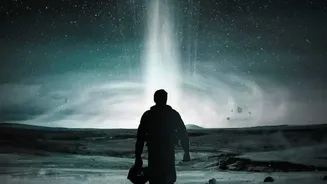
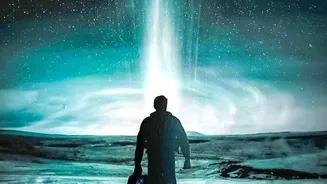
At their core, the best of these films use futuristic or otherworldly concepts to ask timeless questions about our own existence. ‘Arrival’, for instance, isn't really a movie about aliens; it's a profound meditation on how language shapes our perception of time, love, and grief. Similarly, ‘Interstellar’ uses the high-stakes backdrop of space exploration to examine themes of love, sacrifice, and the tension between individual survival and the future of humanity. These are not simple action movies set in space. They are philosophical inquiries disguised as blockbusters. They tackle concepts that have fascinated thinkers for centuries: Are we alone? What is the nature of consciousness? Can love transcend the physical laws of the universe? This philosophical depth provides a richer, more lasting experience that resonates long after the credits roll.
A Canvas for Cinematic Genius
Conveying abstract ideas like non-linear time or the nature of consciousness requires extraordinary filmmaking. These movies are often showcases for visionary directors who use every tool at their disposal—from groundbreaking visual effects to innovative sound design—to make the impossible feel tangible. Think of the silent, awe-inspiring journey through the Star Gate in ‘2001: A Space Odyssey’ or the haunting, beautiful shimmer of the unknown territory in ‘Annihilation’. These films use the full power of cinema to create immersive, atmospheric worlds that are as crucial to the story as the plot itself. The visual and auditory spectacle isn't just eye candy; it's a fundamental part of the storytelling, allowing the audience to feel the weight of these complex ideas on a sensory level. This makes the experience deeply visceral, not just intellectual.
The Streaming Effect: Pause, Rewind, Dissect
The rise of streaming platforms has been a major boon for this particular subgenre. Complex films that benefit from multiple viewings are perfectly suited for on-demand access. Viewers can now easily pause to discuss a confusing plot point, rewind to catch a crucial piece of foreshadowing, or watch the film again the next day to develop a new theory. Streaming services have made these often-niche films more accessible to a global audience, removing the barrier of a limited theatrical run. This accessibility fosters a dedicated online community of fans who share theories, explanations, and analyses on forums and social media, further enriching the viewing experience. The ability to dissect these movies at one's own pace has transformed them from fleeting cinema trips into long-lasting intellectual hobbies.