







The End of an Era for the ISS
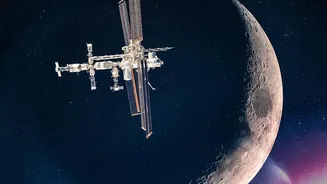
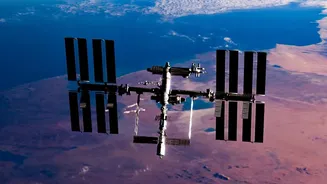
Since November 2000, the International Space Station has been continuously occupied, a football-field-sized symbol of global cooperation and scientific achievement. But after three decades of service, the orbiting laboratory is showing its age. Citing
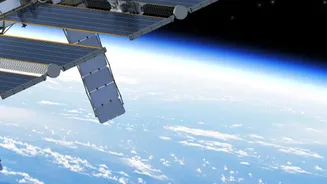
rising maintenance costs and structural fatigue, NASA and its partners have scheduled the ISS for retirement. The plan is to perform a controlled deorbit around 2030, guiding the station to a fiery reentry over a remote part of the Pacific Ocean known as the 'spacecraft graveyard'. While there is still a tremendous amount of science to be conducted in its final years, the focus has firmly shifted to what comes next.
NASA's New Role: From Owner to Customer
Instead of building a new government-owned station, NASA is pivoting its strategy. Through its Commercial Low-Earth Orbit Destinations (CLD) program, the agency is fostering a private marketplace for space habitats. The goal is to transition from being an owner and operator to becoming just one of many customers, purchasing services like research time and crew accommodation from commercial providers. This approach frees NASA to focus its resources on deep space exploration, such as the Artemis missions to the Moon and beyond, while ensuring a continuous American presence in low-Earth orbit (LEO). To kickstart this new economy, NASA has awarded hundreds of millions of dollars to several companies to accelerate the design and development of their stations.
Meet the New Neighbors in Orbit
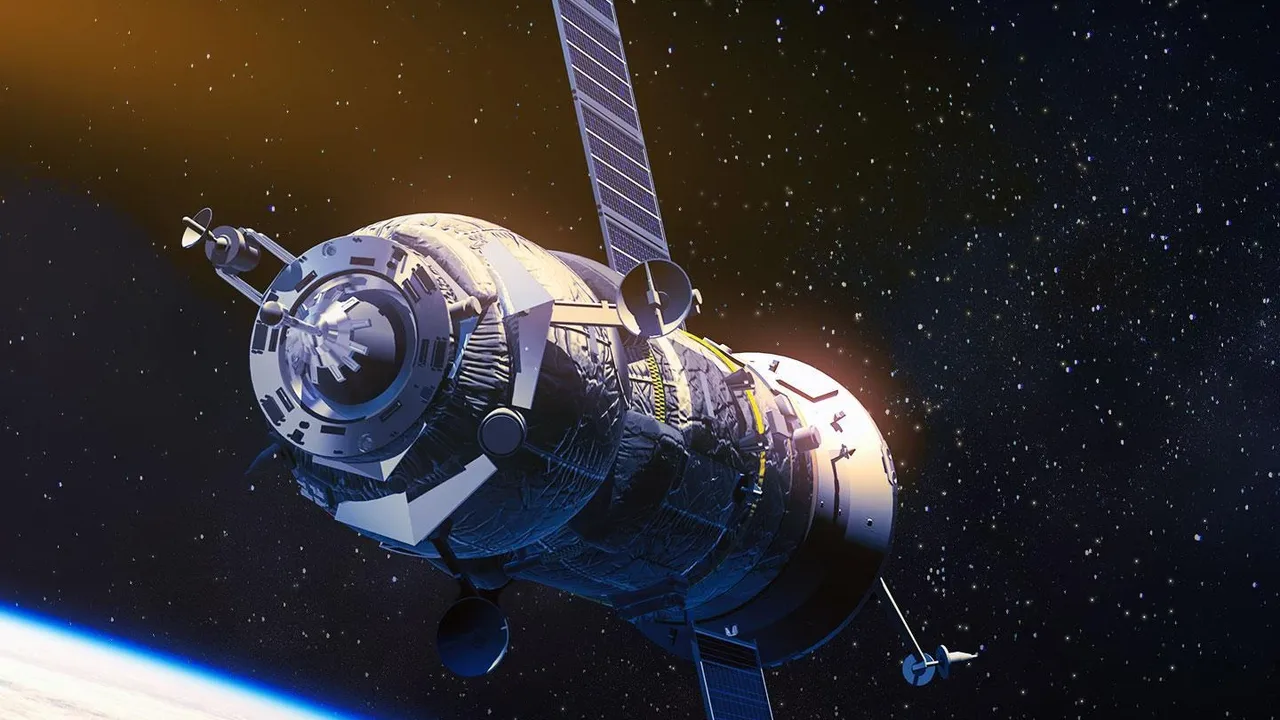
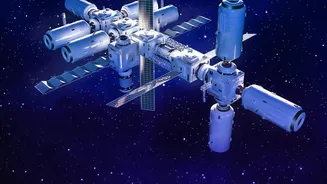
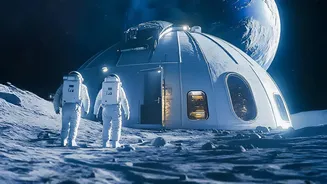
Several key players have emerged in the race to build the first commercial space outposts. Axiom Space is taking a unique approach by first attaching its own commercial modules to the ISS, starting around 2026 or 2027. These modules will later detach to form the free-flying Axiom Station before the ISS is retired. Another major contender is Starlab, a joint venture between US-based Voyager Space and European aerospace giant Airbus. They are developing a single, large station designed for a single launch aboard a SpaceX Starship, planned for no earlier than 2029. The Orbital Reef project, led by Blue Origin and Sierra Space, envisions a 'mixed-use business park' in space with modules for science, manufacturing, and tourism, though its development pace has been uncertain.
A Business Park in the Sky
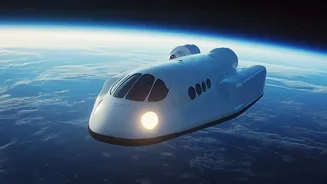
These new stations are being designed for a much broader range of activities than the primarily science-focused ISS. The business model for outposts like Orbital Reef and Axiom Station includes not just government-funded research but also a diverse portfolio of commercial ventures. This includes in-space manufacturing of unique materials like fiber optics or bioprinted organs, which benefit from the microgravity environment. Other potential markets include media production, a new frontier for entertainment, and of course, space tourism for wealthy adventurers. Axiom Space has already demonstrated the viability of the private astronaut market by flying multiple crewed missions to the ISS.
The Race Against the Clock
The transition to commercial stations is not without significant challenges. The primary concern is timing. There is a very real risk of a 'space station gap' if no commercial outpost is fully operational and certified for crew before the ISS is decommissioned. Such a gap would mean the U.S. loses its continuous human presence in LEO for the first time in 30 years. Development timelines are ambitious, and space hardware development is notoriously prone to delays. Lawmakers have expressed concern, asking NASA for contingency plans, which could include extending the life of the ISS beyond 2030, though this would come with its own costs and risks.