





The Urban Heat Island Effect
You’ve felt it before: the wave of heat that radiates from roads and buildings long after the sun has set. This phenomenon is called the Urban Heat Island (UHI) effect, where cities become significantly hotter than surrounding rural areas. A major culprit
is the vast expanse of dark, paved surfaces. Traditional asphalt can absorb 80-95% of the sunlight that hits it, reaching scorching temperatures and slowly releasing that stored heat throughout the night. In many cities, paved surfaces make up roughly a third of the total land area, creating a massive, heat-trapping network that raises air temperatures, increases energy consumption for air conditioning, and poses serious health risks.
Painting the Town Cool
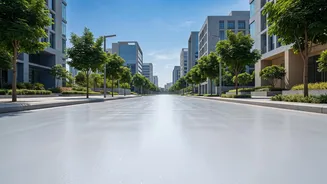
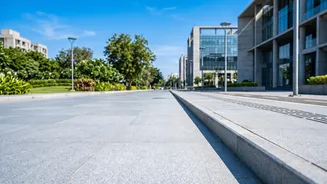
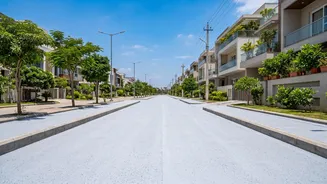
Enter 'cool pavements.' The concept is simple and is based on a property called albedo, which is a measure of how much solar radiation a surface reflects. A surface with high albedo (closer to 1) reflects more light and heat, while a low-albedo surface (closer to 0) absorbs more. By applying special reflective coatings, cities can dramatically increase the albedo of their streets. These coatings, often grey or other light colours, work like a white T-shirt on a sunny day, reflecting solar energy back into the atmosphere instead of absorbing it. This keeps the pavement surface itself cooler, which in turn helps to lower the ambient air temperature when deployed on a large scale.
What Are 'Bio-Engineered' Coatings?
The term 'bio-engineered' refers to a new generation of coatings that prioritize sustainability. While some reflective coatings are based on conventional polymers and chemicals like titanium dioxide, the industry is increasingly moving toward formulations derived from renewable, biological sources. These bio-coatings use raw materials like plant oils, starches, and agricultural waste instead of fossil fuels. The goal is to create products that not only perform well but also have a smaller carbon footprint and lower toxicity. These advanced materials often cure at lower temperatures, saving energy during application, and are designed to be more compatible with a circular economy. So, a bio-engineered reflective pavement combines the heat-fighting power of high albedo with the environmental benefits of sustainable materials.
Real-World Results and Benefits
Cities around the world, particularly those in hot climates like Los Angeles and Phoenix in the US, have been experimenting with this technology. Studies show that cool pavements can lower surface temperatures by 10-12°F (about 5.5-6.7°C) or even more during the hottest parts of the day. Beyond cooling, these pavements offer other advantages. The increased reflectivity improves nighttime visibility, which can reduce the need for street lighting by more than 30% and enhance driver safety. Cooler pavements also undergo less thermal expansion and contraction, which can lead to a longer service life and reduced maintenance costs over time. Some advanced coatings even have pollution-reducing properties, reacting with vehicle exhaust in the presence of sunlight to convert pollutants into less harmful substances.
Challenges and Considerations
However, reflective pavements are not a magical solution. One significant finding from studies in cities like Phoenix is that while the pavement surface gets cooler, the reflected sunlight can sometimes increase the heat felt by pedestrians at street level. This means the technology may be a 'maladaptation' if used in high-traffic pedestrian areas like parks or plazas without adequate shade. There are also concerns about cost, the energy required to manufacture the coatings, and potential glare, which can be uncomfortably bright for drivers and pedestrians. For these reasons, experts now recommend a strategic approach, using cool pavements on wide residential streets or large parking lots and combining them with other cooling strategies, most importantly, planting more trees to provide shade.