




The Rise of Plant-Based Whole Foods
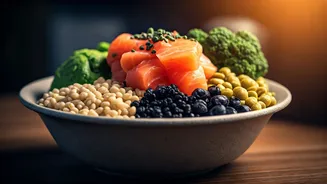
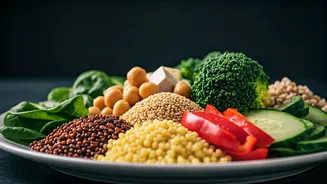
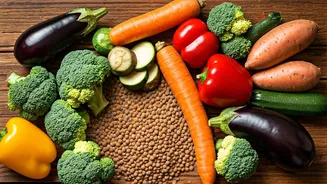
One of the most significant shifts seen online is the move away from simply replacing meat with processed substitutes. The new focus is on plant-based whole foods (PBWF). Think vibrant bowls filled with quinoa, roasted sweet potatoes, chickpeas, leafy
greens, and a drizzle of tahini dressing. Influencers and home cooks are championing meals built from ingredients that are as close to their natural state as possible. This trend ditches the hyper-processed vegan burgers in favour of meals that are naturally rich in fibre, vitamins, and minerals. The appeal is both aesthetic and nutritional; these colourful dishes are incredibly photogenic and packed with nutrients that support overall wellness. It’s a return to basics, proving that a vegetarian diet can be simple, satisfying, and profoundly nourishing without relying on a factory.
‘Eat the Rainbow’ for Gut Health
The phrase “eat the rainbow” has been a nutrition staple for years, but social media gave it a visual platform. This trend encourages eating a wide variety of colourful fruits and vegetables, which is a simple way to ensure a broad spectrum of nutrients. Each colour corresponds to different phytonutrients and antioxidants. Reds (like tomatoes and bell peppers) contain lycopene, while oranges (like carrots and pumpkin) offer beta-carotene, and deep blues and purples (like blueberries and brinjal) are rich in anthocyanins. This visual approach to meal planning is not just for show; it’s directly linked to improved gut health. A diverse intake of plant fibres feeds a wider range of beneficial gut bacteria, which is crucial for digestion, immunity, and even mental well-being. Creators showcase this by building stunning salads, smoothie bowls, and grain bowls that are as beautiful as they are beneficial.
Meatless Mondays and Flexitarianism
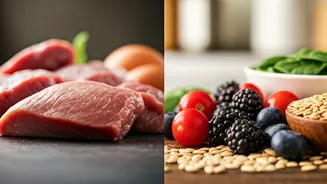
The concept of “Meatless Monday” isn’t new, but social media has supercharged its reach, turning it into a global weekly challenge. It’s an accessible entry point for those curious about reducing their meat consumption without the pressure of a full-time commitment. This has fuelled the rise of flexitarianism—a primarily vegetarian diet that occasionally includes meat or fish. On platforms like Instagram and TikTok, hashtags like #MeatlessMonday and #FlexitarianDiet are filled with simple, delicious recipes that make the transition easy. You’ll find everything from hearty lentil shepherd's pie to spicy black bean burgers. The trend's success lies in its inclusivity and lack of dogma. It frames plant-based eating not as an all-or-nothing choice, but as a flexible and positive addition to any lifestyle, reducing environmental impact and improving health one meal a week.
Smart and Sustainable Meal Prepping
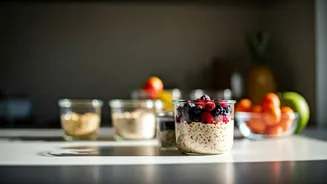
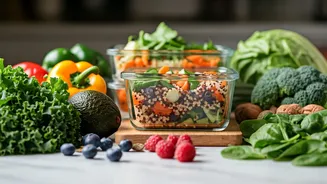
Healthy eating intentions can easily be derailed by a busy schedule. Enter the Sunday meal prep trend. Social media is filled with satisfying time-lapses of users prepping a week’s worth of healthy vegetarian meals. This isn't just about cooking a big pot of dal or rice. It involves a strategic approach: chopping vegetables, cooking grains, roasting proteins like tofu or paneer, and mixing dressings, all stored in neat containers. This habit ensures that a healthy, home-cooked meal is always the most convenient option, preventing impulsive unhealthy choices. Furthermore, it’s a sustainable practice that helps reduce food waste by encouraging people to plan their purchases and use up all their ingredients. The visual organisation is immensely appealing, turning a kitchen chore into a mindful ritual that sets the week up for success.
The Global Pantry Approach
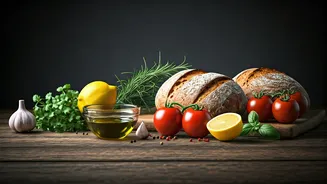
Social media has democratised global cuisine, making it easier than ever to explore the world’s rich vegetarian traditions. Indian food, with its incredible variety of lentil, legume, and vegetable dishes, has long been a haven for vegetarians. Now, a wider audience is discovering the plant-forward flavours of other cuisines. Think Korean gochujang-spiced tofu, Mexican dishes centred on beans and corn, Ethiopian wat stews made with lentils, and Mediterranean meals built around vegetables, olive oil, and whole grains. Food bloggers and creators are breaking down these recipes, making them less intimidating for the average home cook. This trend moves beyond a single definition of vegetarianism, celebrating the diverse and delicious ways cultures around the world have embraced plant-based eating for centuries.