




Choosing between a serene glide across the water and a vigorous climb to a scenic overlook is a great problem to have. Both are fantastic workouts, but when it comes to pushing your cardiovascular limits, one has a clear, scientific edge.
The Uphill Battle for Your Heart
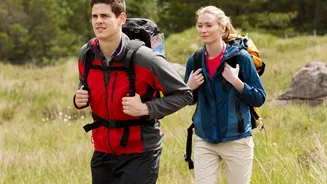
Steep hiking
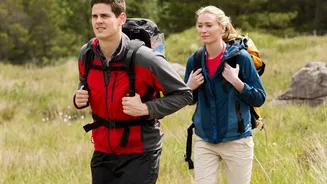
is essentially a form of high-intensity interval training (HIIT) delivered by nature. When you ascend a sharp incline, you force your body into a state of high exertion. This demands a rapid increase in heart rate to pump oxygen-rich blood to the large, powerful muscle groups in your legs and glutes, which are doing most of the work. Your heart has to work significantly harder to meet this sudden, high oxygen demand. This pushes you into higher heart rate zones—specifically Zone 4 (80-90% of your max heart rate) and sometimes even Zone 5 (90-100%) during the toughest sections. This type of training is excellent for improving your VO2 max, which is the maximum amount of oxygen your body can utilize during intense exercise and a key indicator of cardiovascular fitness. The short breaks you take or the flatter sections of the trail act as recovery intervals, allowing your heart rate to drop before the next climb, mimicking a classic HIIT workout structure.
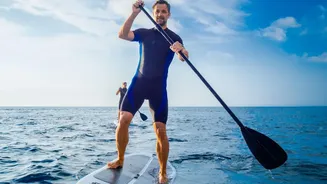
The Steady Glide of Paddleboarding
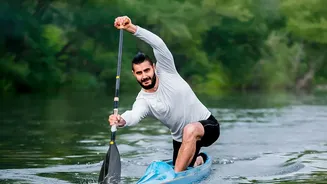
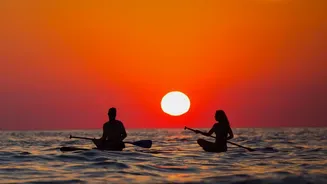
Relaxed paddleboarding, by contrast, is a classic example of low-intensity steady-state (LISS) cardio. While it provides an excellent full-body workout by engaging your core for balance and your back, shoulders, and arms for paddling, the cardiovascular demand is typically lower and more consistent. During a calm paddle, your heart rate generally stays within Zone 2 (60-70% of your max) or Zone 3 (70-80%). This steady effort is fantastic for building aerobic endurance, improving the body's ability to burn fat for fuel, and promoting cardiovascular health without placing major stress on the system. A study on novice paddleboarders found significant improvements in aerobic and anaerobic fitness after a six-week training program, confirming it's an effective workout. However, because it doesn't typically involve the sharp spikes in intensity seen in steep hiking, it doesn't challenge the heart's peak capacity in the same way.
Intensity, Intervals, and Afterburn
The core difference lies in intensity. The interval nature of steep hiking—pushing hard up a hill, then recovering—creates a greater challenge for the heart and leads to more significant improvements in peak aerobic capacity (VO2 max). Furthermore, high-intensity exercise like a tough hike triggers a greater 'afterburn' effect, known scientifically as Excess Post-exercise Oxygen Consumption (EPOC). Your body has to work harder to recover—replenishing oxygen stores, repairing muscle tissue, and rebalancing hormones—which means it continues to burn calories at an elevated rate for hours after you've finished. While LISS activities like paddleboarding also have an EPOC effect, research consistently shows it is significantly smaller and shorter-lived compared to that from high-intensity workouts. So, while a long paddle may burn a good number of calories during the activity itself, the steep hike provides a greater metabolic impact that lasts well beyond the trail.
More Than Just a Heartbeat
It’s important to remember that peak heart fitness isn't the only metric of a good workout. Relaxed paddleboarding is exceptionally low-impact, making it a wonderful option for those with joint concerns or on recovery days. It is also a superior workout for building core stability and balance, as the constant micro-adjustments required to stay upright on the board engage deep stabilizing muscles throughout your trunk. Hiking, especially on uneven terrain, also builds balance and strengthens bones due to its weight-bearing nature, but the full-body, core_centric engagement of paddleboarding is unique. Both activities offer profound mental health benefits from being in nature, which can reduce stress and improve overall well being. Ultimately, the 'better' workout is a personal choice that depends on your specific goals, fitness level, and what you genuinely enjoy.