







From Buzzword to Business as Usual
For years, AI in hiring was a niche topic. Now, it's the standard operating procedure. India has become a global leader in this shift, with around 72% of organisations integrating AI into their HR software, significantly higher than the global average.
This adoption isn't just happening in large tech firms; it's across all sectors, from startups to manufacturing. The reason is simple: Indian companies face a unique challenge of massive applicant volumes for a single role, sometimes in the thousands. Manually screening this flood of CVs is impossible, making AI-powered tools for sourcing, screening, and scheduling not just helpful, but necessary to stay competitive.
The AI Toolkit for Recruiters
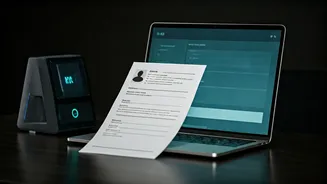
When we talk about 'AI in hiring', it’s not one single technology. It's a suite of tools designed to make recruitment faster and more data-driven. The most common application is the Applicant Tracking System (ATS), which automatically screens and ranks resumes based on keywords and qualifications. Beyond that, AI-powered chatbots now conduct initial interviews, platforms analyse video interviews for soft skills, and predictive analytics tools forecast a candidate's potential success in a role. These technologies promise to reduce the time-to-hire from weeks to days, cut recruitment costs, and give recruiters more time to focus on strategic tasks rather than administrative work.
The Double-Edged Sword of Bias
One of the biggest selling points of AI in recruitment was its potential to eliminate human bias. The logic was that an algorithm, unlike a human, wouldn't be swayed by a candidate's name, gender, or background. However, the reality is more complicated. AI systems learn from data, and if that data reflects historical hiring biases, the AI can learn and even amplify them. For example, an AI trained on a company’s past hiring decisions in a male-dominated field might penalise resumes that include words associated with women. Recent large-scale studies have confirmed that some AI hiring tools can be biased against certain racial groups, creating a systemic barrier for applicants. This risk means that human oversight and regular audits of these systems are critical.
How Job Seekers Can Navigate the New Landscape
For candidates, the rise of AI hiring means the old rules no longer apply. Getting past the initial AI screening is the first hurdle. To do this, your resume needs to be 'ATS-friendly'. This means using simple, clean formatting without tables, graphics, or fancy fonts that can confuse the software. It is also crucial to tailor your resume for each application by incorporating specific keywords and phrases from the job description. If you're invited to a video interview, be aware that AI may be analysing your speech and expressions, though the focus is increasingly shifting towards skills-based assessments over such subjective measures. Despite the technology, human connection still matters. In fact, many candidates and employers agree that final decisions and evaluations of cultural fit require human judgment.