




The Fibre and Nutrients in Your Peels
The most compelling reason to stop peeling every vegetable is the significant boost in dietary fibre. The skins of produce can contain up to a third of the total fibre. For instance, a potato skin contains about half of the potato's total fibre. That
fibre is crucial for digestive health, and because it helps you feel fuller for longer, it can also aid in appetite control. But the benefits don't stop there. Vegetable peels are also packed with vitamins and minerals. A boiled potato with its skin on can contain significantly more vitamin C, potassium, and folate than its peeled counterpart. Similarly, an apple peel contains dramatically more Vitamin K, Vitamin A, and Vitamin C than the flesh alone. The protective outer layer of a plant is its first line of defence, and so it's often where it concentrates powerful antioxidant compounds that can help our bodies combat cellular damage.
Which Peels Should You Be Eating?
Not all peels are created equal, but many common ones are perfectly edible and delicious. The skins of potatoes, sweet potatoes, carrots, cucumbers, and zucchini are easy entry points into peel-on cooking. Roasted carrots, for example, develop a deeper, sweeter flavour when cooked with their skins on. Cucumber peels are rich in vitamin K and fibre, adding a nutritional punch to salads and smoothies. Even the fuzzy skin of a kiwi is edible and adds a substantial amount of fibre, folate, and vitamin E. Other peels to save include those from eggplants, parsnips, and even citrus fruits. While you wouldn't eat an orange peel whole, its zest is packed with flavour and vitamin C, perfect for dressings and baked goods. Some peels, like those from onions, are generally too tough to eat directly, but they are fantastic for adding colour and nutrients to homemade stocks and broths. However, you should avoid peels that are excessively tough, bitter, or difficult to clean, such as those from pineapples, melons, or avocados.
Addressing the Pesticide Concern
A common hesitation around eating peels is the potential for pesticide residue. It's a valid concern, but one that can be managed. The most effective first step is to wash your produce thoroughly. Rubbing vegetables under cool running water is more effective at removing surface residues than simply dunking them. For firm produce like potatoes or carrots, using a stiff vegetable brush can provide extra cleaning power. While commercial vegetable washes exist, studies have shown that they are generally no more effective than plain water. For certain produce, a soak in a baking soda or salt water solution can also help reduce pesticide levels. If it's within your budget, choosing organic for produce where you plan to eat the skin, especially thin-skinned items, can provide additional peace of mind. However, experts agree that the benefits of eating a wide variety of fruits and vegetables, even with conventional farming methods, far outweigh the risks.
Simple Ways to Incorporate Peels
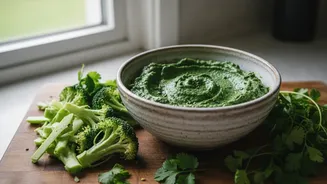
Getting started with zero-waste peel cooking is easier than you think. The simplest method is to just stop peeling. Try making mashed potatoes with the skins on for a rustic texture and added nutrients. You can also start saving your peels for specific uses. Collect clean potato, sweet potato, and parsnip peels, toss them with a little oil and your favourite spices, and roast them in a hot oven or air fryer until they are golden and crispy. These peel crisps make a fantastic snack or a crunchy topping for soups and salads. Vegetable scraps like onion skins, carrot peels, and celery ends can be collected in a bag in the freezer. Once you have a good amount, simmer them in water with herbs to create a deeply flavourful and free vegetable broth. You can even blend well-cooked peels from things like carrots or broccoli stems into soups and purees to add thickness and a hidden layer of nutrition.