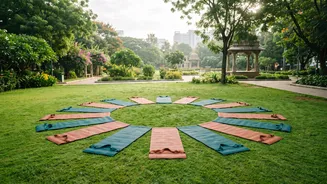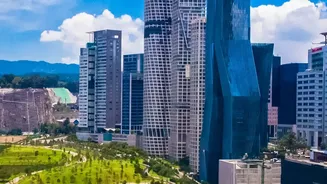



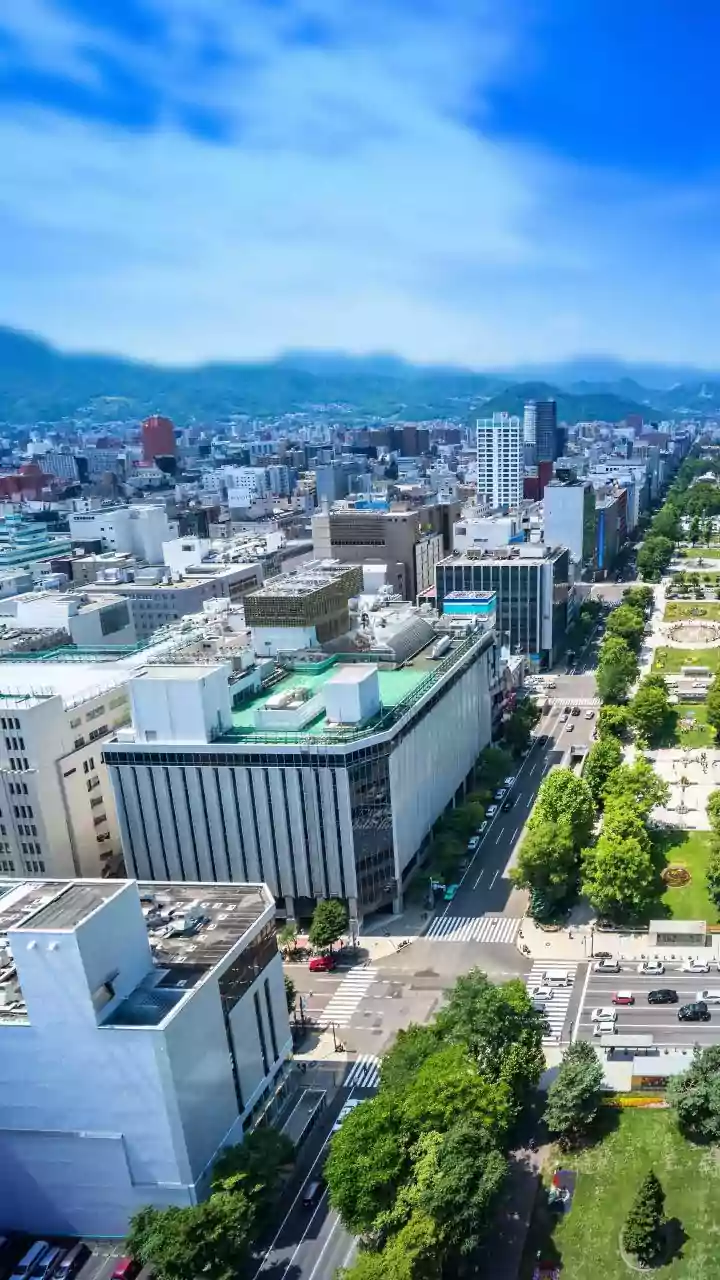

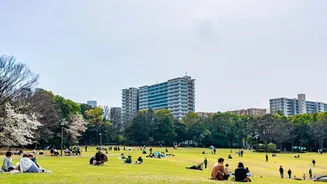
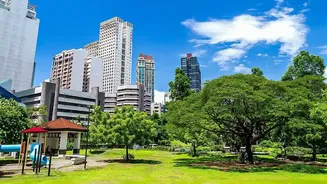
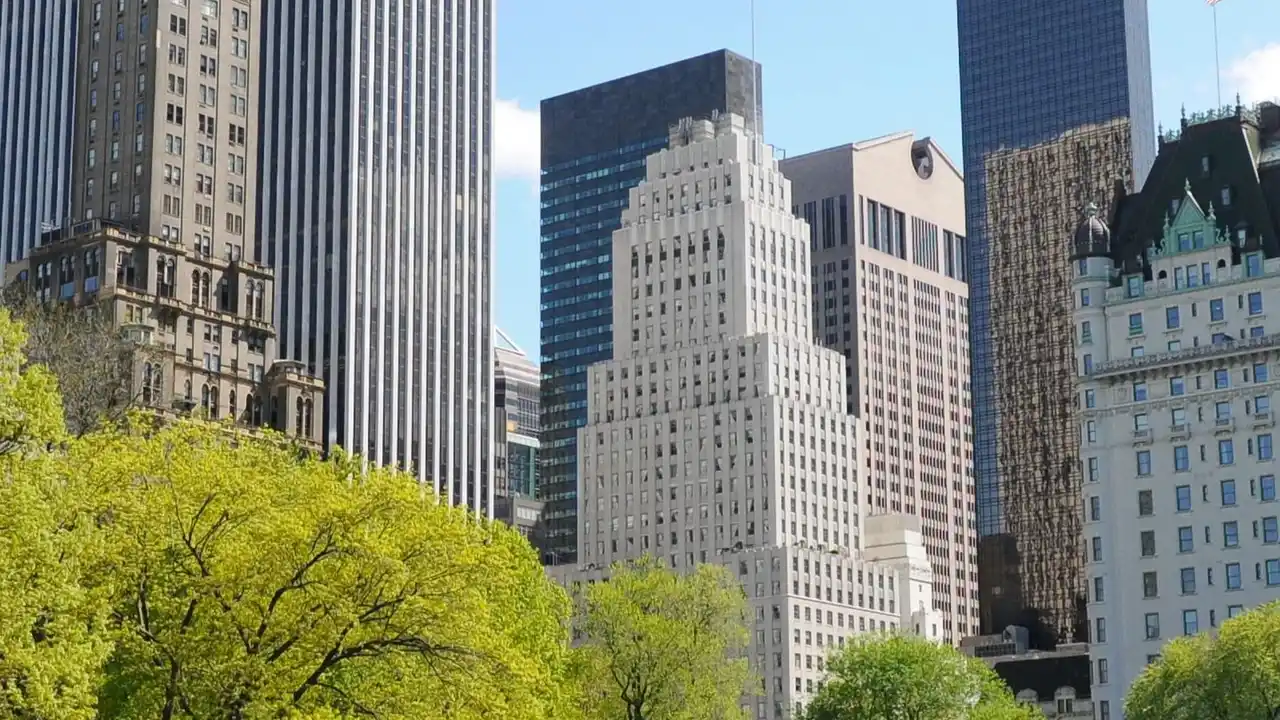
In the concrete landscape of modern cities, finding space for health and well-being can be a challenge. For millions, the answer lies just around the corner in a public park, a vital green lung for accessible daily exercise and recreation.
The Open-Air Gymnasium
For many city
residents, a gym membership is a luxury, but public parks offer a free and accessible alternative. They are democratic spaces where anyone can get active, regardless of income. Parks provide safe, car-free zones for jogging, walking, and cycling. Many now feature designated fitness areas with outdoor equipment, walking loops designed for all ages, and courts for sports like basketball or tennis. This infrastructure encourages regular physical activity, which is linked to numerous health benefits, including reduced obesity, lower blood pressure, and better cardiovascular health. Proximity is key; people who live closer to parks are more likely to use them for physical activity, turning a daily walk or run into a simple, sustainable habit.
A Crucial Boost for Mental Wellness
Beyond physical fitness, the mental health benefits of urban green spaces are profound. In an environment often filled with noise and sensory overload, parks offer a quiet reprieve. Research shows that spending time in nature can significantly reduce stress, anxiety, and symptoms of depression. This concept, sometimes called 'biophilia' or the innate human need to connect with nature, suggests we are hardwired to find natural environments restorative. A simple walk in a park can lower activity in the part of the brain associated with negative, repetitive thoughts, offering a mental reset that is hard to find elsewhere in a bustling city.
The Heartbeat of the Community
Parks are more than just collections of trees and benches; they are social infrastructure that builds stronger communities. They are natural gathering places where neighbors meet, children play, and friendships form. From farmers' markets and community gardens to outdoor concerts and festivals, parks host events that bring people together from all walks of life, fostering a sense of belonging and civic pride. These shared spaces help break down social barriers and reduce loneliness, which studies have linked to improved overall health and well-being. Well-used parks often correlate with increased neighborhood safety, as the constant positive activity creates a sense of shared ownership and vigilance.
Designed for Accessibility and Inclusion
The value of a park is directly tied to its accessibility. Modern urban planning increasingly recognizes that to serve the entire community, parks must be designed for everyone, regardless of age or ability. This means including features like smooth, wide pathways for wheelchairs and strollers, adaptive playground equipment for children with disabilities, and ample seating for older adults. An inclusive design ensures that the physical, mental, and social benefits of recreation are not limited to a select few. When parks are welcoming and usable for all, they become truly democratic spaces that enhance the quality of life for every resident in the community.
An Economic and Environmental Asset
While the health benefits are clear, public parks also deliver significant economic and environmental advantages. They are known to increase the value of nearby properties, which in turn can boost municipal revenue. Parks also attract tourism and drive foot traffic to local businesses. Environmentally, these green spaces act as the lungs of a city, improving air quality by filtering pollutants. They also help manage stormwater by absorbing rainwater and mitigate the 'urban heat island' effect, where dense concentrations of pavement and buildings make cities warmer than surrounding areas. This makes parks a crucial investment in creating more resilient and sustainable cities.