



Why More Fibre Matters
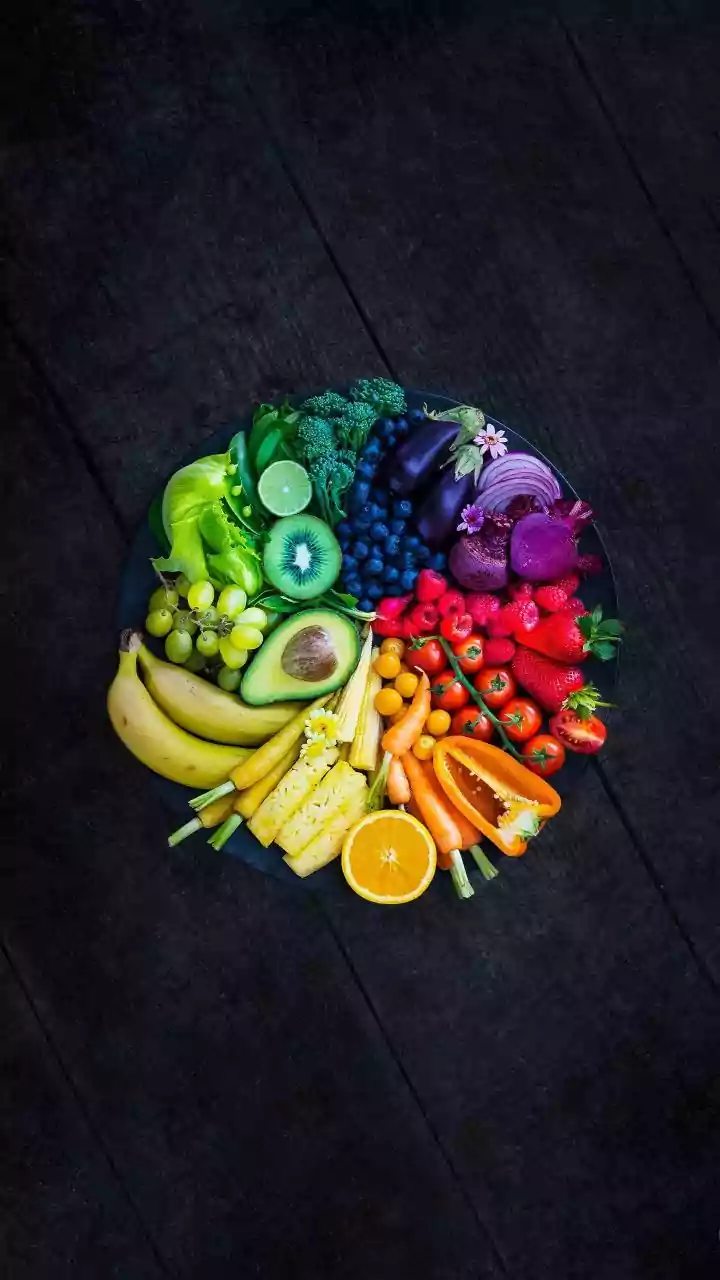
Dietary fibre, found mainly in plant-based foods, is essential for a healthy diet. It's best known for aiding digestion and preventing constipation, but its benefits are far-reaching. A high-fibre diet can help in maintaining a healthy weight, lowering
the risk of diabetes and heart disease, and improving blood sugar levels. There are two types: soluble fibre (found in oats, beans, and fruits) which helps lower cholesterol, and insoluble fibre (in whole grains and vegetables) which adds bulk and promotes regularity. The goal isn’t to completely change your diet overnight, but to make small, consistent upgrades.
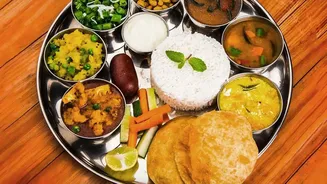
Reinventing Your Roti
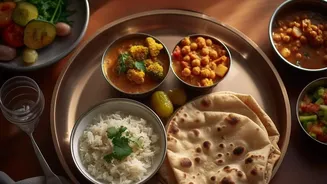
The daily chapati is the perfect place to start. While whole wheat atta is a good base, you can easily enhance its fibre content. Try replacing a portion of your regular atta with millet flours like jowar (sorghum), bajra (pearl millet), or ragi (finger millet). These traditional grains are packed with fibre, iron, and other vital nutrients. Another simple trick is to add a tablespoon of besan (gram flour) or powdered oats to your dough, which increases both protein and fibre, helping you feel full for longer. For an almost unnoticeable boost, mix in finely grated vegetables like carrots, spinach, or lauki (bottle gourd) into the dough. Even adding a spoonful of ground flaxseed or sesame seeds can make a difference.
Rethinking The Role of Rice
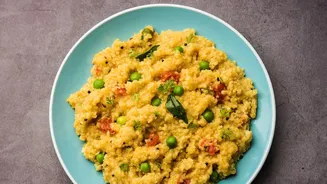
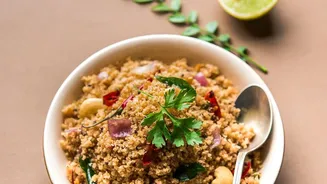
White rice is a staple, but it's a refined grain stripped of most of its fibre. A simple swap is to switch to brown rice, which retains the nutritious bran and germ layers. Beyond that, India’s rich agricultural heritage offers incredible variety. Millets like foxtail millet (kangni) or barnyard millet are excellent, fibre-rich alternatives that can be cooked just like rice. If you're not ready to give up white rice completely, try a mixed approach. Cook your rice with a handful of dal, chickpeas, or vegetables like peas and carrots. This not only adds fibre and nutrients but also texture and flavour to dishes like pulao and khichdi.
Powering Up Your Curries
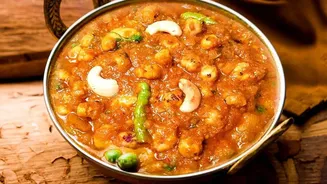
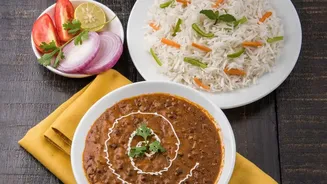
Curries and sabzis are a fantastic vehicle for fibre. The easiest way to upgrade them is to simply increase the quantity and variety of vegetables. Don't be shy with greens like spinach, methi (fenugreek leaves), and amaranth. Root vegetables like carrots and sweet potatoes, and others like bhindi (okra) and beans also add significant fibre. Another powerful strategy is to incorporate more legumes and pulses. Adding a handful of chana (chickpeas), rajma (kidney beans), or lentils to your vegetable or meat curries can bulk them up, increase satiety, and significantly lift their nutritional profile. These ingredients are packed with both fibre and protein, making your meal more balanced and satisfying.
Simple Boosters for Every Meal
Beyond the main components, tiny additions can make a big impact. A sprinkle of roasted flaxseeds, chia seeds, or sesame seeds over your finished dal, sabzi, or even raita adds a crunchy texture along with a dose of fibre and healthy fats. A handful of nuts like almonds or walnuts, or seeds like pumpkin and sunflower, can also be added. Instead of a biscuit with your evening tea, consider a piece of fruit like a guava or an apple, both of which are high in fibre. These small habits, when practiced consistently, compound over time to significantly improve your daily fibre intake without making your diet feel restrictive.