


Planning Your Route to Paradise
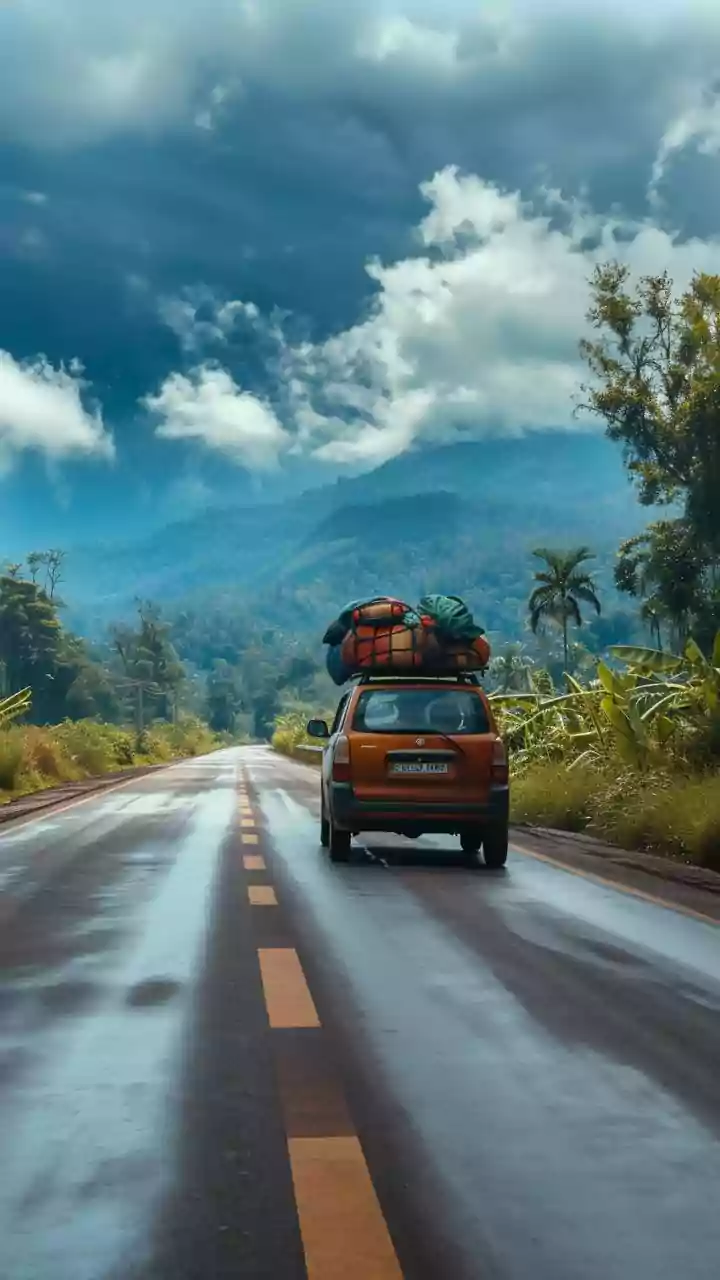
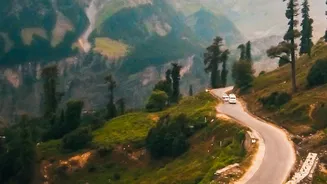
The journey to Sangla and Kalpa is an adventure in itself, primarily undertaken by road. The most common starting point for travellers is Delhi or Chandigarh. From Delhi, the route is approximately 570-600 km and typically requires an overnight stop.
The standard path follows NH5 through Chandigarh, Shimla, Narkanda, and Rampur before reaching the Kinnaur valley. The entire drive can take 15-16 hours. It is advisable to break the journey in Shimla or Narkanda. From Shimla, Sangla is about 238 km away, a drive that can take 8-10 hours due to the mountainous terrain. Kalpa is located about 40-50 km from Sangla, which is another 2-3 hour drive. While there is an airport in Shimla, its connectivity is limited. Chandigarh Airport offers a more reliable option, from where you can hire a taxi or take a bus. The nearest major railway station is in Kalka, from where you can take the famous toy train to Shimla and then proceed by road.
Best Time for Your Visit
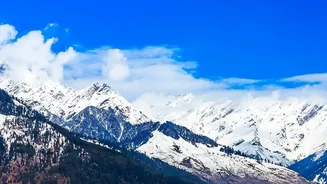
Choosing the right time to visit is crucial for the best experience. The valley has three distinct seasons. Summer (April to June) is the peak tourist season, with pleasant weather ranging from 8°C to 30°C. This period is ideal for sightseeing and outdoor activities as all roads and attractions are open. The second prime window is Autumn (September to October). After the monsoons, the skies are clear, offering crisp views of the snow-clad peaks. This is also the apple harvesting season, painting the valley in vibrant colours. Monsoons (July and August) are generally best avoided due to a high risk of landslides and poor road conditions. Winter (November to March) brings heavy snowfall, and temperatures can plummet well below freezing. While beautiful, many roads, including the one to Chitkul, may close, limiting travel.
Exploring the Sights of Sangla Valley
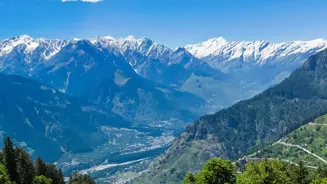
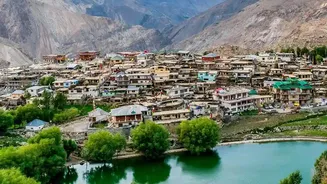
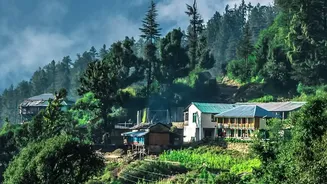
The Sangla valley, also known as Baspa Valley, is home to some of Kinnaur's most picturesque landscapes. A must-visit is Chitkul, famously known as the last inhabited village near the Indo-Tibetan border. The journey from Sangla to Chitkul is about an hour. In Sangla itself, the Kamru Fort is a major attraction. This ancient five-story wooden fort houses a temple dedicated to the goddess Kamakhya Devi and offers panoramic views of the valley. The Bering Nag Temple is another significant religious site. A walk through the Sangla Meadows or along the Baspa River provides a serene experience. For those interested in local crafts, the Tibetan Wood Carving Center is worth a stop.
The Majestic Charm of Kalpa
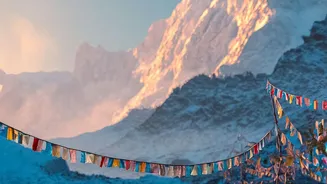
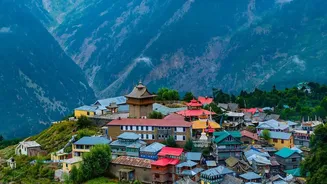
Kalpa is renowned for its breathtaking views of the Kinner Kailash massif, especially at sunrise. A key viewpoint, often dramatically called 'Suicide Point', offers stunning, vertigo-inducing vistas of the valley below. A short drive from Kalpa takes you to the quaint Roghi village, a great place to experience traditional Kinnauri architecture and lifestyle. Within Kalpa, you can visit the Narayan-Nagini Temple, an exquisite example of local craftsmanship, and the Hu-Bu-Lan-Kar Monastery. The town is surrounded by lush apple orchards, and a walk through them is a delightful experience, particularly during the blooming or harvest seasons.
Essential Trip Planning and Accommodation
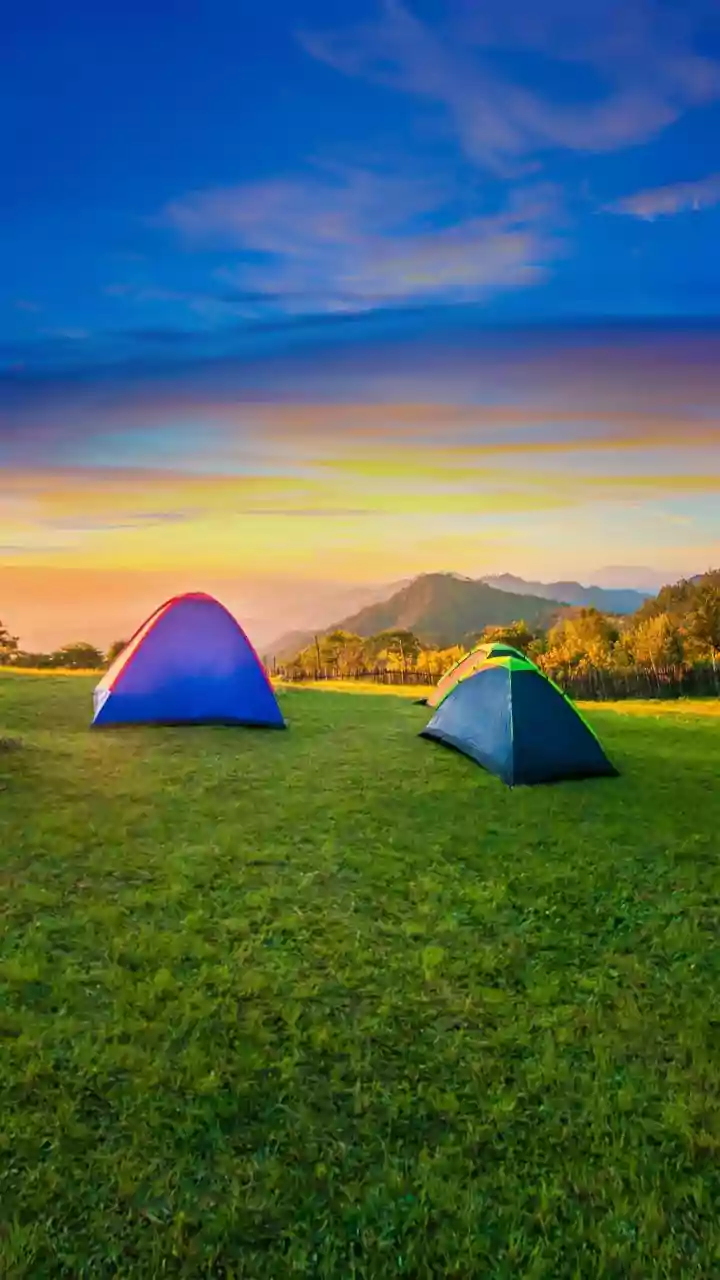
For Indian citizens, no Inner Line Permit (ILP) is required to visit Sangla, Kalpa, and Chitkul. You only need to carry a valid government-issued photo ID for registrations at checkpoints. Foreign nationals do not need a permit for these specific areas either, but a Protected Area Permit (PAP) is required if they plan to travel further into upper Kinnaur or Spiti. Both Sangla and Kalpa offer a range of accommodation, from budget-friendly homestays and guesthouses to mid-range hotels and luxury camps. Popular options include homestays that offer a taste of local hospitality and hotels with direct views of the Kinner Kailash range. It is advisable to book in advance, especially during the peak seasons of summer and autumn. Mobile connectivity can be patchy, and it's wise to have cash on hand as ATM availability is limited, mainly in the main town of Reckong Peo.