





From the Backyard to the Bakery
For decades, a pet treat was a simple, mass-produced biscuit tossed to a good boy. Today, it’s a grain-free, organic “pupcake” with yogurt frosting, custom-ordered for a Corgi’s third birthday. This shift is the engine behind one of the fastest-growing
niches in the $140 billion U.S. pet industry: the curated pet bakery. These specialty shops aren't just selling snacks; they're selling an ethos. They cater to a generation of pet owners who view their animals not as property, but as family members deserving of the same wellness-focused lifestyle they pursue for themselves. This powerful trend, often called the “humanization” of pets, has transformed the treat aisle from a commodity market into a destination for premium, health-conscious indulgence.
The 'Clean Label' Canine
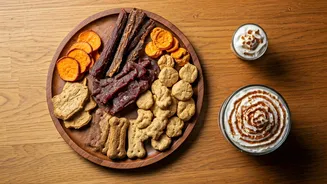
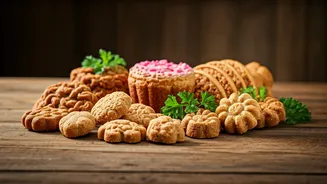
The secret to the success of these bakeries lies in their ingredient lists. Words like “organic,” “preservative-free,” “non-GMO,” and “human-grade” are powerful sales drivers. Modern consumers, particularly Millennials and Gen Z, are hyper-aware of what’s in their own food. They scan labels for artificial colors, fillers like corn and soy, and chemical preservatives. It was only a matter of time before they started doing the same for their pets. Pet bakeries thrive by offering a transparent, wholesome alternative to the opaque ingredient lists of many mass-market treats. They use recognizable ingredients: oat flour instead of mysterious “meal,” real peanut butter (free of xylitol, which is toxic to dogs), fresh pumpkin, and natural sweeteners like honey or molasses. This clean-label approach does more than just appeal to health concerns; it justifies the premium price tag. When a customer understands they are paying for high-quality, thoughtfully sourced ingredients, a $5 decorated cookie for their dog starts to feel less like an extravagance and more like a responsible choice.
Celebrating Furry Family Members
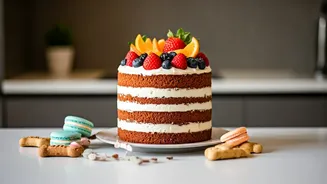
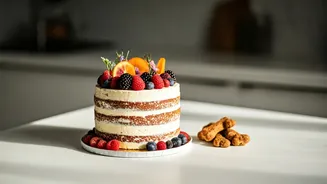
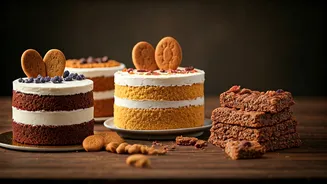
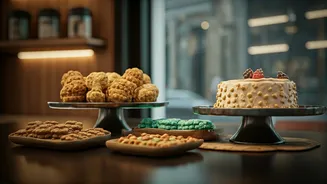
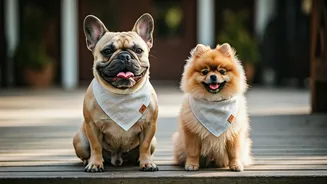
While health is the foundation, celebration is the catalyst for the biggest sales. The rise of pet birthdays, “gotcha day” anniversaries (marking the day a pet was adopted), and holiday celebrations has created a lucrative market for special-occasion treats. These aren't everyday biscuits. They are elaborately decorated, often personalized cakes and cookies that are, crucially, highly photogenic. The visual appeal is a key part of the business model. A pet owner who buys a custom birthday cake for their French Bulldog is almost certain to post pictures of the celebration on social media. This user-generated content becomes powerful, free marketing for the bakery, showcasing their beautiful products to a network of other potential pet-loving customers. These bakeries function as part of the modern celebration economy, turning fleeting moments into shareable, Instagrammable events. The treats are both the centerpiece of the party and the proof that it happened.
The Business of the Barkery
Behind the whimsical frosting and cute cookie shapes is a savvy business strategy. Many pet bakeries start as small, local operations, often founded by passionate bakers or career-changers who spotted the market gap. They build a loyal following through farmers' markets, local events, and a strong online presence. Success hinges on creating a distinct brand identity that communicates quality, care, and community. The physical stores often feel more like high-end human bakeries than traditional pet shops, with beautiful displays, welcoming aesthetics, and knowledgeable staff. The most successful operators blend in-person sales with a robust e-commerce strategy, shipping their more durable treats nationwide. By focusing on a specific, high-value niche, these small businesses can compete effectively against pet-industry giants, building a defensible moat based on quality, customization, and a direct connection with their customers.