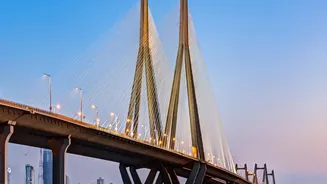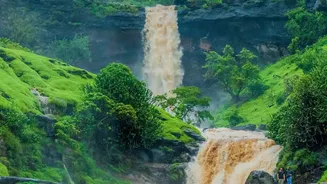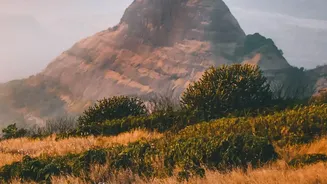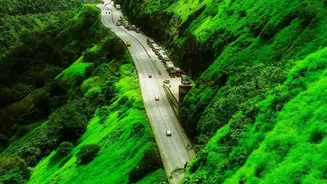





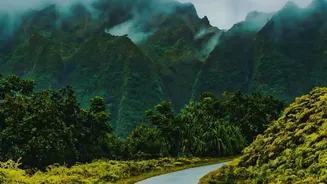
For the Classic Hill Retreat: Lonavala and Khandala
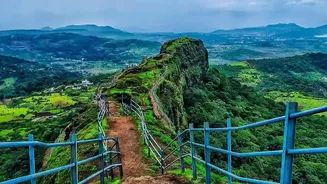
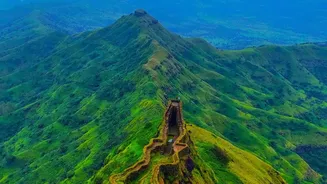
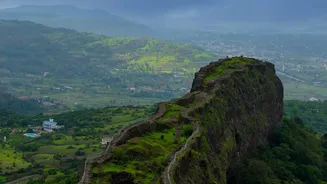
The twin hill stations of Lonavala and Khandala are Mumbai’s most accessible and beloved getaways for a reason. After the monsoons, the landscape is a spectacle of emerald hills, misty valleys, and waterfalls that are still flowing with vigour. The period
from October to February is considered one of the best times to visit, as the weather is pleasant and the surroundings are still incredibly green. Drive up to viewpoints like Tiger's Leap and Duke's Nose for panoramic vistas that are clearer now than during the peak monsoon. You can explore the historic Lohagad Fort or the ancient Karla and Bhaja caves without the disruption of heavy showers. The drive itself, whether on the old highway or the expressway, is a scenic experience, offering glimpses of the rejuvenated Sahyadris at every turn. It’s the perfect option for a quick, hassle-free trip filled with stunning scenery and plenty of local chikki to enjoy.
For the Nature Enthusiast: Igatpuri and Bhandardara
If you want to immerse yourself in nature’s grandeur, the region encompassing Igatpuri and Bhandardara is an unparalleled choice. Post-monsoon, this area is a treasure trove of gushing waterfalls, serene lakes, and some of Maharashtra's highest peaks. Bhandardara, nestled by the Pravara River, is particularly magical after the rains. The Wilson Dam and Arthur Lake are full, reflecting the clear blue skies and verdant surroundings. Key attractions like Randha Falls are still impressive, and the cooler, clearer weather makes it ideal for trekking. Adventure seekers can plan a trek to Ratangad fort or Mount Kalsubai, the highest peak in Maharashtra. The drive from Igatpuri to Bhandardara is an experience in itself, with spots like Bhavli Dam offering incredible views along the way. This destination is for those who don’t mind a slightly longer drive for a rewarding experience of tranquil and dramatic landscapes.
For the Scenic Drive and Waterfalls: Malshej Ghat
Malshej Ghat is legendary for its monsoon beauty, but the post-monsoon period reveals a different, more accessible charm. With the heaviest rains over, the roads are generally in better condition, making the drive safer and more enjoyable. The ghat comes alive during the rains with countless waterfalls, and many of them are still present in October, cascading down the lush hillsides. The weather becomes comfortable, with less rainfall and pleasant temperatures, making it excellent for sightseeing. This mountain pass is also a biodiversity hotspot; it's a fantastic time for birdwatchers, who might even spot migratory species around the Pimpalgaon Joga Dam. For those who love long drives through winding roads flanked by green mountains and breathtaking valleys, a trip to Malshej Ghat in October or November is an unforgettable experience. It offers the best of the monsoon’s beauty without the challenging travel conditions.
For the Coastal Calm: Alibaug
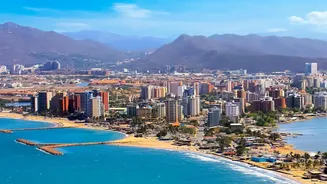
If you're dreaming of sun, sand, and sea after being cooped up during the rains, Alibaug is the perfect coastal escape. The post-monsoon season, particularly from November onwards, is considered the best time to visit. The ferry services from Mumbai, often suspended during heavy rains, are typically operational again, offering a scenic and quick route to this beach town. The weather is pleasant, and the beaches like Nagaon, Varsoli, and Kashid are clean and inviting. You can indulge in water sports, take a leisurely stroll along the shore, or explore the historic Kolaba Fort, which becomes accessible by foot during low tide. The town sheds the monsoon gloom and embraces a more vibrant, sunny disposition, perfect for a relaxing weekend of fresh seafood, beach hopping, and unwinding by the Arabian Sea. It’s a complete change of scenery from the misty hills, offering a different kind of post-monsoon bliss.