




The Allure of Imported Wellness
The wellness world is flooded with trends. One season, it’s all about chia seeds from Mexico; the next, it’s avocados for breakfast, lunch, and dinner. These foods are often backed by slick marketing, celebrity endorsements, and the promise of exotic,
life-changing nutrients. For Indian consumers, this has created a perception that what is foreign must be better. The reality, however, is more complex. These imported goods come with a hefty price tag, not just at the checkout counter but also for the environment. The journey from a farm in another continent to your plate involves long-distance transportation, refrigeration, and preservatives, all of which generate a significant carbon footprint and can reduce the food's freshness and nutritional potency.
The Quiet Power of Eating Seasonally
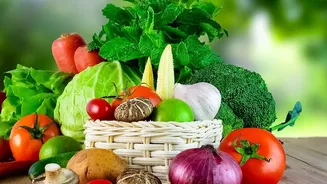
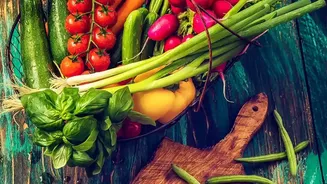
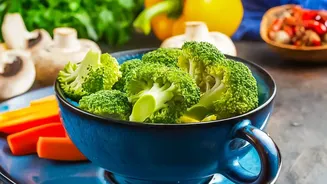
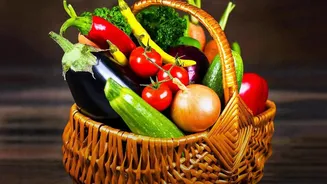
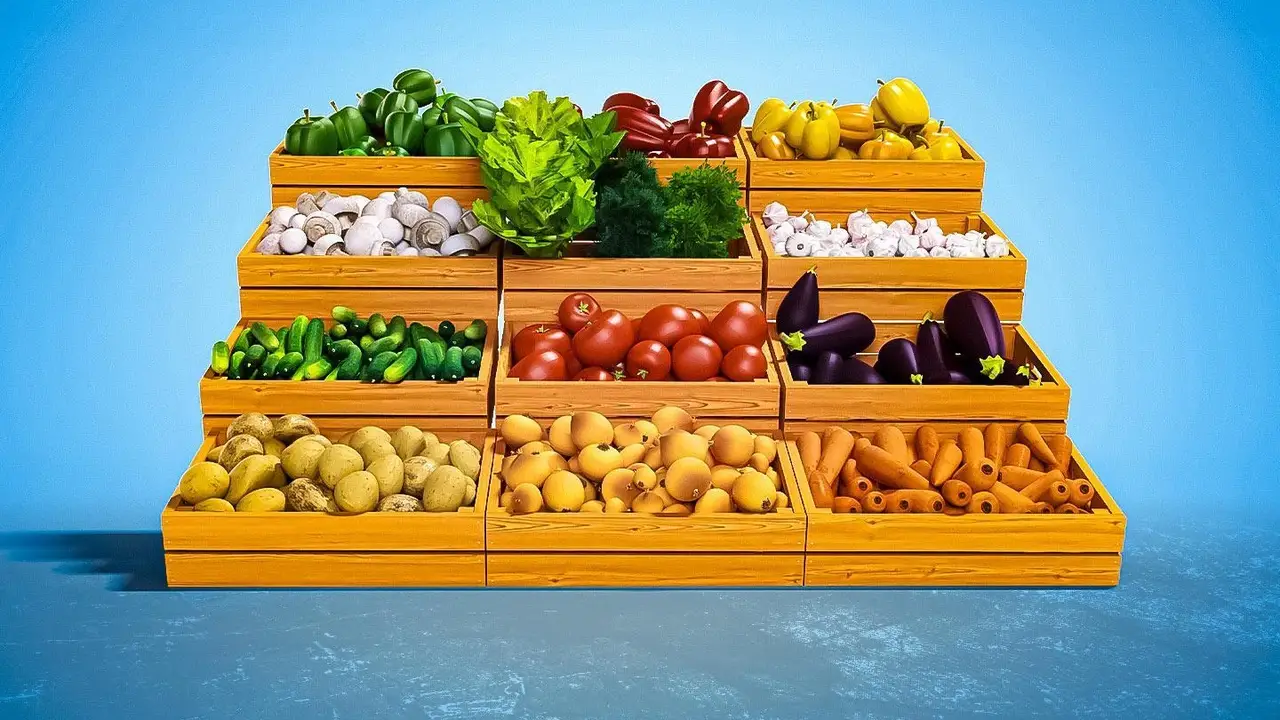
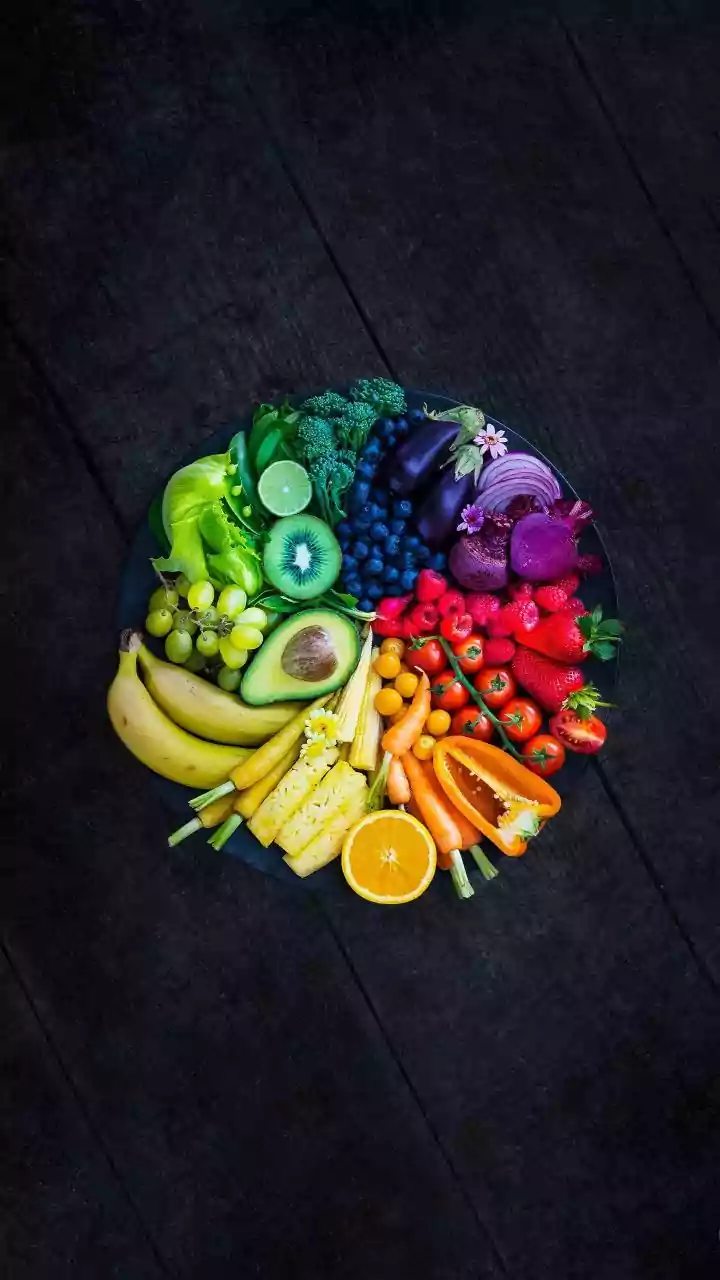
In contrast, eating seasonal produce from local sources offers a host of benefits that are hard to ignore. When fruits and vegetables are harvested at their natural peak, they are fresher, tastier, and packed with the highest possible levels of vitamins and minerals. Produce that travels long distances is often picked before it is fully ripe and its nutrient value can degrade over time. Following nature's clock also means your diet naturally diversifies throughout the year, providing a wide spectrum of nutrients. For instance, cooling, hydrating fruits like watermelon and cucumber appear in the summer, while vitamin C-rich citrus fruits like oranges become abundant in winter, helping to boost immunity when you need it most. Furthermore, when produce is in season, it's abundant, which drives down costs, making it a more budget-friendly option for families.
India's Own Superfood Pantry
The truth is, India has its own incredible arsenal of 'superfoods' that often outperform their expensive, imported counterparts. Before you spend a fortune on quinoa, consider our indigenous millets like jowar (sorghum) or rajgira (amaranth). Rajgira, for instance, is a nutritional powerhouse, outdoing quinoa in its protein, iron, and calcium content. Instead of kale, why not turn to moringa (drumstick leaves)? A staple in South Indian cooking, moringa is loaded with vitamin C, iron, and calcium. Similarly, sabja (basil) seeds offer benefits comparable to chia seeds at a fraction of the cost, and the humble amla (Indian gooseberry) is a vitamin C bomb that easily rivals any exotic berry. Even our local greens, from palak (spinach) to mustard greens, offer immense nutritional benefits, often exceeding those of imported fads.
How to Make the Shift
Embracing seasonal eating doesn't require a radical overhaul of your life. It’s about making small, conscious choices. Start by visiting your local sabzi mandi or farmers' market. Talk to the vendors and ask what has just come in from the farms; their answers are your best guide to what's in season. Plan your meals around these ingredients. Monsoon is a great time for gourds, jamun, and corn. Winter brings a bounty of leafy greens, carrots, and peas. Summer is the season for mangoes, melons, and lychees. By aligning your diet with the local harvest cycle, you not only get the best-tasting and most nutritious food but also support local farmers and reduce your environmental impact.