






The Right Layers Are Your First Defence
The key to comfort in wet weather is effective layering, and the most important rule is to avoid cotton. Cotton absorbs moisture and loses its insulating properties, leaving you cold and increasing the risk of hypothermia. Instead, start with a moisture-wicking
base layer made of merino wool or synthetic fibres like polyester. Wool is an excellent choice as it continues to insulate even when damp. Over this, add an insulating mid-layer, such as a fleece pullover. Your outermost layer is the most critical: a high-quality waterproof and breathable jacket. Look for features like sealed seams and a protective hood. Waterproof trousers are equally important; even a light drizzle can soak your lower half, leading to significant heat loss.
Build Your Foundation With Proper Footwear
Your choice of footwear can make or break a rainy-day hike. Waterproof hiking boots are essential for keeping your feet dry in soggy conditions. However, waterproof boots are less breathable, which can lead to sweaty feet. You can manage this by wearing moisture-wicking wool or synthetic socks and bringing a spare pair to change into. For truly wet and muddy trails, gaiters are an invaluable addition. These protective sleeves wrap around your lower legs and boot tops, preventing water, mud, and debris from getting inside. Good traction is non-negotiable on slick surfaces; look for boots with deep, aggressive lugs on the outsole to provide a confident grip on mud and wet rock.
Protect Your Pack and Essential Gear
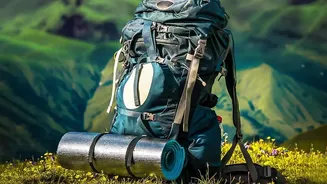
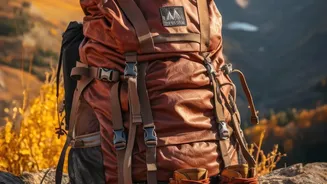
While many backpacks are made from water-resistant materials, they are not fully waterproof, especially in a sustained downpour. Seams and zippers are common weak points where water can seep in. The most effective way to protect your belongings is with a pack rain cover. Many packs come with an integrated cover, but they can also be purchased separately. For an extra layer of security, use lightweight dry sacks inside your backpack to protect your most vulnerable items, such as a down jacket, your phone, and extra clothing. For electronics like your phone or a GPS device, a dedicated waterproof case offers the best protection.
Mastering the Trail: Technique and Tools
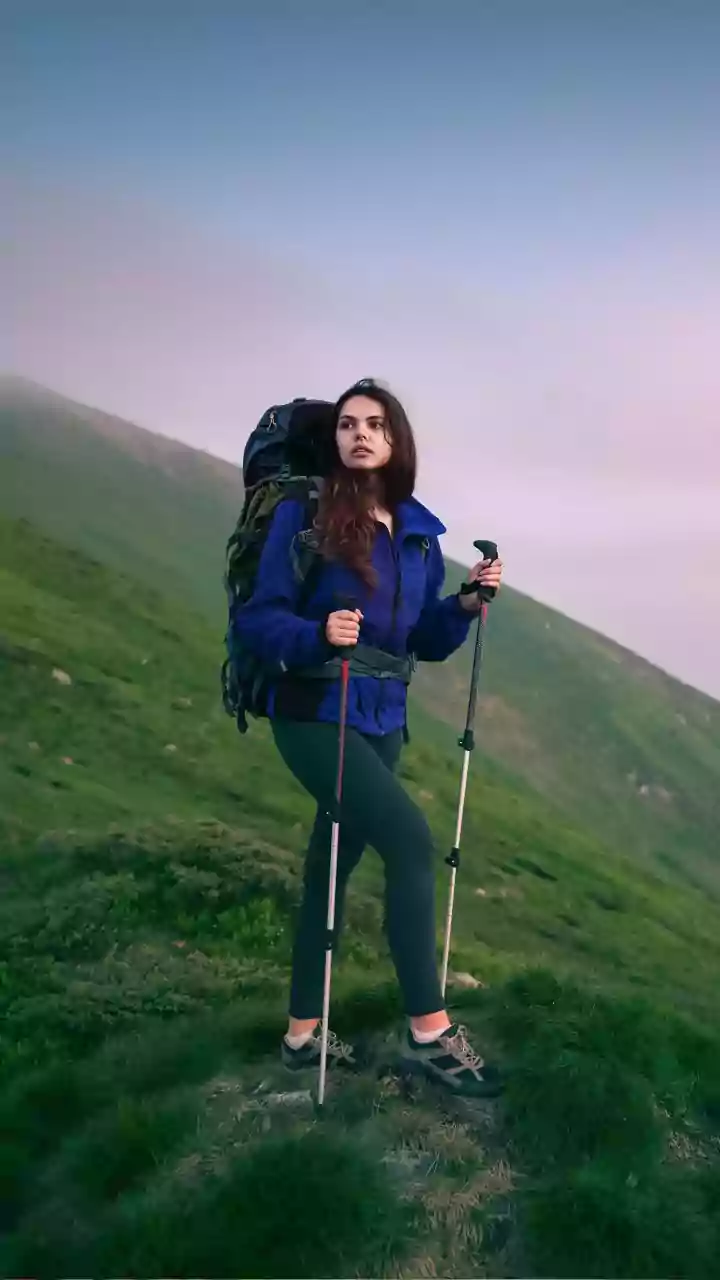
Navigating wet and muddy terrain requires a change in technique. Slow your pace, shorten your stride, and be deliberate with your foot placement to avoid slips and falls. Trekking poles are incredibly helpful, providing extra points of contact with the ground for enhanced balance and stability. When you encounter a muddy section of trail, the most responsible approach is to walk directly through it. Walking around mud puddles widens the trail, causing erosion and long-term damage. Step on rocks and logs when possible, but accept that getting muddy is part of the experience.
Safety, Navigation, and Planning
Changing weather can introduce new hazards. Before you leave, always check the weather forecast, paying special attention to warnings for heavy rain, thunderstorms, or flash floods. Let someone know your planned route and expected return time. In wet conditions with poor visibility, navigation can become more difficult. Download maps to your phone or GPS device for offline use, as cell service can be unreliable in remote areas. During a thunderstorm, immediately get off high ground and avoid open areas, isolated trees, and metal objects like trekking poles. Wait at least 30 minutes after the last clap of thunder before resuming your hike.
The Post-Hike Cleanup
Proper care after your hike ensures your gear lasts longer and is ready for the next adventure. Have a change of clothes and a towel waiting for you in your car. To transport muddy boots without making a mess, consider bringing a separate bag or a plastic tub. Once home, clean your gear promptly to prevent mildew and fabric degradation. Use a soft brush and water to remove mud from your boots, and let them air-dry away from direct heat sources. Hand-wash your backpack if it’s heavily soiled. Waterproof jackets and trousers may need occasional re-treatment with a durable water repellent (DWR) product to maintain their performance.