






The Rise of the Solo Consumer
Across India's bustling urban centres, a quiet revolution is taking place at the dining table. The solo diner, once an anomaly, is now a common sight in cafes and restaurants. This isn't just a fleeting trend but a reflection of deeper demographic and social
changes. An increasing number of Indians, particularly millennials and Gen Z, are living in single-person households, moving to cities for work, and embracing lifestyles that prioritise independence and personal time. This shift from a collectivist, family-centric consumption model to an individual-led one is creating what economists call the 'solo economy'. It's a move away from the shared family meal and towards personal, frequent, and often impulsive, purchasing decisions. For the food and beverage industry, this represents a fundamental change in customer behaviour.
Beyond the Table for One
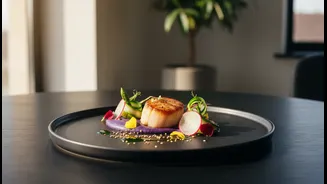
Smart restaurants are already adapting to this new reality. The industry is rethinking everything from restaurant design to menu engineering. Counter seating overlooking an open kitchen, small two-person tables by a window, and communal tables are becoming more common, creating spaces where single patrons feel comfortable and intentional, not isolated. Menus are also evolving. Many establishments now offer single-meal combos, tasting menus, and half-portions, allowing individuals to enjoy a full, varied dining experience without the obligation to share or face food waste. Service is becoming more nuanced, with staff trained to read whether a solo guest wants quiet solitude or a friendly chat. It’s a move from seeing the solo diner as a smaller cheque to valuing them as a loyal, repeat customer.
The Meal-for-One Delivery Boom
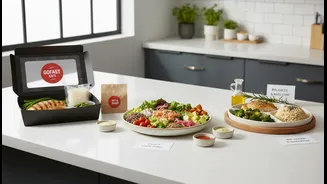
The opportunity extends far beyond the restaurant walls. The food delivery market in India, projected to reach up to $25 billion by 2030, is heavily driven by single-person orders. While a family order might be larger, a solo order for ₹250-₹400 happens far more frequently, making it a crucial driver of revenue for platforms like Zomato and Swiggy. This has fuelled explosive growth in the ready-to-eat (RTE) meals category, which is forecast to be a multi-billion dollar market. Brands are successfully marketing everything from instant noodles and microwaveable curries to single-serving desserts and snack packs. The key is convenience and portion control, catering to time-pressed urban professionals who want a good meal without the hassle of cooking for one.
Cracking the Solo Economy Code
Successfully catering to the solo consumer requires a shift in mindset. It's not about shrinking everything, but about offering flexibility and quality. Solo diners are often more discerning; without the distraction of conversation, their focus is squarely on the food, the service, and the atmosphere. They are willing to pay for quality experiences, convenience, and products that fit their lifestyle. Businesses can win by designing for frequency over volume. This could mean subscription models for daily meals, loyalty programs for repeat customers, or creating 'third spaces' where people can come alone but feel part of a community. The goal is to make the solo customer feel not just accommodated, but anticipated and valued. Those who understand that solo dining is a statement of independence, not a sign of loneliness, will be best positioned to thrive.