



A New Universal Standard
NASA has officially implemented a new career limit for radiation exposure: a universal cap of 600 millisieverts (mSv) for every astronaut. This marks a significant departure from its previous policy, which set different limits based on an astronaut's
age and sex. Under the old system, which aimed to keep an individual’s lifetime cancer risk from radiation below 3%, women and younger astronauts had lower exposure thresholds. This was due to data suggesting they are biologically more susceptible to the effects of radiation. In practice, this meant female astronauts often had their spaceflight careers cut short compared to their male colleagues. The new, single limit is designed to create equality of opportunity, ensuring no astronaut is held back based on their gender or age.
The Hazards of Deep Space
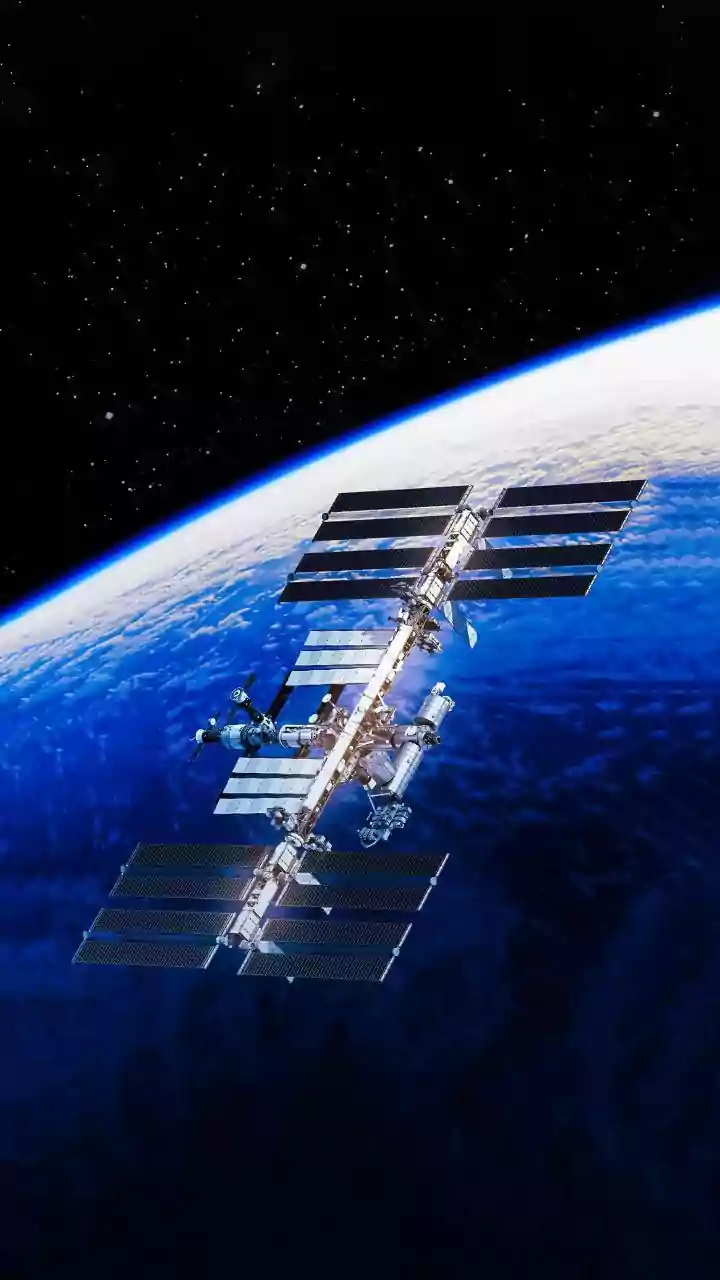
Outside of Earth’s protective magnetic field and atmosphere, space is saturated with radiation. Astronauts are bombarded by two main types: solar particle events (SPEs), which are intense bursts of radiation from the Sun, and a constant, penetrating shower of galactic cosmic rays (GCRs) from distant supernovae. This exposure is a primary health concern on long missions. The high-energy particles can damage DNA, significantly increasing the lifetime risk of developing cancer. But the dangers don't stop there. Studies have linked space radiation to a higher risk of cardiovascular disease, cataracts, and potential damage to the central nervous system, which could affect cognition and motor function. A six-month trip on the International Space Station can expose an astronaut to 50 to 120 mSv; for comparison, the average annual radiation exposure on Earth is only a few millisieverts.
An Ethical Balancing Act
The move to a universal 600 mSv limit was driven by a desire for fairness. By establishing a single threshold for everyone, NASA ensures that career length and mission assignments are not predetermined by gender. The new standard was calculated using the risk model for the most vulnerable demographic—a 35-year-old female—and applying it across the board. While this promotes equality and is arguably more protective for the astronaut corps as a whole, it also introduces an ethical dilemma. To reach the same universal dose limit, some astronauts will be accepting a higher level of individual risk than others. It represents a fundamental shift from a policy based on equalizing individual risk to one based on equalizing opportunity, a trade-off that is central to the debate around the new standard.
The Mars Mission Conundrum
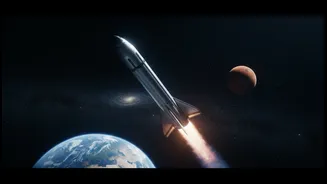
Herein lies the biggest question raised by the new threshold: what does this mean for Mars? A round-trip mission to the Red Planet is estimated to last between two and three years. During that time, astronauts will be almost entirely exposed to the harsh radiation environment of deep space. Current projections show that a single Mars mission would expose an astronaut to somewhere between 500 and 1,500 mSv of radiation, depending on the mission's duration and the solar cycle. In nearly all scenarios, this would exceed the new 600 mSv career limit. This means that, as the rules stand today, NASA could not send astronauts to Mars without granting a special waiver that bypasses its own safety standard. The very rule designed to standardize astronaut careers has effectively put a regulatory roadblock on the path to humanity's most ambitious exploration goal.
Shielding, Shelters, and Solutions
NASA is not standing still. The agency is actively pursuing a multi-pronged strategy to mitigate radiation risks under its core principle of keeping exposure "As Low As Reasonably Achievable" (ALARA). This includes designing better physical shielding for spacecraft and habitats, though the high energy of GCRs makes this incredibly difficult without adding prohibitive weight. Another key strategy is developing dedicated "storm shelters" where crews can retreat during intense solar particle events. Beyond hardware, researchers are exploring biological countermeasures—pharmaceuticals that could potentially protect cells from radiation damage or help them repair afterwards. Combined with better forecasting of space weather and precise real-time dosimetry, NASA hopes to chip away at the exposure levels, but closing the gap for a Mars mission remains a monumental task.