


A Return to Simplicity
After a long day of work, endless commutes, and constant digital noise, the thought of preparing an elaborate multi-course dinner can feel exhausting. For many, there's a growing weariness with the pressure to perform, even in the kitchen. This has sparked
a quiet but powerful shift back towards one-pot meals. It's a choice driven less by a lack of care and more by a need for emotional ease and practicality. The appeal is simple: fewer decisions to make, fewer dishes to wash, and a single vessel that does most of the work, allowing flavours to meld beautifully without constant supervision. This return to basics is not about compromising on taste or health; it’s about finding a sustainable, comforting rhythm in a fast-paced world.
More Than Just Khichdi
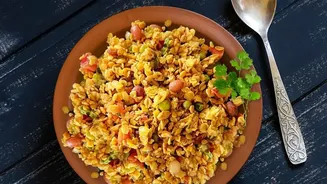
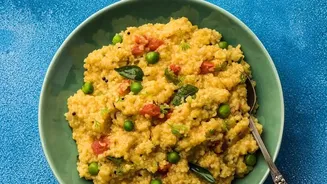
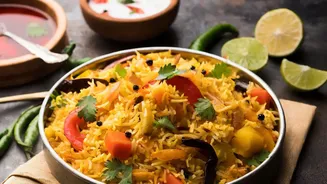
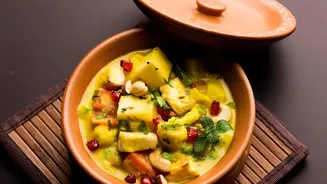
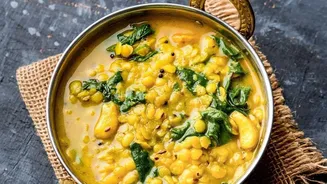
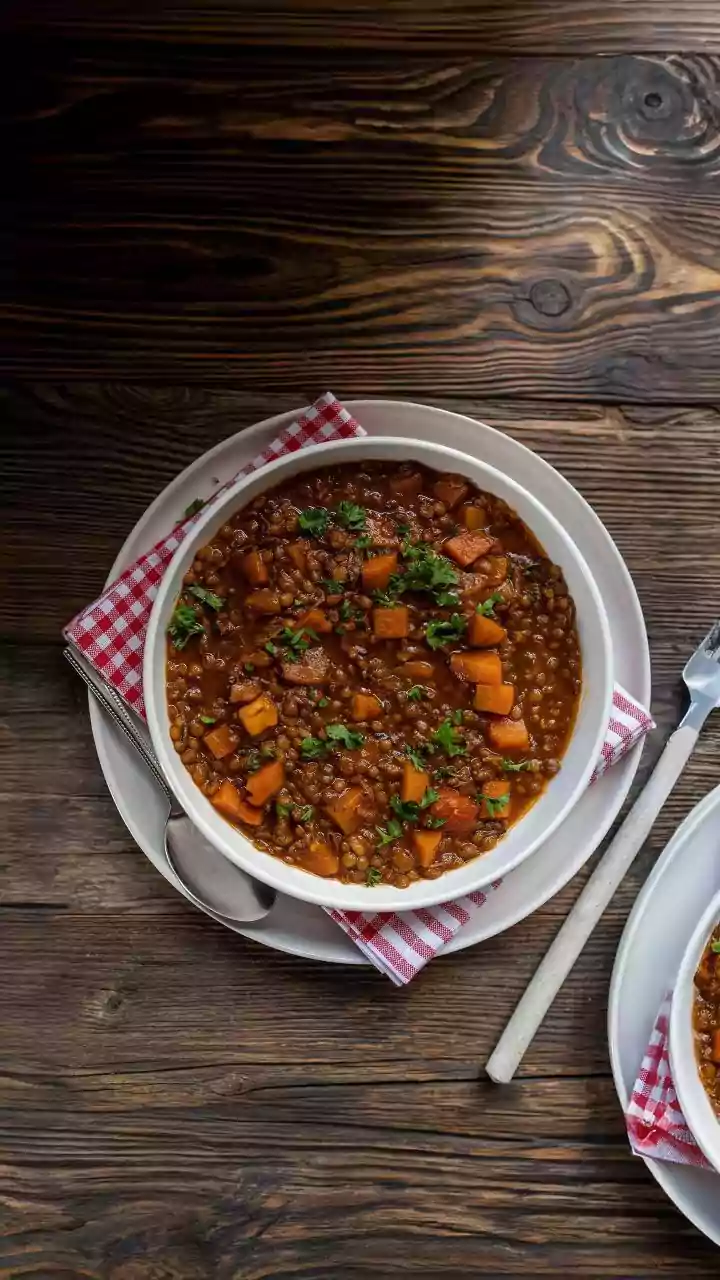
While khichdi is the undisputed star of Indian one-pot cooking—an ancient, comforting blend of rice and lentils—the tradition is incredibly diverse. Across the country, regional cuisines offer their own unique takes. In North India, Tehri combines fragrant rice with potatoes and seasonal vegetables, born from a history of making vegetarian meals as flavourful as their meat-based counterparts. From Karnataka comes the spicy and tangy Bisi Bele Bath, which translates to “hot lentil rice,” a complete meal in itself. Other examples abound, from Bengali Bhoger Khichuri and Gujarati Dal Dhokli to Pongal in the south. Each dish tells a story of local ingredients and culinary wisdom, proving that one-pot cooking has always been a cornerstone of Indian food culture.
The Humble Pressure Cooker: An Enduring Hero
You can’t talk about one-pot Indian meals without paying homage to the pressure cooker. For decades, the rhythmic whistle of the cooker has been a familiar sound in Indian neighbourhoods, signalling that a meal is almost ready. This single utensil revolutionised Indian kitchens, dramatically cutting down cooking times for lentils, legumes, and tough cuts of meat. It made it possible for working women to put wholesome, home-cooked food on the table even with demanding schedules. Today, modern electric versions like the Instant Pot have made the process even more convenient and safer, offering a “set it and forget it” approach that fits perfectly into the modern lifestyle. These appliances have become key enablers of the one-pot meal revival.
A Modern Twist on Ancient Wisdom
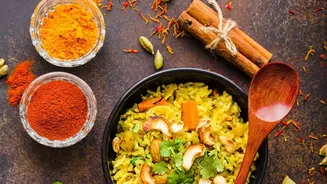
This rediscovery isn’t just about replicating old family recipes. Today's home cooks are infusing these traditional dishes with a modern sensibility. The wellness movement has seen a surge of interest in ancient grains, leading to variations like millet khichdi or quinoa pulao. Cooks are experimenting with seasonal and sometimes unconventional vegetables, customising meals to their nutritional goals and taste preferences. The core principle of combining a grain and a pulse to form a complete protein, a concept celebrated in Ayurveda, remains central. This blend of tradition and innovation shows that one-pot meals are not static; they are evolving, proving their adaptability and timeless appeal.
Beyond Convenience: A Connection to Comfort
Ultimately, the revival of one-pot cooking is about more than just saving time or gas. In an increasingly globalised world, these meals offer a powerful connection to our roots and a deep sense of comfort. A bowl of khichdi or sambar rice is more than just food; it’s nostalgia, a reminder of home, and the taste of being cared for. Preparing these dishes can be a therapeutic and grounding ritual, a moment to slow down and be present. It’s a return to food that is patient, forgiving, and nourishing for both the body and the soul—a perfect recipe for modern life.