




The Old Problem of Guesswork
Traditionally, athletes have relied on inexact cues to manage hydration. Thirst, the colour of your urine, and generic advice to drink a certain amount per hour have been the standard methods. However, these are often reactive measures. By the time you feel
thirsty, you are likely already experiencing a decline in both physical and mental performance due to dehydration. This one-size-fits-all approach also fails to account for the huge variability between individuals; no two people sweat the same way, losing different amounts of fluid and crucial electrolytes like sodium. This can lead to under-hydration and cramping, or even the dangerous condition of over-hydration (hyponatremia).
Enter the Smart Sweat Patch
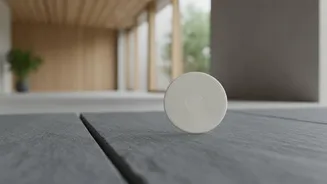
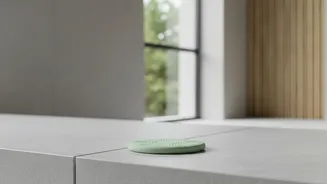
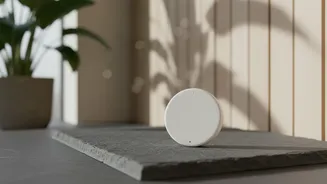
A smart skin patch is a small, non-invasive wearable sensor that sticks to your skin to analyze your sweat as you exercise. It’s a piece of technology that essentially turns your skin into a data source. These patches are designed to capture and measure key components of your sweat in real time, providing a personalized look at your body's hydration status. Some are single-use, designed to give you a 'sweat profile' from one workout, while others are reusable electronic pods that offer continuous feedback throughout your activity. Major players in this emerging field include companies like Nix Biosensors and Gatorade with its Gx Sweat Patch.
How They Decode Your Sweat
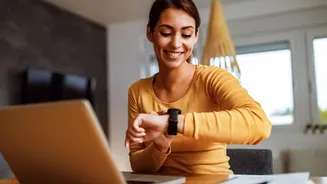
The technology works by analyzing both your sweat rate (how much you're sweating) and your sweat composition (what's in it). Patches like the Gatorade Gx use microfluidics—tiny channels that fill with sweat. Dyes within these channels change colour to indicate your total fluid loss and sodium concentration. After a workout, you scan the patch with a smartphone app, which translates those colours into a detailed sweat profile. More advanced electronic sensors, such as the Nix Hydration Biosensor, provide continuous, real-time data. They measure fluid and electrolyte loss per hour and send this information directly to an app or a compatible smartwatch, offering live updates and alerts. Some newer sensors under development even use bioimpedance, passing a harmless electrical current through the skin to gauge tissue hydration levels.
From Raw Data to Actionable Advice
The true power of these patches isn't just the data they collect, but how they turn it into simple, actionable guidance. The companion apps are the brains of the operation. Based on your real-time sweat and sodium loss, the app can send you a notification telling you precisely when to drink and how much fluid you need to consume to stay in your optimal hydration zone. It can even offer recommendations on what to drink, helping you understand if you need a simple water top-up or an electrolyte-rich sports drink to replace lost sodium. This moves athletes from a reactive 'drink when you're thirsty' mindset to a proactive, data-driven hydration strategy.
The Competitive and Safety Edge
For an outdoor athlete, maintaining proper hydration provides a significant competitive advantage. Even a 2% drop in body fluid can impair performance, reduce endurance, and affect cognitive function. By using a smart patch, an athlete can prevent these losses before they occur, maintaining their physical and mental edge. This personalized data helps to prevent muscle cramps caused by electrolyte imbalances and reduces the risk of heat-related illnesses, a major concern for anyone training in hot climates. It's a tool that not only enhances performance but also significantly improves safety, particularly for endurance runners, cyclists, and industrial workers in high-heat environments.
Limitations and the Road Ahead
While game-changing, the technology is still evolving. Cost can be a barrier, with reusable electronic sensors being a notable investment. For single-use patches, proper adhesion to the skin is crucial for an accurate reading. Furthermore, the market is still young, with different products offering different levels of analysis—some provide a post-workout summary, while others deliver true real-time feedback. The future, however, looks bright. We can expect to see more integration with other health platforms, increased accuracy, and the analysis of other biomarkers in sweat beyond just hydration, such as lactate and glucose, giving athletes an even more comprehensive view of their physiological state.