



Your Lunch, Personally
The era of one-size-fits-all diets is fading. The biggest scientific shift in our lunch choices is personalization. Thanks to advancements in our understanding of the human body, companies are now creating highly customized diet plans. In India, AI-powered
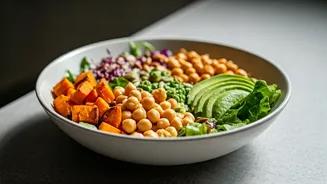
apps are emerging that consider not just your age and activity level, but your specific health goals, food preferences, and even cultural dietary staples. These platforms can generate meal plans built around dishes like poha, rajma chawal, and paneer, ensuring your path to wellness doesn't mean abandoning your favourite foods. Instead of generic advice, these tools offer specific, data-driven recommendations, turning your lunch dabba into a tool for precision nutrition.
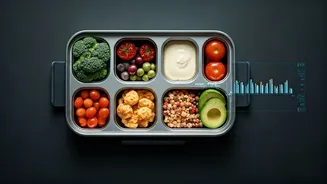
The Rise of the Smart Tiffin
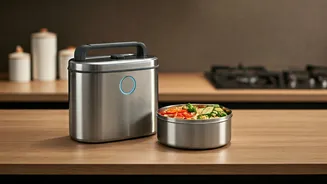
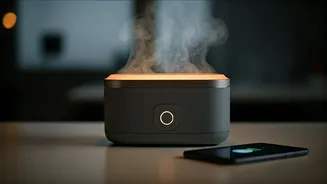
The lunch container itself is evolving from a simple box into a piece of smart technology. The global market for smart lunchboxes is growing, driven by a desire for convenient and hygienic meals. New designs feature integrated heating elements, allowing you to warm your food in 20-30 minutes without a microwave. Some are even cordless and rechargeable, powered by high-capacity batteries that can heat multiple meals on a single charge. App connectivity is another major innovation. Brands like Milton have launched app-enabled tiffins in India that let you schedule heating times remotely. Others feature timer functions, temperature control, and even the ability to double as a power bank for your phone, making the lunchbox a truly multi-functional device for modern life.
Keeping Food Fresher, Longer
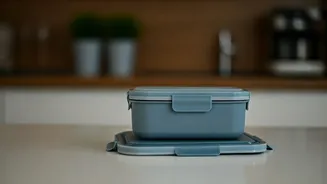
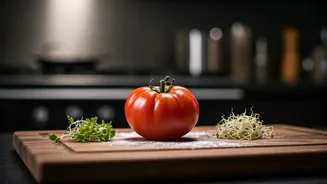
There's little point in packing a healthy lunch if it isn't fresh by midday. Food science is tackling this problem with a host of new preservation technologies. High-Pressure Processing (HPP), also known as cold pasteurization, uses pressure instead of heat to eliminate microbes, preserving the food's original taste and nutrients. Another exciting area is the development of edible coatings. These are thin, tasteless films made from plant materials that can be applied to fruits and vegetables, creating a barrier against oxygen and moisture loss. This slows ripening and spoilage, reducing food waste and ensuring your packed lunch tastes as good as it did when you made it. Even the containers are getting smarter, with some featuring gel-lined walls that act as built-in, freezable ice packs, keeping contents cool for hours without extra items.
Upgraded Ingredients, Better Meals
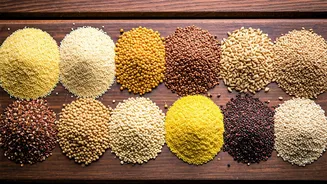
Beyond the technology, the very ingredients we pack are being scientifically enhanced. Food technologists are constantly innovating to improve the nutritional profile and sustainability of our food. Advances in fermentation, for example, are making it easier and safer to produce foods rich in beneficial probiotics. The quality and variety of plant-based proteins continue to expand, offering meat-free alternatives with better texture and nutritional value. The concept of "functional foods" is also gaining traction, where ingredients are chosen or fortified not just for basic nutrition, but to provide specific benefits like improved focus, boosted immunity, or stress relief. This means your lunch could soon be engineered not just to stave off hunger, but to actively enhance your performance and well-being throughout the afternoon.