





Your Skin's Unsung Hero: The Barrier
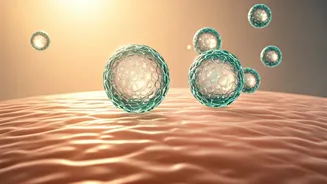
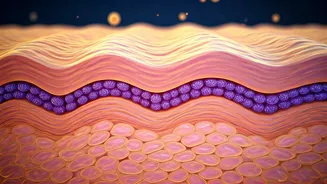
Think of your skin barrier, or stratum corneum, as a diligent security guard for your body. It's the outermost layer of your skin, made up of tough skin cells (the bricks) held together by lipids like ceramides, cholesterol, and fatty acids (the mortar).
This 'wall' has two critical jobs: keeping moisture and hydration locked inside, and blocking harmful pollutants, irritants, and bacteria from getting out. When it’s healthy, your skin looks and feels balanced, hydrated, and calm. A strong barrier is the true foundation of radiant skin.
The Lure of the Scrub: When Good Habits Go Bad
Exfoliation promises to slough off dead cells for an instantly smoother, brighter look. The problem isn't exfoliation itself, but over-exfoliation. This happens when we use harsh physical scrubs, overuse chemical exfoliants like acids (AHAs/BHAs), or simply exfoliate too frequently. This aggressive approach doesn't just remove dead cells; it strips away the protective lipid layer holding your barrier together. Instead of revealing a healthy glow, it exposes raw, vulnerable skin and compromises its ability to protect itself.
Red Flags: Signs of a Damaged Barrier
Is your skin sending out an S.O.S.? A compromised barrier makes itself known in several uncomfortable ways. Telltale signs include redness, persistent dryness, and a feeling of tightness, even after moisturizing. You might also notice that products that were once fine now cause stinging or burning upon application. Paradoxically, a damaged barrier can even lead to more breakouts, as it triggers inflammation and allows acne-causing bacteria to penetrate more easily. Other symptoms can include flakiness, peeling, and a waxy or overly shiny appearance.
The Road to Recovery: How to Repair Your Barrier
If this sounds familiar, it’s time for a skincare reset. The first and most important step is to stop all exfoliation immediately. This includes scrubs, brushes, and active acids like glycolic, lactic, and salicylic acid, as well as retinoids. Simplify your routine down to the essentials: a gentle, pH-balanced cleanser, a nourishing moisturizer, and a broad-spectrum sunscreen during the day. Use lukewarm water instead of hot, and pat your skin dry gently. This 'less is more' approach gives your skin the space it needs to heal, which can take anywhere from two to four weeks.
Barrier-Boosting Ingredients to Look For
As your skin recovers, focus on ingredients that rebuild and support the barrier. Ceramides are non-negotiable, as they make up about 50% of the skin's lipid layer and are essential for 'patching' the mortar between your skin cells. Niacinamide (Vitamin B3) is another powerhouse; it not only calms inflammation but also encourages your skin to produce its own ceramides. Hydrators like hyaluronic acid and glycerin pull moisture into the skin, while ingredients like panthenol (provitamin B5) and squalane soothe and soften.
Making Peace With Exfoliation
Once your barrier feels healthy and resilient again—no more stinging, redness, or tightness—you can consider reintroducing exfoliation. The key is to proceed with caution. Start slowly, exfoliating just once or twice a week. Opt for a gentle chemical exfoliant with a lower acid concentration over a harsh physical scrub, which can create micro-tears in the skin. Always listen to your skin; if signs of irritation return, pull back. And never forget to follow up with a barrier-supporting moisturizer to replenish what was lost.