

To truly know a city is to walk its streets. Not just the grand boulevards, but the narrow alleys and vibrant lanes where culture thrives. Here are 10 streets that offer a unique window into the soul of their city, far from the beaten path.
Haji Lane, Singapore
Once a lane
of pre-war shophouses providing lodging for pilgrims, Haji Lane has transformed into Singapore's indie capital. This narrow, pedestrian-friendly street in the Kampong Glam neighbourhood is an explosion of colour, with vibrant murals covering the walls and independent boutiques showcasing the work of local designers. By day, it's a haven for shoppers looking for unique clothing and quirky finds. By night, the area buzzes as small bars and cafes spill out onto the pavement, offering a relaxed and funky alternative to the city's slicker nightlife scenes.
Via San Gregorio Armeno, Naples, Italy
Known to travellers as 'Christmas Alley', this street offers a festive spirit all year round. Via San Gregorio Armeno is the global epicentre for the 'presepe', or nativity scene. The workshops that line this narrow lane are run by artisans who have passed down the craft for generations. They don't just create traditional biblical figures; you'll find meticulously handcrafted terracotta caricatures of modern politicians and celebrities, making for a uniquely Neapolitan souvenir. While it becomes incredibly crowded in December, visiting any other time allows you to appreciate the artistry without the chaos.
Lombard Street, San Francisco, USA
While often called the 'most crooked street in the world', the famous one-block section of Lombard Street between Hyde and Leavenworth Streets is more of a triumph of safety engineering and picturesque landscaping. Its eight sharp hairpin turns were designed in 1922 to make the steep 27-percent grade navigable for early automobiles. Today, driving down its winding brick path at a mandated 5 mph is a tourist rite of passage, but walking the staircases on either side offers the best views of the blooming hydrangeas and elegant Victorian mansions that line the route.
The Shambles, York, UK
Walking down The Shambles is like stepping into a medieval storybook. With its overhanging timber-framed houses dating back to the 14th century, it's one of the best-preserved medieval streets in Europe. The name 'Shambles' comes from the Anglo-Saxon term for the shelves that butchers once used to display their meat. Today, the butchers are gone, replaced by quirky independent shops, cafes, and stores that lean into the street's magical, Harry Potter-esque atmosphere. The narrow, cobbled lane is so tight that in some places, you can practically touch both sides of the street at once.
Hosier Lane, Melbourne, Australia
A symbol of Melbourne's vibrant urban art scene, Hosier Lane is a constantly evolving outdoor gallery. Located opposite Federation Square, this bluestone laneway is a canvas for local and international street artists, featuring everything from detailed stencil work and paste-ups to large-scale murals. The art is dynamic; a piece you see one day might be painted over the next, reflecting the ephemeral and often political nature of street art. It's a raw, colourful, and gritty look into the city's creative pulse, a must-see for anyone interested in contemporary urban culture.
The Streets of Chefchaouen, Morocco
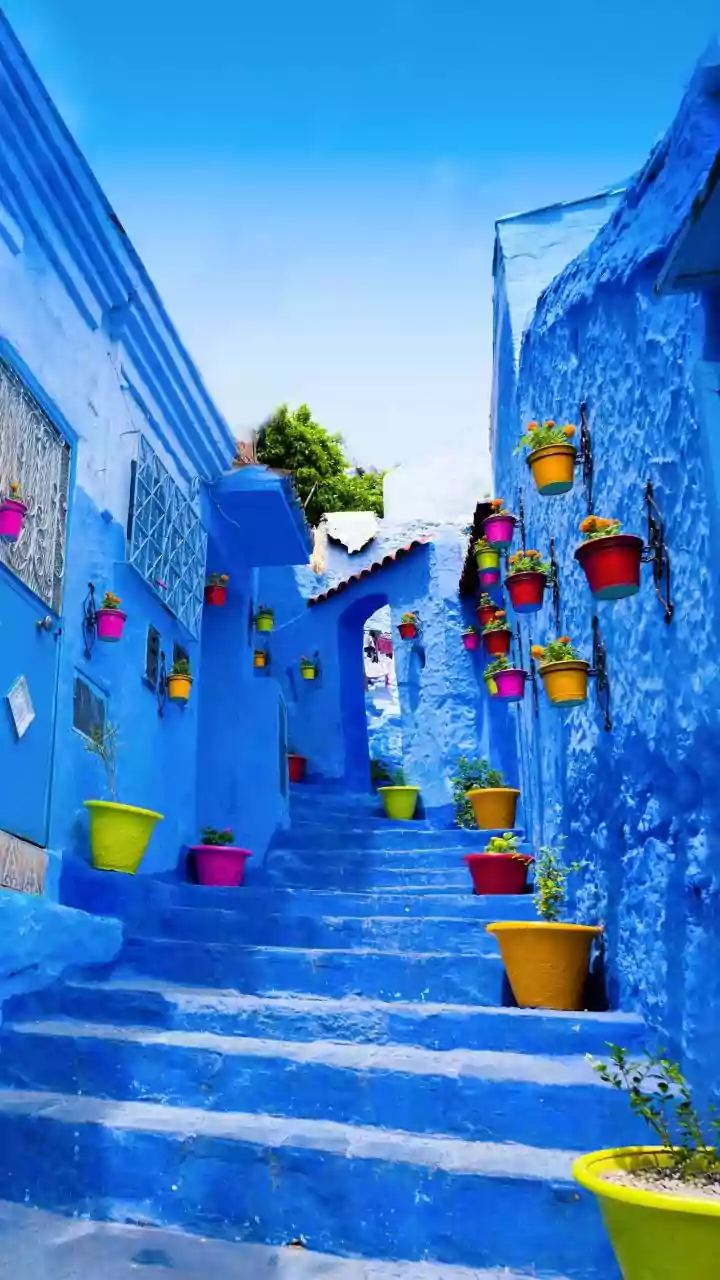
It's not a single street but an entire medina painted in countless shades of blue. Chefchaouen, the 'Blue Pearl' of Morocco, offers a tranquil and mesmerising experience. Wandering through its narrow, winding alleyways feels otherworldly. Theories for the blue walls vary, from repelling mosquitoes to representing the sky and heaven. Unlike the bustling souks of Marrakech, Chefchaouen has a much calmer, more relaxed pace. Getting lost in its labyrinth of blue-washed buildings, staircases, and doorways is the main attraction, with picture-perfect scenes around every corner.
Caminito, Buenos Aires, Argentina
Located in the La Boca neighbourhood, Caminito is a short but vibrant street-museum that tells the story of immigration in Buenos Aires. In the 1950s, local artist Benito Quinquela Martín spearheaded a project to regenerate this abandoned railway track, encouraging residents to paint their 'conventillos' (tenements made of scrap metal) with bright leftover paint from the shipyards. The result is a riot of colour. The street, which means 'little path', is also deeply connected to the history of tango and is now filled with artists, craft stalls, and tango dancers, offering a lively, if tourist-focused, slice of Argentine culture.
Philosopher's Path, Kyoto, Japan
This tranquil, two-kilometre stone path in Kyoto follows a canal lined with hundreds of cherry trees. It gets its name from Nishida Kitaro, a renowned philosopher who used this route for his daily meditative walk to Kyoto University. While it becomes one of the city's most popular spots for 'hanami' (cherry blossom viewing) in the spring, the path offers a peaceful escape at any time of year. It connects several smaller temples and shrines, including the famous Ginkaku-ji (Silver Pavilion) at one end, making it a perfect route for a contemplative stroll away from the city's main tourist hubs.
Jalan Alor, Kuala Lumpur, Malaysia
By day, Jalan Alor is a relatively quiet street in the Bukit Bintang area. But as the sun sets, it transforms into Kuala Lumpur's most famous and chaotic food street. Hundreds of plastic chairs and tables fill the road as hawker stalls and open-air restaurants fire up their woks. The air fills with the sounds and smells of sizzling satay, smoky char kway teow, and grilled seafood. It’s not a refined dining experience; it’s a delicious, energetic, and authentic immersion into Malaysia's diverse culinary culture, beloved by both locals and tourists.
Acorn Street, Boston, USA
Nestled in the historic Beacon Hill neighborhood, Acorn Street is arguably the most photographed street in America, and for good reason. This narrow, one-block lane is paved with original cobblestones from the 19th century and lined with beautifully preserved Federal-style brick townhouses. Gas lamps and charming flower boxes complete the quintessential New England scene. It provides a transportive glimpse into Boston's colonial past. While private residences line the street, a respectful walk down this charming lane feels like stepping back in time.