




From Monuments to Menus
The way Indians travel is undergoing a delicious transformation. For generations, a holiday meant visiting famous landmarks, taking photos, and ticking boxes. Today, a growing number of travellers are asking, “What can I experience?” instead of just,
“Where can I go?”. This shift towards 'experience-led' travel means holidays are now built around personal interests like wellness, adventure, music festivals, and, increasingly, food. Rather than being an afterthought, culinary exploration has become a primary motivator, with some reports indicating that up to 40% of Indian travellers now consider a destination's food culture a major factor when planning a trip. This trend is part of a broader move away from passive sightseeing towards active, immersive, and memorable engagement with a place and its culture.
The Rise of the Gastronomic Getaway
Culinary tourism in India is no longer a niche market; it is a booming industry. Market analysts project significant growth, with some estimates suggesting the market could grow at a compound annual rate of over 12% between 2026 and 2034. This boom is fuelled by a desire for authenticity. Travellers are venturing beyond generic hotel buffets and seeking out regional specialities, from the complex spice blends of Chettinad to the unique vegetarian thalis of Rajasthan. The activities are as diverse as the cuisine itself, including street food walks in Delhi, cooking classes in Kerala, farm-to-table dining experiences, and food-focused festivals celebrating everything from Goan seafood to Lucknowi kebabs. These are not just meals; they are hands-on cultural lessons.
Social Media's Role on the Menu
A scroll through Instagram or YouTube is all it takes to see the power of social media in this trend. Food bloggers and digital creators have become the new travel guides, showcasing hidden culinary gems and turning local eateries into must-visit destinations. Engaging content, vibrant images, and compelling stories about food significantly shape tourists' dining preferences and decisions. Hashtags like #foodporn and #foodgasm have made it easier than ever to discover regional dishes and inspire food-centric journeys. This digital word-of-mouth has been particularly influential among travellers in the 22-40 age bracket, who are increasingly embracing food-led travel after seeing it featured by their favourite online creators.
A Taste of India's Diversity
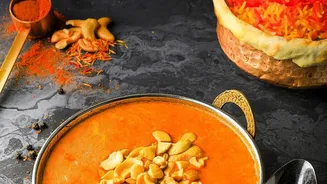
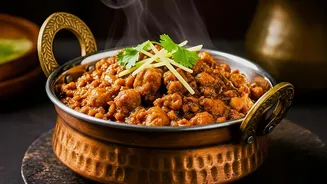
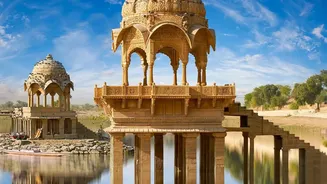
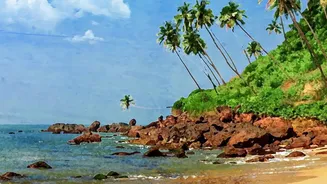
India’s unparalleled culinary diversity is, perhaps, the single biggest driver of this trend. Every state, and often every district, offers a distinct flavour profile, a unique set of ingredients, and generations of culinary tradition. A food holiday in India could mean a journey through the coastal delicacies of Goa, influenced by its Portuguese history, or exploring the vegetarian traditions of the Rajputs in Rajasthan. It could be a tour of spice plantations in Kerala followed by a lesson in making a traditional 'sadya' feast, or a deep dive into the rich, meat-heavy Mughlai cuisine of Hyderabad and Lucknow. This variety ensures that there is always something new to taste, turning the entire country into an endless menu waiting to be explored.
More Than Just a Meal
These culinary journeys offer more than just good food; they provide a deeper connection to a place and its people. By participating in a cooking class, visiting a local market, or sharing a meal in a homestay, travellers engage with the local culture on a more personal level. This trend also has a significant positive impact on local economies. It supports small-scale farmers, local artisans, and family-run eateries, ensuring that tourism revenue is distributed more widely within the community. Government initiatives promoting experience-based tourism have also recognized the potential of culinary travel to boost regional economies and preserve cultural heritage. Ultimately, a food-focused holiday is about creating lasting memories, where the flavour of a dish becomes as memorable as any monument.