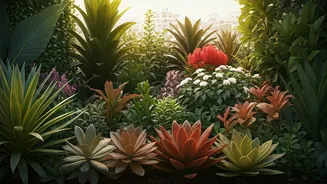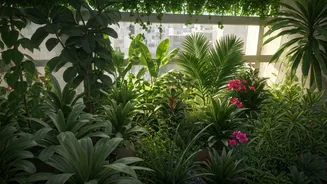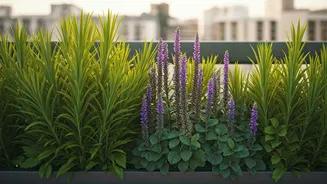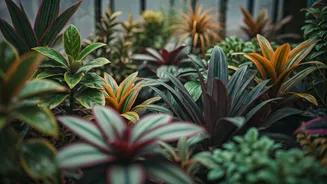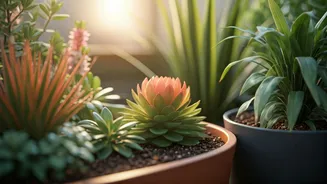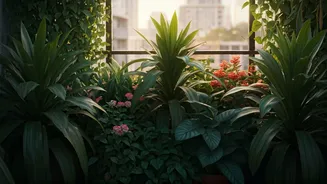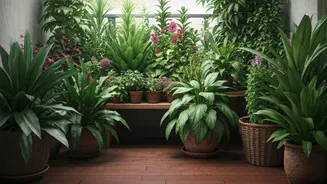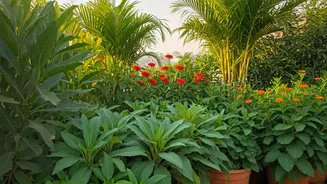

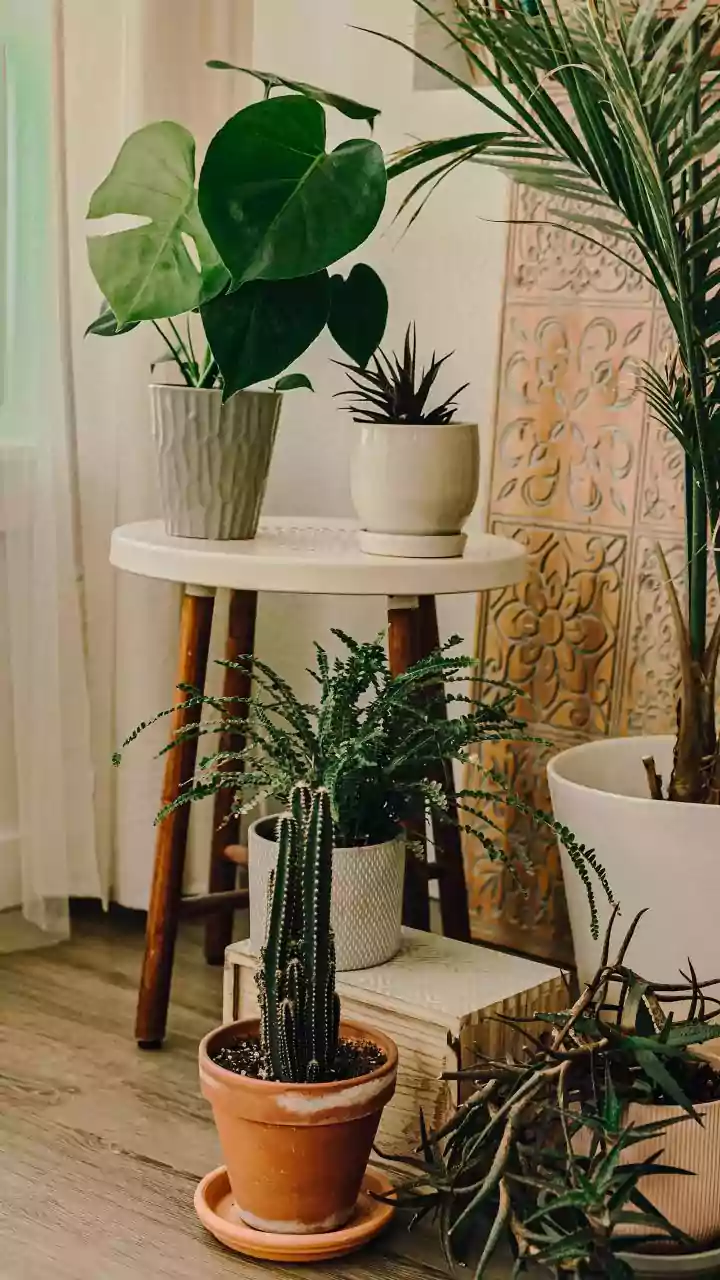


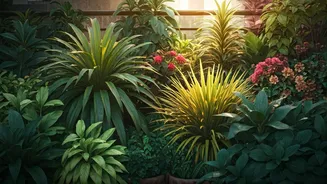

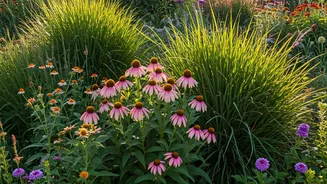


What is a Terrace Forest?
A terrace forest is more than just a collection of potted plants; it’s a micro-ecosystem designed to mimic a natural forest's structure and resilience. Unlike a conventional garden focused on ornamental appeal, a terrace forest is about creating a self-sustaining,
multi-layered green space. It involves a thoughtful mix of taller plants (the canopy), shrubs (the understory), herbs, and ground cover. The goal is to build a living, breathing system that supports itself and local wildlife, right in the middle of a city. This approach has multiple benefits, from cooling indoor temperatures and purifying the air to improving mental well-being and even providing a small harvest of herbs or vegetables.
The 'Secret' Ingredient: The Native Advantage
The success of a healthy terrace forest hinges on choosing the right plants, and this is where native species are the game-changer. Native plants are those that have evolved naturally in a specific region over thousands of years, without human intervention. They are perfectly adapted to the local climate, soil conditions, and rainfall patterns. This innate resilience is their superpower. For an Indian urban gardener, this means less work and more reward. Native plants generally require less water, fewer pesticides, and little to no chemical fertilisers once established, making them a low-maintenance and sustainable choice. They have co-evolved with local insects and diseases, giving them natural resistance that many non-native species lack.
Inviting Nature to Your Doorstep
One of the most rewarding aspects of a native plant garden is the return of local wildlife. These plants provide essential food and shelter for native birds, bees, butterflies, and other pollinators. Planting native species helps restore fragments of natural ecosystems that have been displaced by urbanisation. For example, a Delhi-based conservationist transformed his terrace with over 500 native plants, which now attracts over 200 species of birds and 25 species of butterflies. Flowering plants like Marigold and Tulsi attract bees and butterflies, supporting crucial pollination cycles that benefit the entire urban environment. By creating these biodiversity pockets, you aren't just building a garden; you're creating a vital sanctuary for local fauna.
Your Terrace Forest Blueprint
Starting your own terrace forest is an achievable project. First, assess your space, paying close attention to your roof's weight-bearing capacity and mapping out areas of sun and shade. Opt for lightweight fabric grow bags or containers instead of heavy terracotta pots. A good potting mix is crucial; avoid heavy garden soil and instead use a blend of coco peat, compost, and red soil. Plan your planting in layers to mimic a forest: taller fruit trees like Papaya or Moringa at the back, followed by shrubs like Curry Leaf or Hibiscus, herbs like Tulsi and Mint, and ground cover like Sweet Potato. Ensure every container is elevated on stands to allow for proper drainage and prevent water damage to your roof.
Essential Native Plants to Begin With
For Indian terraces, there is a wide variety of hardy and beautiful native plants to choose from. Here are a few easy-to-grow options to get you started: * **Tulsi (Holy Basil):** Revered for its medicinal properties, Tulsi is also fantastic for attracting pollinators when it flowers. * **Curry Leaf (Kadi Patta):** A staple in Indian kitchens, this hardy shrub thrives in containers and requires minimal care. * **Hibiscus:** With its vibrant, large flowers, Hibiscus attracts hummingbirds and butterflies while adding a splash of tropical colour. * **Parijat (Night-flowering Jasmine):** Known for its fragrant white flowers that bloom at night, this small tree connects us to our cultural heritage. * **Neem:** A powerful medicinal plant and air purifier, Neem can be grown in a large container to form part of your canopy. * **Marigold (Genda):** These bright, cheerful flowers are easy to grow and are excellent for drawing in a variety of pollinators. * **Jamun (Indian Blackberry):** This tree provides fruit and attracts birds, contributing significantly to your mini-ecosystem.