






The Protein Push in the Dairy Aisle
A structural shift is underway in India's massive dairy market. While the country is the world's largest producer and consumer of milk, the focus is rapidly moving beyond volume to value. Health-conscious urban consumers, rising disposable incomes, and the convenience
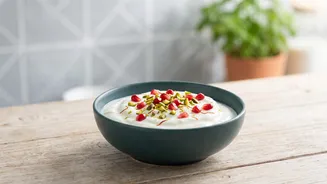
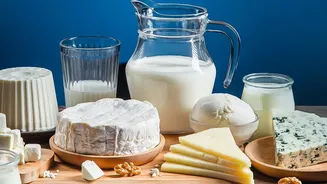
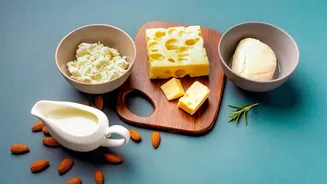
of quick commerce are fuelling demand for dairy products that do more than just quench thirst. This has given rise to a new category of 'functional dairy'. Products like high-protein paneer, probiotic buttermilk, lactose-free milk, and protein-fortified yogurts are moving from niche health stores to mainstream supermarket shelves. Brands are launching everything from ready-to-drink protein cold coffee to high-protein fresh milk, signalling a strategic pivot from traditional dairy to nutrition-focused offerings.
Who Are the New Consumers?
The audience for high-protein dairy has expanded far beyond its original base of gym-goers and athletes. Today, the new consumer is just as likely to be a busy urban professional seeking a convenient and healthy meal replacement, a parent looking for nutritious options for their family, or a wellness-conscious millennial influenced by health trends on social media. This shift reflects a broader change in how Indians approach wellness, moving from reactive healthcare to proactive, preventative lifestyle choices. Data from quick commerce platforms shows this is no longer just a metro phenomenon; demand for protein products is growing over 200% faster in Tier II cities like Nagpur, Jaipur, and Chandigarh than in major metropolitan areas.
From Niche to Mainstream
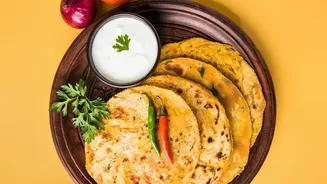
Several factors are driving this protein-centric evolution. A general increase in health awareness, particularly post-pandemic, has made consumers more conscious of nutritional gaps in their diets. With studies indicating that a significant portion of the Indian population is protein-deficient, the message of 'protein for all' is resonating. This has turned protein from a specialized supplement into an everyday wellness ingredient. Quick commerce has played a massive role, with platforms reporting surges of up to 150% in protein-related orders. This convenience makes it easier than ever for consumers to access everything from Greek yogurt, which saw a nearly 280% rise in searches, to traditional staples like paneer and eggs.
How the Industry Is Responding
India's dairy giants and agile startups are all racing to meet this new demand. Companies are repositioning themselves from traditional dairy suppliers to broader nutrition-focused businesses. Amul, for example, is investing heavily in expanding its value-added product lines, while Parag Milk Foods has launched protein wafer bars and ready-to-drink beverages under its Avvatar brand. Newer players like Akshayakalpa Organic and Provilac are making inroads with products like high-protein, lactose-free fresh milk, developed using ultra-filtration technology to naturally boost protein content without unfamiliar additives. The strategy is clear: integrate added protein into familiar daily habits, like a morning coffee or a glass of milk, making nutrition both accessible and convenient.
The Future Is Functional
This trend shows no signs of slowing down. The Indian milk protein market is projected to see significant growth, with some forecasts predicting it will reach nearly $2.5 billion by 2035. The conversation has shifted from the simple goodness of milk to its functional benefits, with probiotics for gut health and high-protein for strength becoming key selling points. However, the industry still faces the challenge of a 'whey paradox'; despite being the world's largest milk producer, India imports significant amounts of high-quality whey protein for supplements. As domestic capabilities grow, the focus will be on creating products that balance taste, price, and nutritional value. The shopping carts of urban India tell the story: the future of dairy is not just fresh, it's functional.