
What Are the Perseids?
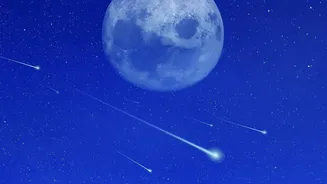
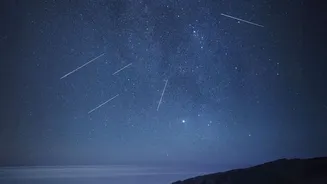
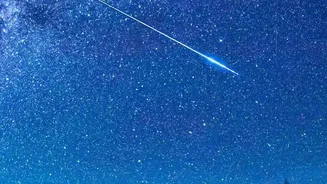
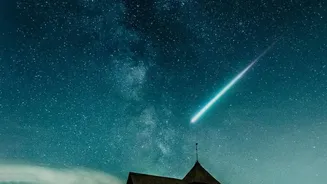
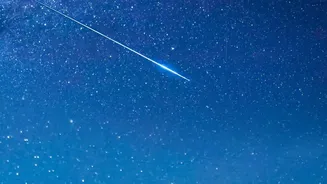
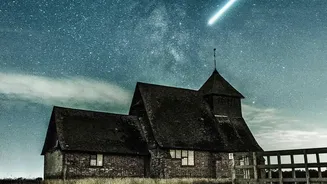
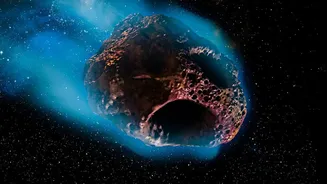
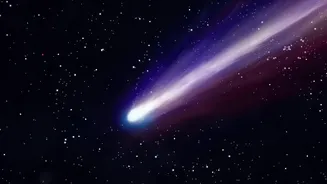
The Perseids are one of the most beloved meteor showers, partly because they grace our skies during warm August nights. These shooting stars are actually tiny bits of space debris—most no larger than a grain of sand—left behind by the massive comet 109P/Swift-Tuttle.
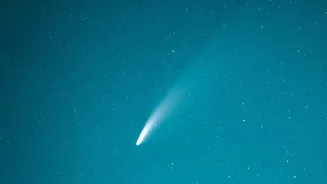
This comet, which is 26 kilometres across, orbits the sun every 133 years, leaving a dusty trail in its wake. Every August, Earth's own orbit takes us right through this debris field. As the particles slam into our atmosphere at speeds of nearly 60 kilometres per second, they burn up, creating the brilliant streaks of light we call meteors. The shower gets its name because the meteors appear to radiate from the constellation Perseus.
Why 2026 Is a Perfect Year for Viewing
The key to a great meteor shower is darkness. Any bright light, especially from the moon, can wash out the fainter meteors, drastically reducing the number you can see. In 2026, the cosmos is cooperating perfectly. The peak of the Perseid shower will occur on the night of August 12-13, which coincides exactly with the new moon. A new moon is invisible in the night sky, meaning there will be absolutely no moonlight to interfere with the show. This provides the ideal dark-sky conditions that astronomers and stargazers dream of, making it possible to see even the fainter shooting stars and maximising the hourly count.
When and Where to Watch
Mark your calendars for the night of Wednesday, August 12, and the early morning of Thursday, August 13, 2026. While the Perseids are active from mid-July to late August, this is when the shower will be at its peak. The best viewing time is generally between midnight and the first light of dawn, as this is when the shower's radiant point in the Perseus constellation is highest in the sky. For the best experience, get as far away from city lights as you can. A rural location, a large park, or any spot with a clear, unobstructed view of the sky is ideal. Under these prime conditions, you could see between 50 and 100 meteors per hour.
Your Stargazing Checklist for Success
You don't need any special equipment to enjoy the Perseids. In fact, binoculars or a telescope will only limit your field of view. The best tool is simply your eyes. Your top priority should be comfort. Bring a reclining lawn chair or a thick blanket so you can lie back and look up without straining your neck. Even on a summer night, the early morning hours can get chilly, so pack warm clothing or an extra blanket. It’s crucial to let your eyes fully adapt to the darkness, which can take about 15-20 minutes. This means putting your phone away, as its bright screen will ruin your night vision. Finally, be patient. Meteors often come in spurts, with lulls in between. Give it at least an hour to take in the full experience.