



An Unfriendly Environment for the Gut
Space is a hostile place for the human body, which evolved over millions of years with the constant pull of Earth's gravity. While we often focus on challenges like muscle atrophy and bone density loss, a less visible but equally critical battle is waged
within the digestive system. Astronauts on the International Space Station (ISS) commonly report issues like constipation, bloating, and acid reflux. These aren't just minor discomforts. They are symptoms of a fundamental disruption caused by a trio of space-related stressors: microgravity, cosmic radiation, and the confined, sterile environment of a spacecraft. Without gravity, the entire digestive process, known as motility, slows down. Food moves more sluggishly through the intestines, creating a cascade of follow-on effects that researchers are only now beginning to fully understand.
The Microbiome Under Siege
Your gut is home to trillions of microorganisms—bacteria, fungi, and viruses—collectively known as the microbiome. This inner ecosystem is vital for everything from digestion and nutrient absorption to immune function and even mental health. In space, this delicate balance is thrown into disarray. Studies of astronauts, including the landmark NASA Twins Study, have revealed significant shifts in the gut microbiome during spaceflight. Key factors like microgravity, an altered diet of pre-packaged food, disrupted sleep cycles, and constant exposure to higher levels of radiation all play a part. Research shows that this environment can lead to a decrease in beneficial bacteria, like those that produce anti-inflammatory compounds, and an increase in others that are less helpful or even potentially harmful. This state, known as dysbiosis, is linked to inflammation and a host of health problems on Earth, making its presence in astronauts a major concern.
Why Mars Magnifies the Problem
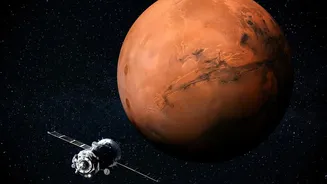
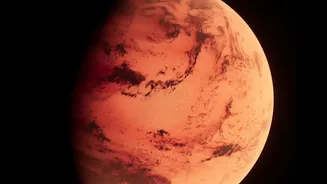
A mission to the ISS, which typically lasts about six months, is one thing; a round trip to Mars is another beast entirely. A journey to the Red Planet and back could take up to three years. The extended duration dramatically amplifies every risk. During this time, astronauts will be outside the protection of Earth's magnetic field, exposing them to much higher levels of galactic cosmic radiation, which can damage cells and DNA. This prolonged exposure is expected to have a more profound and potentially lasting impact on the gut microbiome. Furthermore, the extreme isolation and confinement can lead to chronic stress, which is also known to negatively affect gut health. On a Mars mission, there is no quick return, no resupply of fresh food, and limited medical intervention. A severe digestive illness or a chronic condition fueled by an unbalanced microbiome wouldn't just be an inconvenience; it could compromise an astronaut's ability to perform critical tasks, jeopardizing the entire mission.
The Search for Solutions
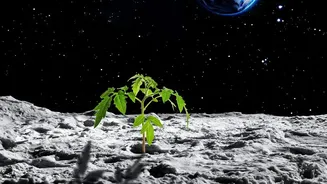
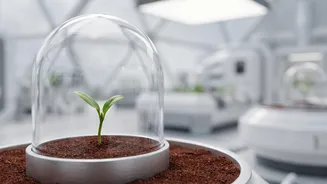
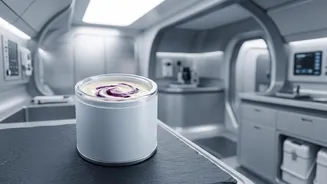
Recognizing the gravity of the situation, space agencies like NASA are actively researching ways to protect the astronaut gut. Recent studies have found that in microgravity, gut bacteria tend to run out of fiber to digest and start fermenting protein instead, a process linked to constipation and inflammation. One straightforward countermeasure being explored is increasing the fiber in astronauts' diets. Another promising area is the development of specialized probiotics—live beneficial bacteria—that could be taken to replenish the gut's healthy microbes. Researchers are also exploring how to cultivate fresh, nutrient-rich foods in space. Some studies have shown that space-grown plants can have lower levels of key nutrients, so work is underway to engineer crops that can thrive in space and provide the antioxidants and other compounds needed to combat inflammation and support a healthy gut. These nutritional strategies are a critical part of ensuring astronauts arrive on Mars not just alive, but healthy and ready for the challenges ahead.