






The Sweetener Swap
Many of us have made the switch. Whether it’s a sachet in your morning chai, a can of diet soda, or a “sugar-free” dessert, non-nutritive sweeteners are everywhere. They offer a way to enjoy a sweet taste without the associated calories or the blood sugar spike,
which seems like a clear win. For years, they've been marketed as a healthier alternative, a tool for managing diabetes and aiding in weight loss. But as scientists look closer, a more complex picture is emerging, one that shifts our focus from calories to the complex world of our gut.
Your Gut on 'Zero-Calorie'
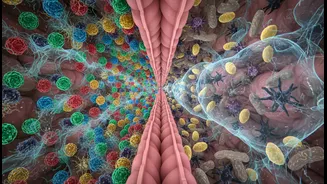
Your digestive tract is home to trillions of microorganisms, collectively known as the gut microbiome. This intricate ecosystem plays a crucial role in digestion, immunity, and even mood. Unlike sugar, which is absorbed and used for energy, many artificial sweeteners pass through our system undigested. Because they aren't fully absorbed, they reach the large intestine, where they interact directly with our gut bacteria. Some sweeteners can disrupt the delicate balance of this community, a condition known as dysbiosis. This can mean a reduction in beneficial bacteria and a potential increase in less desirable ones. Research suggests that sweeteners like sucralose and saccharin can alter the gut microbiome. While some studies show minimal impact from moderate consumption, others indicate that these changes could be linked to various health concerns.
Common Culprits and Their Effects
Not all sweeteners are created equal, and their effects can vary. Sugar alcohols, such as erythritol, sorbitol, and xylitol, are known to cause digestive distress for some people. Because they are not completely absorbed, they can ferment in the gut, leading to uncomfortable symptoms like bloating, gas, and diarrhea. Recent research has also raised concerns about erythritol's potential link to other health issues. Artificial sweeteners like sucralose have been shown in some studies to alter gut bacteria composition, even at low doses. Aspartame is largely absorbed before it reaches the gut, but may still impact how microbes function. In contrast, natural options like stevia are often considered gentler, with several studies suggesting it has a minimal or neutral effect on the gut microbiome, though research is ongoing and some conflicting results exist.
Listening to Your Body
The impact of sweeteners can be highly individual. One person might consume diet drinks daily with no noticeable issues, while another may experience bloating after chewing a single piece of sugar-free gum. Symptoms like gas, cramping, bloating, or changes in bowel habits after consuming products with these sweeteners could be a sign that your digestive system is sensitive to them. This is particularly true for individuals with existing digestive conditions like Irritable Bowel Syndrome (IBS), who may find that sugar alcohols worsen their symptoms. Paying attention to how your body responds is key. If you notice a pattern of discomfort, it might be worth re-evaluating your intake.
A Balanced Approach to Sweetness
So, what's the verdict? It's not necessarily about eliminating all sweeteners forever. For many, occasional use is unlikely to cause significant harm. The key takeaway is that “zero-calorie” does not mean “zero-impact.” The goal is moderation and awareness. Instead of relying heavily on sweeteners, focus on a diet rich in whole foods. Fruits offer natural sweetness along with fibre, which is essential for a healthy gut. When you do opt for a sweetener, be mindful of the type and amount. Stevia-based options may be a gentler choice for many. Ultimately, being an informed consumer and understanding that these products can have biological effects is the most important step in making the right choices for your digestive health.