






The Problem with Pumping
When city streets turn into canals, the immediate, visible response is to deploy high-powered pumps to drain the water. It feels like action, but it's fundamentally a reactive strategy that treats the symptom, not the cause. Pumping is an energy-intensive
and costly exercise that simply moves water from one overwhelmed place to another, often into drainage systems that are already at capacity. During extreme rainfall events, these systems can't keep up, and power outages can render electric pumps useless when they're needed most. This approach fails to address the core issue: the water has nowhere to go in the first place. Relying solely on pumps is like trying to empty a bathtub with a teaspoon while the tap is still running full blast. It's a losing battle against the sheer volume of water that modern cities, with their altered landscapes, are forced to handle.
How We Engineered Our Own Floods
The recurring waterlogging in cities like Mumbai, Delhi, and Bengaluru isn't just a result of heavy rain; it's a crisis largely of our own making. Decades of rapid and often unplanned urbanisation have systematically dismantled the natural systems that once managed stormwater. We have paved over permeable soil with concrete and asphalt, preventing rainwater from seeping into the ground and recharging aquifers. Natural sponges like wetlands, lakes, and ponds have been encroached upon or built over, eliminating vital buffers that absorb and hold excess water. Bengaluru, for example, has lost a significant percentage of its water bodies to urban sprawl. Compounding this is our reliance on outdated drainage systems, some dating back a century, designed for a different era with lower population density and less intense rainfall. These drains are frequently choked with solid waste, particularly plastics, drastically reducing their capacity to carry water away.
Thinking Like a Sponge
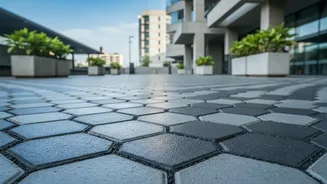
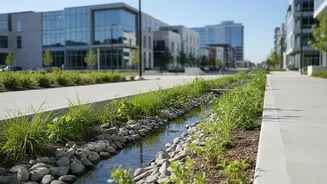
A growing movement in urban planning advocates for a radical shift in perspective: instead of fighting water, we should learn to work with it. This is the core idea behind the 'sponge city' concept. A sponge city is designed to absorb, clean, and use rainfall rather than just channelling it away. It integrates green infrastructure into the urban fabric to mimic the natural water cycle. This includes creating permeable pavements that allow water to soak into the ground, building green roofs and rain gardens that capture rainfall, and restoring urban wetlands and lakes to act as natural reservoirs. China has been a major proponent of this initiative, with a plan for its urban areas to absorb and re-use a majority of their rainwater. The benefits are numerous: reduced flooding, replenished groundwater, lower urban temperatures, and improved air quality.
Nature-Based Solutions for Indian Cities
The sponge city model offers a framework, and several Indian cities are already experimenting with its principles. Chennai has been a notable test case, constructing dozens of 'sponge parks' designed to store millions of litres of stormwater. One such park, built on a former parking lot, now functions as a natural water treatment system, significantly reducing flood risk in the surrounding area while creating a public recreational space. These nature-based solutions can be adapted to any city's context. They can be as large-scale as restoring major water bodies or as incremental as converting small public spaces into rain gardens. The key is to see green spaces not as luxuries but as essential, functional infrastructure. Protecting and rejuvenating urban forests, reviving lakes, and creating green corridors all contribute to a city's ability to manage water effectively.