




Know Your Ingredients, Know Your Friends
In today's world, gifting food requires a bit more awareness than just knowing what tastes good. Many people now manage dietary restrictions, food allergies, or specific health choices. The most common food allergens in India include milk (lactose intolerance),
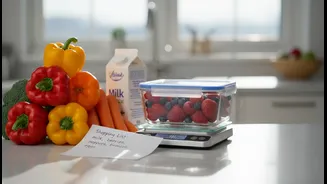
wheat (gluten sensitivity), peanuts, and tree nuts like cashews and almonds. These are staples in many traditional Indian sweets and snacks. Before preparing your gift, it's a considerate gesture to gently ask if the recipient or their family has any allergies or preferences, such as being vegetarian, vegan, or on a sugar-restricted diet. This simple question transforms a generic gift into a personalised and caring one, showing that you've thought about their well-being. Labelling your homemade treats with a simple list of ingredients is another excellent practice that can prevent accidental discomfort or allergic reactions.
The Clock is Ticking: Understanding Shelf Life
Not all Indian sweets are created equal when it comes to how long they last. The shelf life of mithai depends heavily on its ingredients, particularly moisture and milk content. Milk-based sweets like rasgulla, sandesh, and kalakand are highly perishable and should be refrigerated and consumed within a day or two. Sweets made with khoya, such as milk cake or pedas, can typically last for about four days under refrigeration. Drier sweets made with ghee, flour, and dry fruits—like besan ladoo, kaju katli, and atta ladoo—have a longer shelf life, often staying fresh for about a week at room temperature. Always prepare or purchase gifts as close to the gifting day as possible to ensure maximum freshness. When in doubt, advise your recipient on the best way to store the gift and when it should be consumed by.
Packaging for the Journey
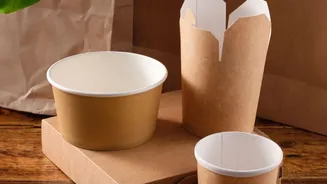
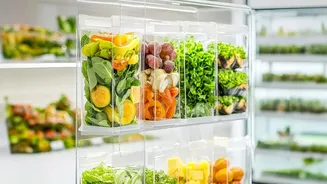
How you pack your food gift is crucial for maintaining its quality and safety, especially given India's often warm and humid climate. For homemade items, always start with clean, sanitized hands and utensils. Use airtight, food-grade containers to prevent contamination and spoilage. Be cautious with decorative wrappers and boxes, as some are not designed for direct food contact and can leach harmful chemicals, particularly when the food is warm or moist. If transporting perishable items, an insulated bag can help maintain a safe temperature. For items prone to breaking, like cookies or delicate sweets, pack them snugly in a sturdy tin, using bubble wrap or parchment paper to cushion them and fill empty spaces. For semi-liquid items like pickles or chutneys, ensure the container is leak-proof, perhaps even adding a layer of cling film under the lid as an extra precaution.
The Logistics of Transport
The final leg of your gift's journey—getting it to the recipient—also needs consideration. If you're delivering the gift yourself, keep it stable and upright in your vehicle to avoid spillage or crushing. Avoid leaving food gifts, especially perishable ones, in a hot car for any length of time, as temperatures can rise quickly and create a breeding ground for bacteria. Perishable items should be refrigerated as soon as possible, ideally within two hours of being at room temperature. If you are shipping a gift, choose drier, sturdier items that can withstand transit. Use expedited shipping services for any items that have a limited shelf life and pack them securely with appropriate padding to prevent movement and damage. Informing the recipient that a perishable gift is on its way can also ensure someone is home to receive and store it properly.