





1. Fortify Your Walls and Roof
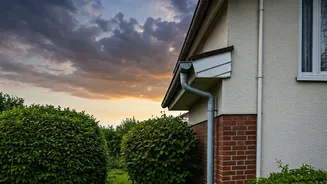
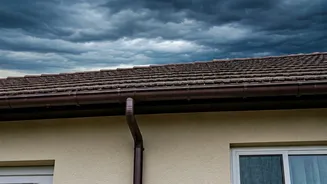
Your home's outer shell is its first line of defence against the relentless downpour. Start with a thorough inspection of the roof and exterior walls. Look for any cracks, gaps, or signs of wear. Even a tiny fissure can allow water to seep in, leading
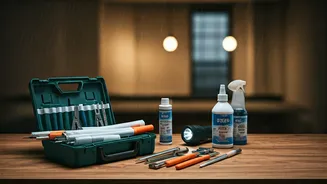
to damp patches, peeling paint, and structural damage over time. It's wise to hire a professional to apply a fresh coat of waterproof sealant to the roof and any vulnerable exterior walls. Pay special attention to terraces and balconies. Check that window frames and door frames are properly sealed; apply silicone sealant to fill any gaps that could let in rainwater and drafts. This small investment can save you from costly repairs later.
2. Inspect Electrical Systems
Water and electricity are a dangerous combination. Before the rains begin, it’s crucial to have your home's electrical wiring checked by a qualified electrician. They can identify any frayed wires, loose connections, or exposed points that could pose a shock or short-circuit risk. Ensure your home has a functioning Earth Leakage Circuit Breaker (ELCB) or Residual Current Circuit Breaker (RCCB), which automatically cuts off the power supply in case of a leakage, preventing electric shocks. Keep electrical appliances away from windows and areas prone to dampness. And if a device gets wet, unplug it immediately and don't use it until it's completely dry and checked.
3. Clear All Drains and Gutters
This is one of the most common and easily preventable monsoon problems. Clogged drains are a leading cause of waterlogging, both inside and outside the house. Before the heavy rains start, thoroughly clean all your drains. This includes rooftop gutters, balcony drains, and the main drainage pipes. Remove all leaves, debris, plastic bags, and mud that have accumulated over the dry season. A free-flowing drainage system will ensure that rainwater is channelled away from your home efficiently, preventing water from pooling on your roof or flooding your balcony and seeping into your home.
4. Implement Pest Control Measures
The monsoon provides the perfect breeding ground for all sorts of pests. Mosquitoes, cockroaches, termites, and rodents seek shelter and thrive in damp environments. To keep them at bay, start by ensuring there is no stagnant water around your home, as this is where mosquitoes breed. Check pots, old tyres, and coolers. Seal any cracks or holes in walls and floors where insects and rodents can enter. A professional pest control treatment before the season starts can be highly effective. For a simpler approach, use mesh screens on windows and keep your kitchen and garbage areas scrupulously clean to avoid attracting unwanted guests.
5. Protect Your Wooden Furniture
The high humidity during the monsoon can wreak havoc on wooden furniture and doors. Wood tends to absorb moisture from the air, causing it to swell, warp, and become difficult to open or close. It also makes it more susceptible to termite infestations. To protect your precious furniture, move it a few inches away from the walls, which can become damp. Avoid using wet cloths for cleaning; opt for a dry microfiber cloth instead. Applying a coat of varnish or wax polish can create a protective barrier against moisture. Placing camphor balls or silica gel packets inside wardrobes and cabinets can also help absorb excess moisture and keep your clothes and belongings safe.
6. Prepare an Emergency Kit
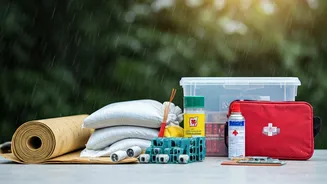
Power cuts and other disruptions are common during heavy rains and storms. Being prepared can make a huge difference. Assemble a monsoon emergency kit and keep it in an easily accessible place. Your kit should include essentials like a powerful torch with extra batteries, a power bank for your mobile phone, a first-aid box with antiseptic, bandages, and common medicines. A stock of candles and matches is also a good idea. It’s also wise to have some non-perishable food items like biscuits, nuts, and instant noodles, along with a supply of clean drinking water, just in case you're unable to step out for a day or two.