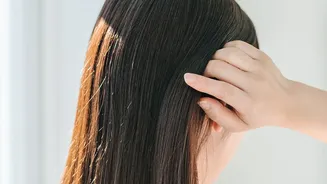






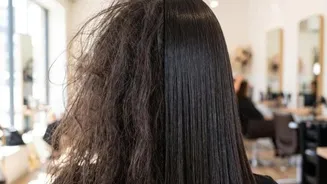
As the temperature drops, your hair often pays the price, becoming dry, brittle, and prone to static. The combination of cold outdoor air and dry indoor heat strips moisture, but you don't have to settle for lackluster locks until spring.
Boost Hydration at Every Step
The number one
rule of winter hair care is to hydrate, hydrate, hydrate. The cold, dry air actively pulls moisture from your hair strands, leaving them parched and vulnerable. Start by swapping your regular products for a more moisture-rich shampoo and conditioner. Look for ingredients like hyaluronic acid, shea butter, or argan oil. Beyond your daily wash, a weekly deep conditioning treatment or hair mask becomes non-negotiable. These treatments are designed to restore moisture and elasticity, repairing damage and strengthening your hair against the harsh winter elements. Even a leave-in conditioner can provide an extra layer of protection, locking in hydration and taming frizz throughout the day.
Turn Down the Temperature
A long, hot shower might feel like the perfect way to warm up on a cold day, but it can be devastating for your hair. Extremely hot water strips the scalp and hair of their natural, protective oils, leading to increased dryness and potential irritation. Try turning the water temperature down to lukewarm, especially when rinsing your hair. At the end of your shower, a quick rinse with cool water can help seal the hair cuticle, which locks in moisture and adds shine. This logic also applies to heat styling. Give your blow dryers, straighteners, and curling irons a rest whenever possible. Air-drying is the gentlest option, but if you must use heat, always apply a heat protectant spray first to create a barrier against damage.
Adjust Your Wash Schedule
Washing your hair too frequently can exacerbate winter dryness. Shampooing, by design, cleanses away oils, but in winter, your hair needs those natural oils to stay protected and moisturized. Try extending the time between washes by a day or two. A good dry shampoo can be your best friend, helping to absorb excess oil at the roots and add volume without stripping your hair. When you do shampoo, focus the product on your scalp where oil and buildup accumulate, allowing the suds to gently cleanse the ends as you rinse.
Cover Up the Right Way
Protecting your hair from the elements is just as important as moisturizing it. Cold wind and freezing temperatures can make hair brittle and cause breakage. Wearing a hat, scarf, or hood provides a physical barrier against the harsh weather. However, the material matters. Traditional wool or cotton hats can cause friction, leading to static and frizz. For optimal protection, choose a hat lined with silk or satin. These smoother materials reduce friction and help your hair retain its moisture instead of absorbing it. If you can't find a lined hat, consider wrapping your hair in a silk scarf before putting on your winter beanie.
Don't Forget Your Scalp and Ends
A healthy scalp is the foundation for healthy hair, and it also suffers in winter, often becoming dry and flaky. Incorporating a scalp massage into your routine can help improve blood circulation and nourish the roots. You can also use a scalp scrub to gently exfoliate and remove buildup. At the other end of the strand, your ends are the oldest and most fragile part of your hair, making them highly susceptible to splitting. Applying a few drops of a nourishing hair oil or serum to your ends after washing can help seal the cuticle, lock in moisture, and prevent breakage. And finally, don't skip your regular trims. Snipping off split ends every six to eight weeks is crucial for maintaining hair health and preventing damage from traveling up the hair shaft.