





A Pre-Festive Price Pinch
Just as Indians gear up for the year's most auspicious buying period, the country's largest automakers have begun passing on higher costs to consumers. Maruti Suzuki announced price increases of up to ₹30,000 on certain models from August 2026, its second
hike in just a few months. Following suit, Hyundai Motor India declared a price increase of up to 1% across its portfolio starting in September. Tata Motors also confirmed it will raise prices on its passenger vehicles, including EVs, by up to ₹25,000 from September 1. The consistent reason cited by all manufacturers is the relentless pressure from rising input and commodity costs, sustained inflation, and macroeconomic uncertainties. This co-ordinated movement suggests automakers are finding it increasingly difficult to absorb the financial strain and must pass a portion of the burden to buyers.
Why Are Cars Getting Costlier?
The current price hikes are not a sudden development but the result of several persistent factors. For years, the cost of raw materials like steel, aluminium, and copper has been on an upward trajectory. Furthermore, the industry is undergoing a significant technological transformation. Stricter safety and emission regulations, such as the mandate for six airbags and BS6 Phase 2 compliance, have added to production expenses. The consumer's growing preference for feature-rich vehicles with large infotainment systems, connected car technology, and premium interiors also contributes to the rising costs. The shift towards electric and hybrid vehicles, which involves heavy investment in new powertrain technologies, is another key factor pushing the overall average price of cars higher.
The Unshakeable Festive Sentiment
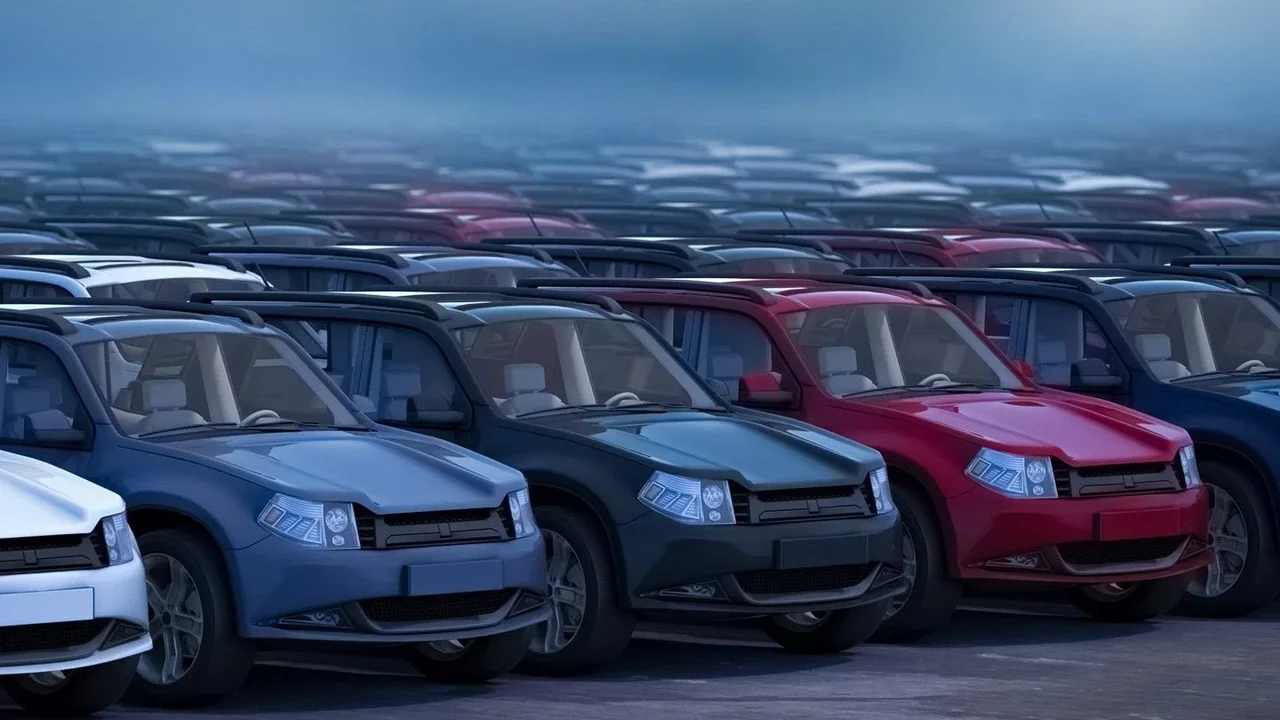
Despite the price increases, the auto industry remains optimistic about the upcoming festive season, which kicks off with Onam. Automakers like Mahindra & Mahindra and Hyundai are ramping up production and building inventory, confident that consumer demand will remain robust. This confidence is not unfounded. July 2026 saw record-breaking sales, with dispatches jumping over 30% year-on-year, indicating a strong underlying demand. Many companies are increasing their marketing budgets by up to 20% for the festive quarter, planning new launches, and rolling out consumer offers to capture the positive sentiment. For many Indian families, buying a vehicle during this period is a tradition, and this cultural factor often outweighs purely financial considerations.
How Buyers Might Adapt
While sentiment is strong, affordability remains a key concern. The constant price revisions may force potential buyers to adjust their strategies. We may see a more pronounced shift in demand towards segments that are less affected by the hikes. For instance, Maruti Suzuki's latest increase was steeper for premium models like the Baleno, while entry-level cars like the Alto K10 and WagonR saw minimal changes, suggesting a strategy to protect the affordability of its core market. Buyers might also increasingly look towards alternatives like CNG-powered vehicles, which saw a 50% year-on-year growth for Maruti in July, to offset higher acquisition and fuel costs. Furthermore, the availability of attractive financing options, flexible EMI schemes, and a potential increase in discounts from dealers looking to clear inventory could play a crucial role in converting interest into sales.