







The Early Days: Urban Dreams and Aspirations
The Indian streaming revolution began not with a bang, but with a relatable conversation between a long-distance couple. When The Viral Fever (TVF) launched 'Permanent Roommates' in 2014, it pioneered a new form of storytelling for a new India. It was
sharp, funny, and deeply urban. Following its success, shows like 'Pitchers' captured the zeitgeist of the Bengaluru start-up culture, resonating with a generation of millennials navigating new careers and relationships in metropolitan India. These early shows were defined by their focus on English-speaking, upwardly mobile youth. The conflicts were about career anxiety, modern dating, and finding a flat in the big city. They were successful because they spoke a language that a specific, digitally-connected audience understood and had been waiting to hear. They created a template for what an 'Indian web series' was presumed to be: slick, young, and city-bound.
The Streaming Wars and a Content Explosion
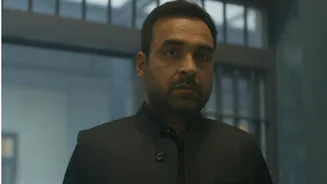
The game changed when global giants like Netflix and Amazon Prime Video entered the Indian market, alongside a boom in homegrown platforms. Suddenly, the audience wasn't just a niche group of urbanites; it was the whole of India, with its diverse languages and cultures. The initial strategy was often to create high-concept, gritty crime thrillers, with shows like 'Sacred Games' and 'Mirzapur' pushing the boundaries of what could be shown on screen. These series were wildly popular and proved that large-scale, high-budget Indian productions could compete globally. 'Mirzapur', in particular, hinted at the future by moving the action away from the metros and into the heartland of Uttar Pradesh, exploring themes of power, legacy, and crime in a small-town context. This content explosion created a vast, competitive marketplace where platforms needed to cater to a much broader demographic to succeed.
Discovering the Soul of India's Heartland
As the audience matured and became saturated with crime and gore, a quieter revolution was taking place. Creators and platforms began to realize that a massive, untapped viewership existed in Tier-II and Tier-III cities, and that these viewers were hungry for stories that reflected their own realities. The turning point came with shows that found drama not in violence, but in the everyday. Amazon Prime Video's 'Panchayat' followed an engineering graduate reluctantly taking a job in a remote Uttar Pradesh village. Its gentle humour and slice-of-life narrative, reminiscent of classic Doordarshan shows, became a runaway success. Similarly, SonyLIV's 'Gullak' painted a heartwarming and painfully relatable portrait of a middle-class family's daily squabbles and triumphs in a small North Indian town.
The Triumph of the Authentic
What makes shows like 'Panchayat', 'Gullak', 'Jamtara', and 'Kota Factory' resonate so deeply? It's their commitment to authenticity. The narratives are rooted in specific cultural and social milieus, from the real-life phishing scams of Jharkhand in 'Jamtara' to the coaching class pressures in 'Kota Factory'. The characters speak in local dialects, their problems are relatable—a leaky roof, a son's career choice, navigating local politics—and the stakes feel real because they are universal human experiences. Viewers connect with these stories because they see themselves, their families, and their neighbours on screen. This authenticity stands in stark contrast to the often-generic, aspirational narratives of earlier shows and traditional television soaps, offering a 'warm hug of nostalgia' and a sense of connection in an increasingly alienated world.
Why Relatability Is the New Gold Standard
This shift is not just a creative trend; it is a smart business strategy. With affordable data and smartphone penetration spreading across rural and semi-urban India, the audience is no longer concentrated in the metros. Platforms have realised that local narratives have a global appeal, and that a significant portion of viewership comes from regional content. Viewers are signalling that they are tired of endless dark thrillers and crave content that is emotionally engaging and comforting. By investing in grounded, authentic stories, platforms are building loyalty and catering to a massive, underserved market that values relatability over glamour. The evolution proves that Indian viewers, when given the choice, are choosing stories that feel like home.