




Rethink Your Watering Routine
The single biggest mistake during rainy periods is overwatering. [4] With high humidity in the air, the soil in your pots dries out much more slowly. [4, 10] Continuing a regular watering schedule can quickly lead to waterlogged soil, which suffocates
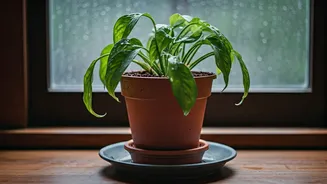
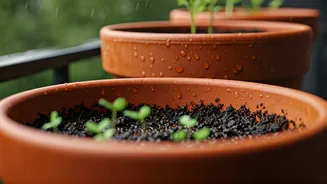
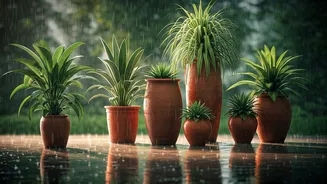
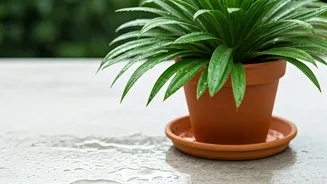
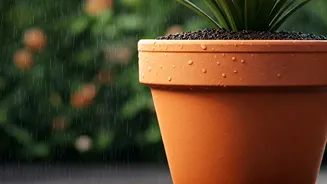
roots and causes root rot—a common plant killer. [11] Instead of watering on a fixed schedule, check the soil first. [4] Stick your finger about an inch into the soil; if it feels damp, wait a few more days before watering. [4, 11] For most tropical plants, this might mean watering once every 4-5 days, while succulents and cacti might only need water once every two to three weeks. [4] When you do water, do so in the morning to allow excess moisture to evaporate during the day. [4, 12] Always ensure your pots have adequate drainage holes and empty any excess water from the saucer underneath. [3, 6]
Maximise Every Bit of Light
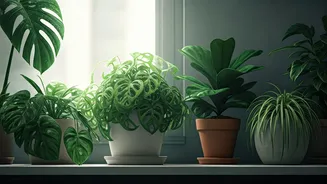
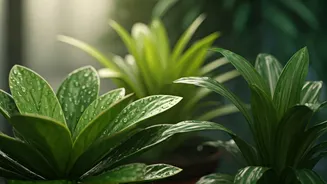
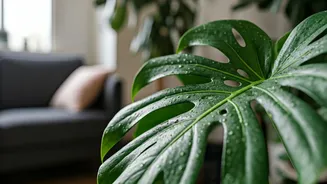
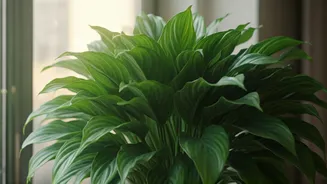
Weeks of overcast skies mean significantly less sunlight for your plants, which is their primary food source. [2] This can slow down photosynthesis and lead to weak, leggy growth. [1, 18] To compensate, move your plants closer to windows where they can catch as much ambient light as possible. [2, 6] It's also a good idea to rotate your plants every few days so all sides get some light exposure. [6] Another simple but effective trick is to gently wipe the leaves with a damp cloth. [2, 15] Dust and grime can accumulate on leaves, blocking the already limited sunlight they need to absorb. [2] Clean leaves are more efficient at photosynthesis, helping your plant stay healthier during gloomy weather.
Improve Air Circulation
Stagnant, humid air is a breeding ground for fungal diseases like powdery mildew and mold. [7, 12] While many tropical plants enjoy humidity, the combination of high humidity with low light and poor airflow is a recipe for trouble. [7] Improving air circulation helps keep the foliage dry and reduces the risk of these issues. [8, 11] If possible, open windows for a while on less rainy days to let fresh air in. You can also create space between your plants to prevent humid pockets from forming. [11] A small, gently oscillating fan in the room for a few hours a day can also work wonders to keep the air moving, promoting sturdier growth and preventing fungal spores from settling. [8, 12]
Be on Pest Patrol
The damp, cool conditions of the monsoon are ideal for many common houseplant pests, including fungus gnats, mealybugs, and slugs. [4, 16, 19] Fungus gnats, in particular, thrive in overly moist soil, where they lay their eggs. [6] Regularly inspect your plants for any signs of infestation, paying close attention to the undersides of leaves and the surface of the soil. [11, 15] If you spot pests, isolate the affected plant immediately to prevent them from spreading. [15] For many common pests, organic solutions like a neem oil spray can be an effective preventative measure. [5, 11] Allowing the top inch of soil to dry out between waterings will also make the environment less hospitable for fungus gnats. [6]
Prune and Hold the Fertiliser
Regular grooming is especially important during the rainy season. Trim any yellowing or dead leaves, spent flowers, and damaged stems. [3, 15] This not only keeps the plant looking tidy but also improves air circulation and removes potential sites for rot and disease to take hold in the damp environment. [3, 11] Also, this is not the time for heavy feeding. Most indoor plants go into a period of slower growth during the low-light months of monsoon and don't require extra nutrients. [2] Fertilising a plant that isn't actively growing can lead to a build-up of salts in the soil, which can burn the roots. [18] It's best to pause your fertilising routine and resume when the skies clear and growth picks up again.