





A Celebration of Paws and People
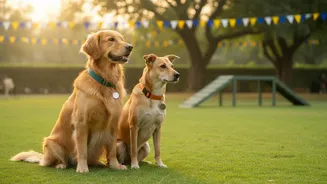
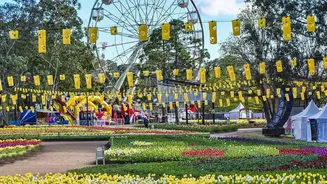
Over the weekend, Jaipur saw a massive turnout for its 'Mega Pet Carnival', an event organized in conjunction with the Jaipur Municipal Corporation (JMC). The carnival was designed as a one-stop hub for the city's burgeoning community of pet parents.
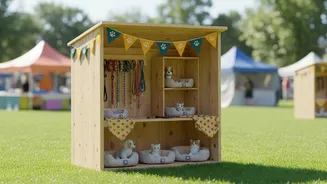
Its primary official purpose was to facilitate on-the-spot registrations, provide free anti-rabies vaccinations, and offer veterinary health check-ups, all ahead of a September 30 deadline for mandatory pet registration in the city. For hundreds of attendees, it was a joyous occasion—a chance to socialize, meet other pet lovers, and celebrate the unique bond they share with their animals. The atmosphere was festive, filled with attractions designed to delight both pets and their humans, from adoption drives to a wide array of pet products.
The Unseen Stress of the Spectacle
However, the very elements that made the carnival entertaining for people have drawn criticism from animal welfare advocates. Concerns have been raised about specific activities that, according to experts, can be highly stressful for animals. Loud music, large and unpredictable crowds, and the general chaos of a festival environment can trigger a fight-or-flight response in dogs and cats. Animal welfare organizations have long warned against treating pets as accessories for entertainment. Activities common at such events, like pet fashion shows or talent competitions, are often cited as problematic. Experts argue that costumes can restrict an animal's movement and ability to communicate through body language, leading to anxiety and potential misunderstandings with other animals.
Entertainment vs. Welfare: The Core Debate
The central point of contention is where to draw the line between a community celebration and an exploitative spectacle. Critics argue that when the primary goal becomes human entertainment, the animal's comfort is often compromised. An overwhelmed or frightened animal may exhibit signs of stress like excessive panting, shaking, or even aggression born of fear. Furthermore, the sensory overload from loud sounds can be particularly damaging, as dogs have far more sensitive hearing than humans. Proponents of such events, including many pet owners and organizers, often counter that participation is voluntary and that many pets are well-socialized and enjoy the stimulation. They highlight the presence of veterinary staff and provisions like water stations as proof that welfare is considered. Yet, the question remains: are these events structured for the animal's benefit or for the owner's amusement?
India's Evolving Pet Culture
The debate in Jaipur is reflective of a larger trend across urban India. As pet ownership moves from a niche practice to a mainstream cultural phenomenon, the understanding of a pet's role is also changing. Many new pet parents, particularly those who brought home companions during the pandemic, are navigating the complexities of responsible ownership. This includes learning to read their pet's body language and prioritizing their well-being over social media photo opportunities. The scrutiny applied to Jaipur's carnival is part of a growing national conversation about animal rights and welfare, moving beyond basic needs like food and shelter to consider their psychological and emotional health. This mirrors broader legal and social shifts seen in issues like the Jallikattu ban and protests against cruelty during festivals.